
Celebrating 25 years of DDD's Excellence and Social Impact.

Author name: DDD

Avatar of DDD
Multisensordatalabeling

Challenges of Synchronizing and Labeling Multi-Sensor Data

DDD Solutions Engineering Team

25 Aug, 2025

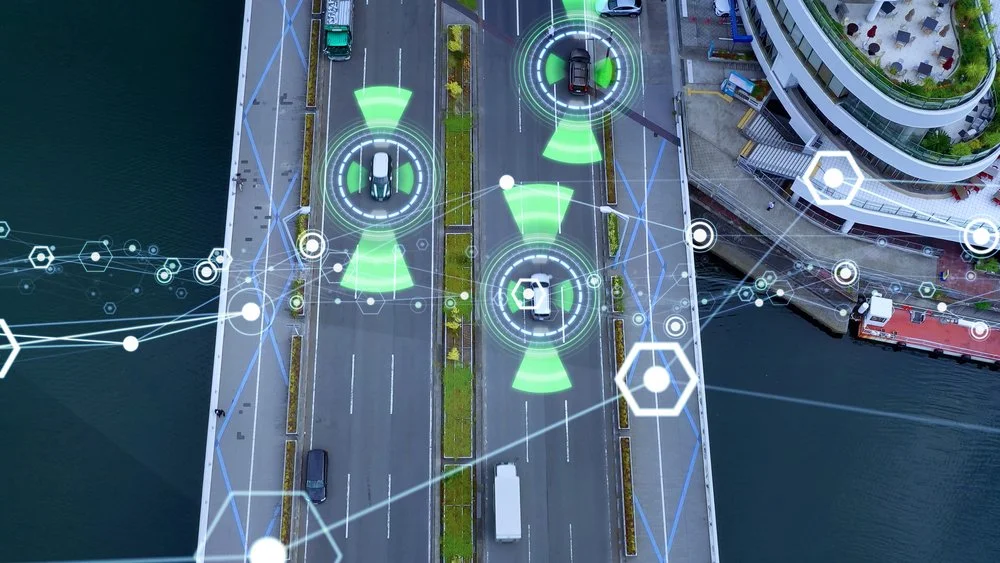
By combining data from cameras, LiDAR, radar, GPS, and inertial sensors, Multi-sensor systems provide a more complete and reliable picture of the world than any single sensor can achieve. They are central to the functioning of autonomous vehicles, humanoids, and defense tech, and smart infrastructure, where safety and accuracy depend on capturing complex, real-world environments from multiple perspectives.

The power of sensor fusion lies in its ability to build redundancy and resilience into perception. If a camera struggles in low light, LiDAR can provide depth information. If LiDAR fails to capture fine details, radar can deliver robust detection under poor weather conditions. Together, these technologies make decision-making systems more trustworthy and less prone to single points of failure.

However, the benefits of multi-sensor fusion are only realized if the data from different sensors can be synchronized and labeled correctly. Aligning multiple data streams in both time and space, and then ensuring that annotations remain consistent across modalities, has become one of the most difficult and resource-intensive challenges in deploying real-world AI systems.

This blog explores the critical challenges that organizations face in synchronizing and labeling multi-sensor data, and why solving them is essential for the future of autonomous and intelligent systems.

Why Synchronization in Multi-Sensor Data Matters

At the heart of multi-sensor perception lies the challenge of aligning data streams that operate at different speeds. Cameras often capture 30 frames per second, LiDAR systems may generate scans at 10 hertz, while inertial sensors produce hundreds of measurements each second. If these data streams are not carefully aligned, the system may attempt to interpret events that never occurred in the same moment, leading to a distorted view of reality.

Each sensor has its own internal clock, and even small timing differences accumulate into significant errors over time. Transmission delays from hardware, networking, or processing pipelines add further uncertainty. A system that assumes perfect synchronization risks misjudging the position of an object by several meters simply because the data was captured at slightly different moments.

These misalignments have real-world consequences. A pedestrian detected by a camera but not yet seen by LiDAR may cause an autonomous vehicle to hesitate or make an unsafe maneuver. A drone navigating in windy conditions may miscalculate its trajectory if inertial and GPS signals are out of sync. In safety-critical systems, even millisecond errors can cascade into poor perception, faulty tracking, or incorrect predictions.

Synchronization is therefore not just a technical detail, but a foundation for trust. Without reliable alignment, sensor fusion cannot function as intended, and the entire perception pipeline becomes vulnerable to inaccuracies.

Spatial Alignment and Calibration in Multi-Sensor Data

Synchronizing sensors in time is only one part of the challenge. Equally important is ensuring that data from different devices aligns correctly in space. Each sensor operates in its own coordinate system, and without careful calibration, their outputs cannot be meaningfully combined.

Two kinds of calibration are essential. Intrinsic calibration deals with the internal properties of a sensor, such as correcting lens distortion in a camera or compensating for systematic measurement errors in a LiDAR. Extrinsic calibration focuses on the spatial relationship between sensors, defining how a camera’s view relates to the three-dimensional space captured by LiDAR or radar. Both must be accurate for multi-sensor fusion to function reliably.

The complexity grows when multiple modalities are involved. A camera provides a two-dimensional projection of the world, while LiDAR produces a sparse set of three-dimensional points. Radar adds another dimension by measuring velocity and distance with lower resolution. Mapping these diverse representations into a unified spatial frame is computationally demanding and highly sensitive to calibration errors.

In real-world deployments, calibration does not remain fixed. Vibrations from driving, temperature fluctuations, or even minor impacts can shift sensors slightly out of alignment. These small deviations may not be noticeable at first but can lead to substantial errors over time. Maintaining accurate calibration requires not only precise setup during installation but also periodic recalibration or the use of automated self-calibration techniques in the field.

Spatial alignment and calibration are therefore continuous challenges. Without them, synchronized data streams still fail to align, undermining the very foundation of multi-sensor perception.

Data Volume and Infrastructure Burden

Beyond synchronization and calibration, one of the most pressing challenges in multi-sensor systems is the sheer scale of data they generate. A single high-resolution camera can produce gigabytes of video in just a few minutes. Add multiple cameras, LiDAR scans containing hundreds of thousands of points, radar sweeps, GPS streams, and IMU data, and the result is terabytes of information being produced every day by a single platform.

This volume creates immediate infrastructure strain. Streaming large amounts of data in real time requires high-bandwidth networks, which may not always be available in the field. Storage quickly becomes a bottleneck as fleets or robotic systems scale up, forcing organizations to invest in specialized hardware and compression strategies to keep data manageable. Even after data is collected, replaying and analyzing synchronized streams can overwhelm conventional computing resources.

While handling the output of a single prototype system may be feasible, expanding to dozens or hundreds of units multiplies both the data volume and the engineering effort required to process it. Fleets of autonomous vehicles or large-scale robotic deployments demand infrastructure capable of handling synchronized multi-sensor data at an industrial scale.

Without a robust infrastructure for managing this data, synchronization and labeling efforts can stall before they begin. Effective solutions require not only technical methods for aligning and annotating data, but also scalable systems for moving, storing, and processing the information in the first place.

Labeling Across Modalities for Multi-Sensor

Once data streams are synchronized and calibrated, the next challenge is creating consistent labels across different sensor modalities. This task is far more complex than labeling a single dataset from one sensor type. A bounding box drawn around a vehicle in a two-dimensional camera image must accurately correspond to the same vehicle represented in a LiDAR point cloud or detected by radar. Any misalignment results in inconsistencies that weaken the training data and undermine model performance.

The inherent differences between modalities add to the difficulty. Cameras capture dense, detailed images of every pixel in a scene, while LiDAR provides a sparse but geometrically precise map of points. Radar contributes distance and velocity information, but with far less spatial resolution. Translating annotations across these diverse data types requires specialized tools and workflows to ensure that one object is labeled correctly everywhere it appears.

Human annotators face a significant cognitive load in this process. Interpreting and labeling fused data demands constant switching between modalities, perspectives, and representations. Unlike labeling a single image, multi-sensor annotation requires reasoning about depth, perspective, and cross-modality consistency simultaneously. Over time, this complexity can lead to fatigue, higher error rates, and inconsistencies across the dataset.

Accurate cross-modal labeling is essential for developing reliable perception systems. Without it, even perfectly synchronized and calibrated data cannot fulfill its potential, as the downstream models will struggle to learn meaningful representations of the real world.

Noise, Dropouts, and Edge Cases

Even when sensors are carefully synchronized and calibrated, their outputs are never perfectly clean. Each modality carries its own vulnerabilities. Cameras are affected by changes in lighting, glare, and shadows. LiDAR struggles with highly reflective or absorptive surfaces, producing gaps or spurious points. Radar can be confused by multipath reflections or interference in complex environments. These imperfections introduce uncertainty that complicates both synchronization and labeling.

Temporary sensor failures, or dropouts, create additional challenges. In real-world deployments, a camera may briefly lose exposure control, a LiDAR might skip a frame, or a radar might fail to return usable signals. When one sensor drops out, the task of aligning and labeling across modalities becomes inconsistent, and downstream models must compensate for incomplete inputs. Reconstructing reliable data streams under these conditions is difficult and often requires fallback strategies.

Edge cases amplify these issues. Rare scenarios such as unusual weather conditions, fast-moving objects, or crowded environments test the limits of both the sensors and the synchronization pipelines. These cases often expose weaknesses that remain hidden in controlled testing, yet they are precisely the scenarios that autonomous and robotic systems must handle reliably.

Addressing noise, dropouts, and edge cases is therefore not optional but central to building trust in multi-sensor systems. Without robust strategies to manage imperfections, synchronized and labeled data will fail to represent the realities of deployment environments.

Generating Reliable Ground Truth

Reliable ground truth is the benchmark against which perception systems are trained and evaluated. In the context of multi-sensor data, producing this ground truth is particularly demanding because it requires consistency across time, space, and modalities. Unlike single-sensor datasets, where annotations can be applied directly to a single stream, multi-sensor setups demand multi-stage pipelines that ensure alignment between different forms of representation.

Creating such pipelines involves carefully cross-checking annotations across modalities. A pedestrian labeled in a camera image must be accurately linked to the corresponding points in LiDAR and any detections from radar. These checks are not simply clerical but essential to prevent systematic labeling errors from cascading through entire datasets. Each stage adds cost, complexity, and the need for rigorous quality assurance.

Dynamic scenes make this process even more complex. Fast-moving objects, occlusions, and overlapping trajectories can cause labels to become inconsistent across frames and modalities. Ensuring temporal continuity while maintaining spatial precision requires sophisticated workflows that combine automated assistance with human oversight.

Uncertainty is another factor that cannot be ignored. Some scenarios do not allow for precise labeling, such as partially visible objects or sensor measurements degraded by noise. Forcing deterministic labels in such cases risks introducing artificial precision that misleads the model. Representing uncertainty, whether through probabilistic annotations or confidence scores, provides a more realistic foundation for training and evaluation.

Reliable ground truth is therefore not just a product of annotation but a process of validation, consistency checking, and uncertainty management. Without this level of rigor, synchronized and calibrated multi-sensor data cannot be fully trusted to support safe and scalable AI systems.

Tooling and Standardization Challenges of Multi Sensor Data

Even with synchronization, calibration, and careful labeling in place, the practical work of managing multi-sensor data is often slowed by limitations in tooling and a lack of standardization. Most annotation and processing tools were designed for single modalities, such as 2D image labeling or 3D point cloud analysis, and are not well-suited to handling both simultaneously. This forces teams to work with fragmented toolchains, exporting data from one platform and re-importing it into another, which increases complexity and the risk of errors.

The absence of widely accepted standards compounds this issue. Different organizations and industries frequently adopt proprietary data formats, labeling schemas, and metadata conventions. As a result, datasets cannot be easily shared or reused across projects, and tooling built for one environment often cannot be applied in another without significant adaptation. This lack of interoperability slows research, inflates costs, and reduces opportunities for collaboration.

Operational scaling brings another layer of difficulty. Managing multi-sensor synchronization and labeling across a small pilot project is one challenge, but doing so across hundreds of vehicles, drones, or industrial robots requires infrastructure that is both robust and flexible. Automated validation pipelines, scalable data storage, and consistent quality control processes must be in place to handle the growth, yet many existing toolsets are not designed to support such scale.

Without better tools and stronger standards, the gap between research prototypes and deployable systems will remain wide. Closing this gap is essential to make multi-sensor synchronization and labeling both efficient and repeatable in real-world applications.

Read more: How Data Labeling and Real‑World Testing Build Autonomous Vehicle Intelligence

Emerging Solutions for Multi Sensor Data

Despite the challenges, promising solutions are beginning to reshape how organizations approach multi-sensor synchronization and labeling.

Using automation and self-supervised methods

Algorithms can now align data streams by detecting common features across modalities, reducing reliance on manual calibration and lowering the risk of drift in long-term deployments. These approaches are particularly valuable for large-scale systems where manual recalibration is impractical.

Integrated annotation environments

Instead of forcing annotators to switch between 2D image tools and 3D point cloud platforms, object-centric systems allow a single label to propagate across modalities automatically. This not only improves consistency but also reduces cognitive load, making large annotation projects more efficient and less error-prone.

Synthetic and simulation-based data

Digital twins enable testing of synchronization and labeling workflows under controlled conditions, where variables such as sensor noise, lighting, and weather can be manipulated without risk. While synthetic data cannot fully replace real-world examples, it plays an important role in filling gaps and stress-testing systems before deployment.

Finally, there is momentum toward standardization. Industry and research communities are working to define common data formats, labeling conventions, and interoperability protocols. Such efforts are essential to break down silos, enable collaboration, and accelerate progress across sectors.

Looking forward, these innovations point to a future where synchronization and labeling become less of a bottleneck and more of a streamlined, repeatable process. As methods mature, multi-sensor AI systems will gain the reliability and scalability needed to support autonomy, robotics, and other mission-critical applications at scale.

How We Can Help

Digital Divide Data (DDD) supports organizations in overcoming the practical hurdles of synchronizing and labeling multi-sensor data. Our expertise lies in managing the complexity of multi-modal annotation at scale, ensuring that datasets are both consistent and production-ready.

Our teams are trained to handle cross-modality challenges, linking objects seamlessly across camera images, LiDAR point clouds, and radar data. By combining skilled human annotators with workflow automation and quality control systems, DDD reduces errors and accelerates turnaround times. This approach allows clients to focus on advancing their models rather than struggling with fragmented or inconsistent datasets.

Conclusion

Synchronizing and labeling multi-sensor data is one of the most critical challenges in building trustworthy perception systems. The technical hurdles span temporal alignment, spatial calibration, data volume management, cross-modal labeling, and resilience against noise and dropouts. Each layer introduces complexity, yet each is essential for ensuring that downstream models receive accurate, consistent, and reliable information.

Success in this space requires balancing technical innovation with operational discipline. Advances in automation, integrated annotation platforms, and synthetic data are helping to reduce manual effort and error rates. At the same time, organizations must adopt rigorous pipelines, scalable infrastructure, and clear quality standards to handle the realities of deployment at scale.

As these solutions mature, the industry is steadily moving away from treating synchronization and labeling as fragile bottlenecks. Instead, they are becoming core enablers of multi-sensor AI systems that can be trusted to operate in safety-critical domains such as autonomous vehicles, robotics, and defense. With robust foundations in place, multi-sensor perception will shift from a research challenge to a reliable backbone for intelligent systems in the real world.

Partner with Digital Divide Data to build the reliable data foundation your autonomous, robotic, and defense applications need.


References

Brödermann, T., Bruggemann, D., Sakaridis, C., Ta, K., Liagouris, O., Corkill, J., & Van Gool, L. (2024). MUSES: The multi-sensor semantic perception dataset for driving under uncertainty. In European Conference on Computer Vision (ECCV 2024). Springer. https://muses.vision.ee.ethz.ch/pub_files/muses/MUSES.pdf

Basawapatna, G., White, J., & Van Hooser, P. (2024, September). Wireless precision time synchronization alternatives and performance. Riverside Research Institute. Proceedings of the ION GNSS+ Conference. Retrieved from https://www.riversideresearch.org/uploads/Academic-Paper/ION_2024_RRI.pdf

Wiesmann, L., Labe, T., Nunes, L., Behley, J., & Stachniss, C. (2024). Joint intrinsic and extrinsic calibration of perception systems utilizing a calibration environment. IEEE Robotics and Automation Letters, 9(4), 3102–3109. https://www.ipb.uni-bonn.de/wp-content/papercite-data/pdf/wiesmann2024ral.pdf


FAQs

How do organizations typically validate synchronization quality in multi-sensor systems?
Validation often involves using calibration targets, reference environments, or benchmarking against high-precision ground truth systems. Some organizations also employ automated scripts that check for time or spatial inconsistencies across modalities.

What role does edge computing play in managing multi-sensor data?
Edge computing enables preprocessing and synchronization closer to where data is collected. This reduces bandwidth requirements, lowers latency, and ensures that only refined or partially fused data is transmitted to central systems for further analysis.

Are there cost considerations unique to multi-sensor labeling projects?
Yes. Multi-sensor labeling is more resource-intensive than single-modality annotation due to the added complexity of ensuring cross-modal consistency. Costs are influenced by the number of modalities, annotation complexity, and the need for specialized tooling.

Can machine learning models assist in reducing human effort for cross-modal labeling?
They can. Automated pre-labeling and self-supervised methods can generate initial annotations that are then refined by human annotators. This hybrid approach reduces time and improves efficiency, although quality control remains essential.

What industries outside of autonomous driving benefit most from multi-sensor synchronization and labeling?
Defense systems, industrial robotics, logistics, smart infrastructure, and even healthcare imaging applications benefit from synchronized and consistently labeled multi-sensor data, as they all rely on robust perception under varied conditions.

How often should multi-sensor systems be recalibrated in real-world deployments?
The frequency depends on the environment and use case. Mobile platforms exposed to vibration or temperature changes may require frequent recalibration, while static installations can operate with less frequent adjustments. Automated recalibration methods are increasingly being used to reduce downtime.

Challenges of Synchronizing and Labeling Multi-Sensor Data Read Post »

Active2BLearning2Bin2BAutonomous2BVehicles

Active Learning in Autonomous Vehicle Pipelines

DDD Solutions Engineering Team

22 Aug, 2025

Autonomous vehicle development is fundamentally a data-driven challenge. Every mile driven produces vast amounts of raw information from cameras, LiDAR, radar, and other sensors. To transform that raw information into safe decision-making, models need to be trained and validated on massive, diverse, and high-quality datasets. The difficulty lies not in capturing the data but in making it usable. Annotating large volumes of sensor data is both expensive and time-consuming, creating a bottleneck that slows progress across the industry.

The real challenge lies in identifying the small fraction of data that truly improves model robustness, particularly when dealing with rare and unpredictable driving scenarios. Without a mechanism to filter and prioritize, development pipelines risk being overwhelmed by the scale of labeling required. Active Learning provides a practical solution to this problem by systematically identifying the most valuable data for annotation, allowing teams to focus their resources on what matters most. Instead of labeling every mile of footage, engineers can target uncertain predictions, diverse scenarios, and safety-critical edge cases. The result is a pipeline that learns faster, costs less to maintain, and adapts more effectively to new environments.

In this blog, we will explore how Active Learning can transform autonomous vehicle development pipelines, from addressing the challenges of massive, complex datasets to strategically selecting the most valuable samples for annotation.

The Role of Data in Autonomous Vehicle Development

Autonomous vehicles must be able to handle an extraordinary range of driving conditions, from crowded city intersections to rural roads with minimal signage. This challenge is often described as the “long-tail problem.” While most driving scenarios are routine and well-represented in datasets, safety is most often compromised in rare, unpredictable, and edge-case events. These long-tail scenarios might involve an unusual pedestrian movement, a vehicle behaving unexpectedly, or adverse weather conditions that alter sensor performance. Capturing and learning from these rare cases is critical, yet they represent only a small fraction of the total data collected.

Compounding this challenge is the complexity of annotating perception data. Unlike simpler computer vision tasks, AV datasets involve multi-modal inputs such as LiDAR point clouds, high-resolution video, radar signals, and inertial measurements. Each frame requires precise annotations across multiple sensor modalities, often including 3D bounding boxes, lane markings, and semantic segmentation. Producing this level of annotation is resource-intensive, requiring skilled human input, quality control mechanisms, and significant time investment.

Inefficient data loops further slow down the deployment process. Fleets generate petabytes of raw data daily, but without intelligent selection, much of it is stored, filtered minimally, and eventually discarded or left unused due to annotation constraints. This leads to wasted resources and delays in model improvement. As a result, the ability to identify, prioritize, and annotate the most impactful data becomes a strategic differentiator for organizations working to advance autonomous vehicle technology.

What Active Learning Brings to Autonomous Vehicle Pipelines

Active Learning offers a structured way to address the inefficiencies of traditional data workflows. At its core, the approach is about prioritization: instead of labeling everything, the system identifies which pieces of data will provide the greatest benefit to model training. This means that the annotation effort is concentrated on the most informative samples rather than being spread thin across massive amounts of redundant footage.

In the context of autonomous driving, Active Learning is best understood as part of a closed-loop process. Data is continuously captured from fleets on the road, then filtered through algorithms that determine which segments hold the highest value for training. These selected samples are sent for annotation, after which they are used to retrain the model. The updated model is evaluated against validation benchmarks, redeployed into the fleet, and the cycle begins again. Each iteration sharpens the system’s ability to recognize and handle complex scenarios.

By focusing on uncertain predictions, rare conditions, or scenarios with high safety implications, models improve more quickly and require fewer annotated samples. This not only reduces labeling costs but also accelerates the pace of deployment. In effect, Active Learning transforms an overwhelming stream of raw fleet data into a carefully curated pipeline that continually drives measurable improvements in performance and safety.

Key Approaches for Data Selection in AV Pipelines

Building an effective Active Learning strategy requires clarity on how to identify the most valuable data. Different approaches to data selection target different weaknesses in the model, and combining them often produces the strongest results.

One of the most widely used methods is uncertainty-based selection. Here, the system prioritizes data where the model shows low confidence in its predictions. These cases are often the most informative because they expose gaps in the model’s current understanding. By labeling and retraining on such samples, developers can close those gaps more efficiently.

Diversity-based selection ensures that the training set captures the full range of operating conditions. Autonomous vehicles encounter variability in geography, traffic density, road structures, lighting, and weather. Curating data that reflects this variety helps the model generalize better across regions and conditions. Without diversity, systems may perform well in one environment but fail in another.

Another critical approach is scenario-driven or scenario-critical selection. Instead of treating all samples equally, the pipeline highlights situations that directly affect planning and decision-making. These might include complex merges, unusual pedestrian movements, or interactions at poorly marked intersections. Labeling these examples can disproportionately strengthen safety-critical behaviors.

Finally, consistency checks can identify valuable training data by flagging disagreements between different models, sensor modalities, or even between model iterations. If LiDAR and camera streams produce conflicting results, or if a new model version disagrees sharply with its predecessor, these inconsistencies signal data worth reviewing and annotating.

Together, these approaches provide a comprehensive toolkit for selecting the right data at the right time, ensuring that the Active Learning pipeline delivers meaningful and sustained improvements.

When to Use Active Learning in Autonomous Vehicle Pipelines

Not a one-size-fits-all solution. Its impact depends on where an organization is in the development cycle and the specific challenges it faces. Knowing when to apply Active Learning makes the difference between incremental efficiency and transformative gains.

In the early stages of model development, it can help accelerate progress with fewer annotated samples. Instead of spending heavily to label vast amounts of basic driving data, teams can focus on the segments where the model struggles most, creating a strong foundation without overwhelming costs.

As fleets scale, data volume becomes both an asset and a liability. Vehicles on the road generate terabytes of data daily, far more than can realistically be annotated. Active Learning provides a way to manage these inflows by filtering out redundancy and prioritizing only what will drive model performance forward. This makes it possible to expand data pipelines without exploding labeling budgets.

Long-tail scenario discovery is another critical use case. Rare events, such as a pedestrian crossing against traffic or a vehicle making an unusual maneuver, have outsized importance for safety. Active Learning helps surface these edge cases more effectively than random selection, ensuring that models are trained on the situations that matter most.

Domain adaptation is equally important as companies expand to new geographies or operating conditions. A model trained in sunny, dry climates may falter in snowy or rainy environments. Active Learning helps identify the most relevant new data for these conditions, making adaptation faster and more cost-effective.

Finally, Active Learning supports continuous improvement after deployment. As vehicles encounter real-world conditions, feedback loops allow the system to highlight challenging or misclassified data for retraining. This ensures that models do not stagnate but instead evolve alongside the complexity of real-world driving.

Practical Pipeline Design Considerations

Integrating Active Learning into an autonomous vehicle pipeline requires more than just choosing a data selection strategy. The pipeline itself must be designed to handle scale, maintain quality, and ensure that insights translate into measurable performance improvements.

Integration with Data Engines

Fleets collect enormous amounts of multi-modal data, but without a system to ingest, filter, and process it efficiently, Active Learning cannot deliver its full value. Data engines must be capable of identifying potential high-value samples in near real time, tagging them, and routing them to annotation teams without bottlenecks.

Balancing Automation and Human-in-the-Loop Review 

Algorithms can identify uncertain or diverse samples, but human expertise is still required to validate complex or ambiguous cases. This balance ensures that the model learns from high-quality labels, while also keeping the annotation effort manageable.

Evaluation Loops

Active Learning is not only about training but also about improving validation coverage. By deliberately selecting scenarios that stress-test the system, teams can build validation sets that more accurately reflect real-world performance and safety requirements.

Scaling Challenges

Fleet-scale Active Learning requires robust infrastructure, from cloud storage and distributed processing pipelines to annotation management platforms that can coordinate thousands of tasks simultaneously. Without this backbone, even the best-designed Active Learning strategies risk breaking down under the weight of the data.

How We Can Help

Implementing Active Learning in autonomous vehicle pipelines requires both technical expertise and scalable operational support. While algorithms can identify the right data to prioritize, turning that data into high-quality training material still depends on precise annotation, rigorous workflows, and human judgment. This is where Digital Divide Data (DDD) provides a unique advantage.

DDD brings extensive experience in large-scale data annotation, including the complex labeling tasks that autonomous vehicle systems demand. Whether it involves 3D bounding boxes for LiDAR, semantic segmentation for camera feeds, or multi-sensor alignment, our team is equipped to deliver accurate annotations at scale. This expertise ensures that Active Learning pipelines are not just efficient in data selection but also effective in converting that data into reliable training inputs.

Conclusion

The path to safe and scalable autonomous vehicles is shaped not just by how much data is collected but by how effectively that data is used. Relying on sheer volume of labeled samples is neither sustainable nor efficient, especially when fleets generate more information than can ever realistically be annotated. What matters most is the ability to identify and prioritize the data that will deliver the greatest impact on model performance and safety.

Active Learning provides a disciplined way to achieve this. By targeting uncertain predictions, diverse conditions, and safety-critical scenarios, it ensures that annotation budgets are invested where they count the most. Integrated into closed-loop development pipelines, Active Learning accelerates iteration cycles, reduces costs, and strengthens the ability of AV systems to handle the long tail of real-world driving.

For companies working at the forefront of autonomous mobility, the question is no longer whether to collect more data, but how to make data work smarter. Active Learning transforms the avalanche of fleet data into a strategic asset that directly advances performance, safety, and readiness for deployment.

Partner with us to build smarter AV data pipelines powered by Active Learning and world-class annotation teams.


References

Yu, Y., Chung, C., George, P., Mao, T., & Xiao, Y. (2024, April 10). Build an active learning pipeline for automatic annotation of images with AWS services. AWS Machine Learning Blog. https://aws.amazon.com/blogs/machine-learning/build-an-active-learning-pipeline-for-automatic-annotation-of-images-with-aws-services/

Huber, A., Heineke, K., Kellner, M., & Möller, T. (2025, June 23). Autonomous vehicles: The future of European transport? https://www.mckinsey.com/industries/automotive-and-assembly/our-insights/autonomous-vehicles-the-future-of-european-transport


FAQs

How is Active Learning different from traditional data filtering methods?
Traditional filtering often relies on simple heuristics such as removing low-quality data or sampling evenly across conditions. Active Learning, by contrast, uses model-driven signals like uncertainty, diversity, or inconsistency to identify which samples will add the most value for training.

Can Active Learning reduce the overall cost of AV development?
Yes. By focusing on the most informative data points, it minimizes the amount of annotation required while still driving strong improvements in performance. This reduces labeling costs significantly and shortens development timelines.

Is Active Learning only relevant for perception models?
No. While commonly applied to perception tasks such as object detection and scene segmentation, Active Learning can also enhance planning and prediction modules by surfacing scenarios that directly influence vehicle decision-making.

How does Active Learning handle new environments where little data is available?
In domain adaptation scenarios, Active Learning is especially useful. It highlights data from the new environment that is most different or most uncertain relative to the existing model, allowing faster adaptation with fewer labeled samples.

What are the risks of relying too heavily on Active Learning?
If not carefully designed, Active Learning strategies can introduce bias by repeatedly focusing on certain scenario types while neglecting others. Pipelines must combine multiple selection strategies and maintain strong evaluation loops to avoid overfitting to narrow subsets of data.

Active Learning in Autonomous Vehicle Pipelines Read Post »

Multimodaldatadefense

Why Multimodal Data is Critical for Defense-Tech

Sutirtha Bose

Co-Umang Dayal

21 Aug, 2025

What makes defense tech particularly challenging is the sheer diversity and velocity of the data involved. Military environments generate vast amounts of information across multiple domains: satellite imagery, radar signals, communications intercepts, written intelligence reports, sensor telemetry, and geospatial data, often all arriving simultaneously. No single data stream can provide a complete picture of the battlefield or the strategic landscape. To extract actionable insights from this flood of information, defense-grade AI models must be capable of working across these diverse modalities.

This raises a central question: how can AI systems designed for defense move beyond single-source analysis and deliver the integrated understanding required in complex, high-stakes missions? The answer lies in multimodal AI. By fusing multiple forms of data into a cohesive analytical framework, multimodal AI enables more reliable situational awareness, stronger resilience against disruption, and faster, more confident decision-making.

This blog explores why multimodal data is crucial for defense tech AI models and how it is shaping the future of mission readiness.

Understanding Multimodal Data in Defense Tech

Multimodal data refers to the integration of information captured in different formats and through different collection methods. In defense, this can include optical satellite imagery, synthetic aperture radar, intercepted communications, geospatial data, acoustic signals, structured databases, and unstructured intelligence reports. Each of these modalities carries unique strengths and limitations. Optical imagery can capture visual details but is limited by weather conditions. Radar provides consistent coverage in poor visibility but lacks fine-grained resolution. Textual intelligence reports can capture human insights but are often unstructured and difficult to standardize.

When combined, these modalities create a more complete and resilient representation of the operational environment. For example, a single source of imagery may show the movement of vehicles, but only when fused with radio-frequency intercepts and ground sensor readings does the data reveal intent, scale, and potential vulnerabilities. This ability to bring together complementary perspectives is at the core of multimodal AI.

Unimodal systems, which rely on only one type of input, often struggle to perform in dynamic defense scenarios. They are susceptible to blind spots, degraded performance when data is incomplete, and vulnerability when adversaries exploit known weaknesses in a particular modality. In contrast, multimodal AI models are designed to learn from diverse input streams, cross-validate insights, and adapt to the inherently complex nature of the battlefield. Defense operations are, by definition, multimodal environments. Building AI systems that can mirror this reality is essential to achieving reliable performance in real-world missions.

Why Multimodality is Critical for Defense-Grade AI

Enhancing Situational Awareness

Defense operations rely on the ability to build an accurate picture of rapidly changing environments. Multimodal AI strengthens situational awareness by combining inputs such as satellite imagery, drone video feeds, radar signatures, intercepted communications, and field reports. Each modality contributes a different perspective: imagery captures visible activity, radar provides coverage in poor weather or at night, and textual intelligence adds context. By fusing these together, multimodal AI enables analysts and commanders to see not only what is happening but also why it might be happening. Subtle patterns, such as correlating unusual radar activity with intercepted communications, are far more likely to be identified in a multimodal framework than in unimodal analysis.

Resilience and Redundancy

Modern defense systems face constant disruption, whether from adversarial jamming, signal interference, or deliberate deception. Multimodality adds layers of resilience by providing redundancy across data types. If one modality becomes unreliable, such as when GPS is denied, the AI system can fall back on alternative sources like radar or communications data. This reduces the risk of critical blind spots. At the same time, cross-referencing signals across modalities helps to filter out deception and detect inconsistencies that might otherwise mislead operators. Robustness in contested environments is one of the strongest arguments for adopting multimodal AI in defense.

Faster and More Confident Decision-Making

High-stakes military operations often unfold at a pace where hesitation can have severe consequences. Multimodal AI accelerates decision-making by reducing ambiguity. When multiple modalities confirm a single assessment, confidence increases, and commanders can act more decisively. Instead of relying on fragmented information, decision-makers receive synthesized outputs that integrate the best evidence from every available source. This not only speeds up reaction times but also reduces the risk of misinterpretation that can result from incomplete or isolated data streams.

Human–Machine Teaming

Defense AI is most effective when it enhances human decision-making rather than replacing it. Multimodal AI plays a crucial role in building trust between humans and machines. By combining visual outputs with textual or audio explanations, these systems provide context in ways that humans can understand and interrogate. For instance, a model may highlight movement detected in imagery and support the finding with communications analysis. This layered presentation of evidence allows analysts and commanders to engage with AI recommendations critically, strengthening adoption and ensuring that humans remain in control of final decisions.

Core Challenges in Building Multimodal Defense AI

Data Integration and Fusion

The first challenge is aligning data that varies widely in format, resolution, and reliability. A single intelligence workflow might need to reconcile high-resolution satellite images with coarse radar scans, unstructured field notes, and structured sensor logs. These inputs are collected on different timelines, in different formats, and under different conditions. Creating a unified representation that preserves the strengths of each modality while minimizing inconsistencies is a complex task. Without effective fusion, the benefits of multimodality are lost.

Scalability and Real-Time Processing

Defense operations often require decisions in seconds, not hours. Processing multimodal data at this pace is technically demanding. Transmitting large imagery files, real-time drone feeds, and streaming communications data to central systems can overwhelm bandwidth and increase latency. To be operationally relevant, multimodal AI must run efficiently at the tactical edge, close to where the data is generated. Building architectures that balance scale with speed is one of the most pressing technical barriers.

Security and Robustness

Multimodal systems expand the attack surface for adversaries. Each modality represents a potential vulnerability that can be exploited. For example, adversaries may attempt to feed false imagery, spoof radar signals, or inject misleading textual information. When these inputs are combined, the risk of cross-modal manipulation grows. Developing defenses against such threats requires not only securing individual data streams but also ensuring the fusion process itself is resilient to adversarial interference.

Governance and Trustworthiness

Beyond technical challenges, multimodal defense AI must be governed in ways that ensure responsible and lawful use. This means creating transparent models that can be audited, tested, and validated against ethical and operational standards. Governance frameworks are necessary to address questions of accountability, bias, and interoperability across allied forces. Without trust in how multimodal AI is built and deployed, adoption will remain limited, regardless of technical capability.

Key Applications Driving Defense Tech Innovation

Intelligence, Surveillance, and Reconnaissance (ISR)

ISR is one of the most data-intensive areas of defense, where multimodality provides immediate value. By combining imagery, radar, signals intelligence, and geospatial data, multimodal AI enables a far more accurate understanding of adversary movements and intentions. For example, drone imagery might detect vehicles in motion, while radio-frequency intercepts confirm whether they belong to a coordinated unit. The fusion of modalities allows analysts to move beyond detection toward prediction and contextual interpretation, which is critical for gaining and maintaininga decision advantage.

Battlefield Autonomy

Autonomous vehicles and drones deployed in contested environments require robust perception systems that can adapt to degraded or denied conditions. Vision sensors alone are not sufficient, as they can be obscured by poor weather, darkness, or intentional interference. By integrating radar, communications, and optical sensors, multimodal AI provides autonomous systems with the redundancy needed to navigate, identify threats, and execute missions with greater resilience. This fusion of modalities ensures that battlefield autonomy remains reliable even when one data stream becomes unavailable.

Decision Support and Command Systems

Commanders are inundated with information, and traditional dashboards often present fragmented data streams that must be pieced together manually. Multimodal AI enables next-generation decision support systems that integrate structured sensor inputs with unstructured intelligence reports, communications transcripts, and geospatial feeds. These systems present synthesized insights rather than raw data, allowing commanders to focus on making informed decisions rather than reconciling conflicting information. The result is a clearer operational picture delivered faster and with greater confidence.

Cyber-Physical Security

Military operations depend not only on physical assets but also on digital infrastructure. Cyber threats targeting command-and-control systems or logistics networks can have as much impact as physical attacks. Multimodal AI strengthens cyber-physical security by integrating telemetry from digital systems with physical sensor data. For example, anomalies in network traffic can be cross-validated with signals from physical surveillance or access control systems. This integrated approach ensures that threats are detected and addressed across both domains simultaneously.

Strategic Recommendations for Multimodal Data in Defense Tech

Invest in Robust Data Infrastructure

Multimodal AI can only be as strong as the data pipelines that support it. Defense organizations should prioritize investments in infrastructure that can ingest, store, and process large volumes of data from diverse sources. This includes standardized data formats, scalable storage solutions, and secure transmission pathways. Building these foundations ensures that multimodal pipelines can operate reliably across distributed environments and allied networks.

Prioritize Edge-Optimized Architectures

Centralized processing alone is insufficient for real-time defense operations. Multimodal AI must often run at the tactical edge, where conditions are unpredictable and connectivity may be limited. Designing edge-optimized architectures allows data to be processed closer to its source, reducing latency and ensuring mission-critical insights are available when and where they are needed. This shift is essential for enabling autonomous systems and time-sensitive decision-making in contested environments.

Embed Resilience Testing and Red-Teaming

Multimodal systems introduce new vulnerabilities that adversaries will attempt to exploit. To counter this, defense organizations should embed resilience testing into their development cycles. Red-teaming exercises that simulate cross-modal manipulation or deliberate data corruption are critical for exposing weaknesses. Continuous testing helps ensure that systems maintain performance even under adversarial pressure, strengthening trust in multimodal AI during operations.

Build Joint Governance Frameworks Across Allies

Defense missions are rarely executed in isolation. To maximize the potential of multimodal AI, allied nations need interoperable standards and governance frameworks. This includes agreements on data sharing, ethical use, model validation, and accountability. Joint governance ensures that multimodal AI systems can operate seamlessly in coalition environments, while also maintaining transparency and trust between partners. Establishing these frameworks early is essential to building scalable and responsible defense AI ecosystems.

Read more: Integrating AI with Geospatial Data for Autonomous Defense Systems: Trends, Applications, and Global Perspectives

How We Can Help

Building and deploying multimodal defense AI requires more than advanced algorithms. It depends on the availability of large, diverse, and trustworthy datasets, along with workflows that ensure quality, scalability, and resilience. This is where Digital Divide Data (DDD) can play a pivotal role. We deliver cutting-edge defense tech solutions that enable smarter, faster, and more adaptive defense operations. We support mission-critical outcomes with precision, scalability, and security by integrating data, automation, and US-based human-in-the-loop systems.

Read more: Guide to Data-Centric AI Development for Defense

Conclusion

Modern defense operations are shaped by environments that are complex, contested, and inherently multimodal. From satellite imagery to radar scans, from intercepted communications to cyber telemetry, no single stream of information can capture the full operational picture. Defense-grade AI models must therefore be capable of integrating diverse data sources into coherent and actionable insights.

Unimodal systems are increasingly inadequate in high-stakes missions where speed, resilience, and trust are essential. Multimodal AI, by contrast, strengthens situational awareness, ensures redundancy in the face of disruption, and supports faster and more confident decision-making. Just as importantly, it enables transparent and interpretable outputs that improve human–machine teaming, ensuring that humans remain in control while benefiting from machine-augmented insights.

The future of defense readiness will be defined by the ability to harness multimodal AI at scale. Nations and organizations that invest in the infrastructure, governance, and resilience of these systems will secure a lasting advantage. Multimodal data is not just a technical enhancement but a strategic necessity for defense AI.

Partner with Digital Divide Data to build defense-grade AI pipelines powered by trusted, multimodal data.

References

European Defence Agency. (2025). Trustworthiness for AI in Defence. EDA White Paper.

NATO. (2024). Artificial Intelligence in NATO: Strategy update. NATO Public Diplomacy Division.

RAND Corporation. (2025). Improving sense-making with AI: Decision advantage in future conflicts. RAND Research Report.

Frequently Asked Questions

What is the difference between multimodal AI and multisensor systems?
Multisensor systems collect data from different sources, but multimodal AI goes a step further by learning how to integrate and interpret these diverse inputs into a unified analytical framework.

How do multimodal AI models handle conflicting information from different sources?
They rely on cross-validation and weighting mechanisms that prioritize the most reliable or consistent data streams. This reduces the risk of basing decisions on false or misleading inputs.

Is multimodal AI more resource-intensive than unimodal systems?
Yes. Training and deploying multimodal AI requires more data, compute power, and infrastructure. However, the operational benefits in terms of resilience, speed, and decision accuracy outweigh these costs in defense contexts.

Can multimodal AI improve interoperability between allied defense systems?
Absolutely. Multimodal AI thrives on diverse inputs and can be designed to align with interoperability standards, making it a valuable enabler of joint operations across allied nations.

What role will multimodal AI play in autonomous defense systems?
It will be central to enabling autonomy that can function reliably under contested conditions. By combining vision, radar, communications, and other modalities, multimodal AI allows autonomous platforms to operate safely and effectively even when some data streams are degraded.

Why Multimodal Data is Critical for Defense-Tech Read Post »

HDMapping

HD Maps in Localization and Path Planning for Autonomous Driving

DDD Solutions Engineering Team

19 Aug, 2025

Autonomous driving is built on two core capabilities: knowing exactly where a vehicle is and determining how it should move next. These tasks, known as localization and path planning, are fundamental requirements for safety, reliability, and scalability.

Without precise localization, a vehicle cannot understand its position relative to the lane, curb, or nearby obstacles. Without robust path planning, it cannot anticipate road conditions, make informed lane changes, or ensure smooth and safe navigation. As the industry advances toward higher levels of autonomy, the role of HD maps in bridging perception and decision-making becomes increasingly important.

This blog explores how HD maps support both localization and path planning in autonomous driving, the advantages they bring, the challenges of maintaining and scaling them, and the future directions that could redefine how vehicles navigate complex environments.

What Are HD Maps?

High-definition maps are specialized digital representations of the road environment designed specifically for autonomous driving. They differ from conventional navigation maps, which are optimized for human drivers and applications like turn-by-turn directions. Instead, HD maps capture the world at a much higher resolution, often down to centimeter-level accuracy, enabling vehicles to interpret roadways with far greater precision than GPS or consumer navigation systems alone can provide.

At their core, HD maps are composed of several critical layers of information. The geometric layer describes the exact position of lanes, curbs, road edges, and medians, forming the structural backbone that vehicles use to orient themselves on the road. Beyond geometry, semantic layers include details such as traffic signs, lane markings, crosswalks, and signals that influence how a vehicle should behave in different scenarios. A third dimension is often added through 3D landmarks and elevation models, allowing vehicles to better match their sensor data to the map. Together, these layers form a comprehensive model of the driving environment.

What makes HD maps particularly valuable is that they act as a predictive source of context, extending the vehicle’s “vision” beyond what onboard sensors can currently see. For example, while LiDAR or cameras can identify a curve or intersection only when it is within line of sight, an HD map already contains that information, allowing the system to prepare in advance.

HD Maps in Localization

Localization is the process of determining a vehicle’s exact position within its environment, often down to the lane level. While traditional GPS can provide approximate positioning, its margin of error is far too large for autonomous driving, where even a deviation of a few centimeters can mean the difference between staying safely in a lane or drifting toward danger. This is where HD maps play a crucial role.

Autonomous vehicles use HD maps as a reference framework, continuously comparing live sensor inputs against pre-mapped features to establish their precise location. LiDAR scans, camera feeds, and radar signals are aligned with map data that includes lane markings, curbs, traffic signs, and other landmarks. This map-matching process corrects GPS drift and provides localization accuracy that GPS alone cannot deliver. By anchoring vehicle perception to known map features, the system maintains a stable and highly reliable position estimate.

The value of HD maps becomes especially clear in environments where GPS signals are weak or unreliable. Urban canyons with tall buildings, tunnels, and dense traffic zones often interfere with satellite positioning. In such cases, HD maps combined with sensor fusion allow vehicles to “recognize” their surroundings and localize accurately without depending solely on external signals. This capability is essential for safe navigation in complex, real-world driving conditions, ensuring that vehicles maintain awareness and control even in the most challenging environments.

HD Maps in Path Planning

Path planning is the process of determining how a vehicle should move through its environment, from selecting the appropriate lane to generating smooth, safe trajectories that account for road geometry and traffic conditions. HD maps provide the structured context that enables this decision-making to happen with foresight rather than reaction.

By incorporating lane-level geometry, curvature, and elevation details, HD maps allow planning systems to anticipate what lies ahead long before it enters the range of onboard sensors. For example, the vehicle can prepare for an upcoming merge, identify the safest lane for an approaching exit, or adjust speed in advance of a sharp curve. This predictive capability helps ensure smoother driving dynamics, minimizes abrupt maneuvers, and reduces the risk of unsafe lane changes.

HD maps also enrich path planning in complex road environments. Intersections, roundabouts, and multilane highways pose significant challenges for autonomous systems, requiring clear rules about where and how a vehicle can move. With semantic layers such as traffic signs, lane restrictions, and signal positions, HD maps provide the additional context needed for these decisions. The result is a planner that can generate not just technically feasible paths but ones that align with legal, safe, and human-like driving behavior.

The level of granularity in HD maps directly influences the quality of path planning. A higher-resolution map enables finer control over positioning and decision-making, which translates into greater safety and passenger comfort.

Advantages of HD Map-Driven Localization & Planning

Integrating HD maps into localization and path planning unlocks several key advantages that directly impact the safety, efficiency, and scalability of autonomous driving systems.

Accuracy
HD maps enable centimeter-level positioning that goes beyond what GPS or standard navigation systems can provide. This precision ensures vehicles remain within their designated lanes and navigate complex road structures with confidence.

Safety
By providing detailed information about road geometry, intersections, and signage, HD maps act as an early warning system. Vehicles can anticipate hazards such as sharp curves, merging traffic zones, or sudden lane restrictions before sensors detect them, reducing the likelihood of risky last-second maneuvers.

Efficiency
Path planners equipped with HD maps can optimize driving decisions in real time, selecting the most appropriate lanes, minimizing unnecessary lane changes, and generating smoother trajectories. This not only improves passenger comfort but also leads to more fuel-efficient and energy-efficient driving patterns.

Scalability
HD maps bring consistency across diverse geographies and driving conditions. Once integrated, they allow autonomous systems to apply the same localization and planning strategies whether on European highways, American city streets, or rural roads. This scalability is critical for the global deployment of autonomous fleets.

Together, these advantages establish HD maps as more than an optional enhancement. They are a foundational layer that elevates the accuracy and reliability of both localization and path planning, bridging the gap between perception and decision-making in autonomous driving.

Challenges and Limitations in HD Mapping

While HD maps provide significant benefits for localization and path planning, they also introduce a set of challenges that must be addressed for large-scale deployment of autonomous driving systems.

Map Updates
Road networks are dynamic environments as construction zones, lane closures, new traffic signals, and temporary changes all create discrepancies between the real world and stored HD map data. Without frequent updates, these differences can compromise safety and reliability. Ensuring that HD maps remain current in real time is one of the most pressing challenges.

Scalability and Cost
Creating and maintaining HD maps at a global scale requires enormous effort. Capturing centimeter-level accuracy across millions of miles of road demands specialized hardware, data collection fleets, and extensive post-processing. The cost and complexity of scaling such infrastructure make it difficult for every region to be covered uniformly.

Uncertainty
No map is ever perfectly aligned with reality. Weather conditions, occlusions, or physical changes in the environment can cause mismatches between sensor observations and the HD map. Planning systems must account for this uncertainty to avoid over-reliance on map data that may be incomplete or outdated.

Dependency Risks
Relying heavily on HD maps introduces a vulnerability: what happens when the map is unavailable, corrupted, or inconsistent with the live environment? To mitigate this risk, autonomous vehicles must integrate fallback strategies, such as sensor-only localization and planning, to ensure safety even in the absence of map data.

These limitations highlight the importance of balancing HD map data with real-time perception and adaptive systems. Addressing these challenges is crucial for HD maps to remain a reliable and scalable solution for localization and path planning.

Read more: Accelerating HD Mapping for Autonomy: Key Techniques & Human-In-The-Loop

Future Outlook

The role of HD maps in autonomous driving is evolving rapidly. Early implementations focused on static, pre-built maps, but the future lies in dynamic, continuously updated ecosystems that reflect real-world conditions in near real time. Connected fleets and crowdsourcing methods are already helping to reduce the lag between physical road changes and digital updates, ensuring that vehicles operate with the most accurate information available.

As vehicles advance toward higher levels of autonomy, HD maps will play an even greater role. At Level 3 and beyond, the system assumes full responsibility for driving under certain conditions, which requires more than reactive decision-making. Rich map data provides the foresight needed to handle complex scenarios such as multi-lane merges, urban intersections, or temporary detours, enabling smoother and safer navigation.

Another promising direction is the convergence of HD maps with vehicle-to-everything (V2X) communication. By combining highly detailed maps with real-time data from connected infrastructure, traffic signals, and other vehicles, autonomous systems can achieve a more comprehensive understanding of their environment. This integration could unlock safer, more efficient coordination in busy traffic systems and further reduce the likelihood of unexpected hazards.

Looking ahead, HD maps are expected to transition from being static reference layers to becoming living, adaptive systems that continuously integrate perception, connectivity, and predictive intelligence. This evolution will cement their role as a cornerstone technology for the future of autonomous mobility.

Read more: How Data Labeling and Real‑World Testing Build Autonomous Vehicle Intelligence

How DDD Can Help

High-quality maps and navigation are the foundation of autonomous systems, enabling precise decision-making for self-driving systems, robotics, and mobility applications. Our Navigation & Maps Solutions provide accurate, structured, and scalable mapping services tailored for diverse use cases, from Autonomous Vehicles (AVs) and ADAS to AgTech, Satellite Imagery, and GIS applications.

By combining scalable workforce capabilities with rigorous quality standards, DDD helps accelerate the delivery of HD map solutions that are foundational for safe and reliable autonomous driving.

Learn more: Role of SLAM (Simultaneous Localization and Mapping) in Autonomous Vehicles (AVs)

Conclusion

HD maps have become an indispensable component of autonomous driving, bridging the gap between perception and decision-making. By enabling centimeter-level localization and providing the contextual information needed for safe and intelligent path planning, they extend a vehicle’s awareness far beyond the reach of onboard sensors. Their impact is especially critical in complex environments where GPS is unreliable and real-time planning requires foresight rather than reaction.

The journey to full autonomy is complex, but HD maps stand out as a cornerstone technology that makes precise localization and intelligent path planning possible. Their continued evolution will shape how autonomous systems operate across geographies and road conditions, ultimately defining the reliability and safety of next-generation mobility.

Partner with Digital Divide Data to scale high-quality HD mapping solutions for safer, smarter autonomous systems.


References

Leitenstern, M., Sauerbeck, F., Kulmer, D., & Betz, J. (2024). FlexMap Fusion: Georeferencing and automated conflation of HD maps with OpenStreetMap. arXiv. https://arxiv.org/abs/2404.10879

Ali, W., Jensfelt, P., & Nguyen, T.-M. (2024). HD-maps as prior information for globally consistent mapping in GPS-denied environments. arXiv. https://arxiv.org/abs/2407.19463


FAQs

Do HD maps replace onboard sensors?
No. HD maps complement onboard sensors such as cameras, LiDAR, and radar. Sensors capture the immediate surroundings, while HD maps provide predictive context about the road ahead.

How often should HD maps be updated?
Update frequency depends on the environment. Urban areas with frequent changes may require daily or weekly updates, while rural highways can remain stable for longer periods.

Can autonomous vehicles localize without HD maps?
Yes, but with limitations. Sensor-only localization is possible, but it lacks the foresight and consistency that HD maps provide, particularly in GPS-challenged or complex road environments.

What is the difference between HD maps and crowdsourced map data?
HD maps are highly accurate, pre-validated datasets. Crowdsourced map updates provide real-time inputs from connected vehicles or fleets, which can be used to keep HD maps current.

Are HD maps equally important at all levels of autonomy?
No. While useful for advanced driver assistance, HD maps become critical starting at Level 3 autonomy and above, when the system assumes full responsibility for driving tasks under specific conditions.

HD Maps in Localization and Path Planning for Autonomous Driving Read Post »

FinetuningvsPromptengineering

Comparing Prompt Engineering vs. Fine-Tuning for Gen AI

By Umang Dayal

18 Aug, 2025

Adapting large language models (LLMs) to specific business needs has become one of the most pressing challenges in the current wave of generative AI adoption. Organizations quickly discover that while off-the-shelf models are powerful, they are not always optimized for the unique vocabulary, workflows, and compliance standards of a given domain. The question then becomes how to bridge the gap between general capability and specialized performance without overextending time, budget, or technical resources.

Two primary approaches have emerged to address this challenge: prompt engineering and fine-tuning. Prompt engineering focuses on shaping model behavior through carefully crafted instructions, contextual cues, and formatting strategies. It is lightweight, flexible, and can be applied immediately, often with little to no technical overhead. Fine-tuning, in contrast, adapts the model itself by training on domain-specific or task-specific data. This approach requires more investment but yields greater stability, consistency, and alignment with specialized requirements.

Choosing between these methods is a strategic decision that involves considering cost, implementation speed, level of control, and the ability to scale reliably.

This blog explores the advantages and limitations of Prompt Engineering vs. Fine-Tuning for Gen AI, offering practical guidance on when to apply each approach and how organizations can combine them for scalable, reliable outcomes.

Understanding Prompt Engineering in Gen AI

Prompt engineering is the practice of shaping how a large language model responds by carefully designing the inputs it receives. Rather than changing the underlying model itself, prompt engineering relies on structured instructions, contextual framing, and task-specific cues to guide the output. At its core, it is about communicating with the model in a way that maximizes clarity and minimizes ambiguity.

It can be implemented quickly, often without any specialized infrastructure or datasets. Teams can iterate rapidly, testing variations of instructions to discover which phrasing yields the most reliable results. This makes prompt engineering particularly attractive during early experimentation or when working across multiple use cases, since it does not require altering the model or investing heavily in training pipelines.

However, this flexibility comes with limitations as prompts can be fragile, with small changes in wording producing inconsistent or unintended outputs. Maintaining quality over time often requires ongoing iteration, which can introduce operational overhead as applications scale. Additionally, prompts have limited capacity to enforce deep domain knowledge or stylistic consistency, especially in areas where accuracy and reliability are critical.

Prompt engineering is therefore best viewed as a fast, cost-effective way to extract value from a general-purpose model, but not always sufficient when tasks demand precision, control, and domain-specific expertise.

When to Choose Prompt Engineering

Prompt engineering is often the first step organizations take when adopting generative AI. It provides a way to shape outputs through carefully designed instructions without altering the model itself. This approach is lightweight, accessible, and adaptable, making it well suited to scenarios where speed, flexibility, and experimentation are more important than absolute precision.

A Starting Point for Exploration and Prototyping

Prompt engineering is the most practical entry point for organizations exploring how generative AI might integrate into their workflows. By simply adjusting instructions, teams can quickly test a model’s ability to handle tasks such as summarization, drafting, or information retrieval. The process requires little upfront investment, making it ideal for early-stage exploration.

In this stage, the goal is not perfection but discovery. Teams can evaluate whether the model adds value to specific processes, identify areas of strength, and uncover limitations. Because prompts can be modified instantly, experimentation is fast and iterative. This agility allows organizations to validate ideas before deciding whether to commit resources to a more permanent solution like fine-tuning.

Flexibility Across Multiple Use Cases

Another strength of prompt engineering is its ability to adapt a single model across many tasks. With thoughtful prompt design, organizations can shift the model’s output tone, style, or level of detail depending on the situation. A single system can, for instance, provide concise bullet-point summaries in one workflow and detailed narrative explanations in another.

This adaptability makes prompt engineering particularly effective for creative industries, productivity tools, or internal business functions where occasional inconsistency is not a major concern. In these contexts, the priority is responsiveness and breadth of capability rather than strict reliability. Prompt engineering gives teams the versatility they need without requiring separate models for each task.

A Low-Risk Entry Point into Customization

For organizations that are new to generative AI, prompt engineering serves as a safe and low-risk way to begin customizing model behavior. Unlike fine-tuning, which requires curated datasets and training infrastructure, prompt engineering can be implemented by non-technical teams with little more than a structured process for testing instructions.

This approach also provides valuable insights into where a model struggles. For instance, if prompts consistently fail to produce accurate results in compliance-heavy content, this signals that fine-tuning may be necessary. By starting with prompts, organizations gather evidence about performance gaps, helping them make informed decisions about whether a deeper investment in fine-tuning is warranted.

Supporting Continuous Learning and Improvement

Prompt engineering encourages a cycle of experimentation and learning. Teams observe how small changes in instructions influence outputs, gradually building an understanding of the model’s behavior. This process not only improves results but also develops internal expertise in working with generative AI.

As organizations refine prompts, they also identify where additional data or governance might be needed. This incremental approach minimizes risk while building a foundation for more advanced customization. It allows organizations to grow their AI capabilities step by step rather than committing to large-scale projects from the outset.

Best Suited for Speed, Experimentation, and Versatility

Ultimately, prompt engineering is most effective in contexts where speed matters more than absolute precision. It empowers organizations to innovate quickly, try out multiple applications, and adapt models to diverse needs without significant investment. While it may not deliver the consistency required for regulated or mission-critical applications, it is a powerful tool for prototyping, creative exploration, and general-purpose tasks.

By leveraging prompt engineering first, organizations can harness the versatility of generative AI while keeping costs and risks under control. This makes it an essential strategy for early adoption and ongoing experimentation, even if fine-tuning becomes the preferred option later in the development lifecycle.

Understanding Fine-Tuning in Gen AI

Fine-tuning takes a different path by adapting the model itself rather than relying solely on instructions. It involves training a pre-existing large language model on additional domain-specific or task-specific data so that the model learns new patterns, vocabulary, and behaviors. The outcome is a version of the model that is more aligned with a particular use case and less dependent on carefully worded prompts to achieve consistent results.

One of the main advantages of fine-tuning is the stability it provides. Once a model has been fine-tuned, its responses tend to be more predictable, reducing the variability that often arises with prompt-based approaches. This makes it particularly valuable in scenarios where accuracy and reliability are essential, such as customer-facing applications, specialized professional services, or regulated industries. Fine-tuning also enables organizations to embed proprietary knowledge directly into the model, ensuring it reflects the language, standards, and expectations unique to that domain.

The trade-off lies in the cost and complexity of the process. Fine-tuning requires high-quality datasets that are representative of the intended tasks, along with the compute resources and expertise to train the model effectively. Ongoing governance is equally important, since poorly curated data can introduce bias, inaccuracies, or compliance risks. Additionally, a fine-tuned model is less flexible across varied tasks, as it has been tailored to excel in specific areas.

In practice, fine-tuning offers a path toward stronger control and customization, but it demands a greater upfront investment and careful oversight to ensure that the benefits outweigh the risks.

When to Choose Fine-Tuning

Fine-tuning is not always necessary, but it becomes the superior strategy when precision, consistency, and domain alignment are more important than speed or flexibility. Unlike prompt engineering, which relies on instructions to shape behavior, fine-tuning adapts the model itself, embedding knowledge and standards directly into its architecture. Below are the scenarios and reasons why fine-tuning may be the most effective approach.

High-Stakes Applications Where Errors Are Costly

Fine-tuning is particularly well-suited for environments where mistakes carry significant consequences. Customer-facing applications in regulated industries such as banking, insurance, or healthcare cannot afford inconsistent or inaccurate responses. Similarly, mission-critical tools used in legal services, compliance-driven content generation, or government communications demand reliability and adherence to strict rules.

In these scenarios, prompt engineering alone often falls short. While prompts can guide the model, they remain sensitive to wording variations and may generate unpredictable results under slightly different contexts. Fine-tuning addresses this by instilling domain-specific expertise into the model, ensuring predictable behavior across use cases. This reduces the risk of costly errors and helps maintain trust with end users.

Leveraging Proprietary Data for Competitive Advantage

Organizations that hold proprietary datasets can extract significant value from fine-tuning. By training a model on curated, domain-specific data, companies can embed knowledge that is unavailable in general-purpose models. This includes specialized terminology, workflows unique to the business, or datasets reflecting cultural or linguistic nuances.

For example, a pharmaceutical company may fine-tune a model on internal research papers to support drug discovery workflows, while a financial institution may train the model on compliance documents to ensure regulatory accuracy. Beyond improving accuracy, this process also creates differentiation. A fine-tuned model reflects expertise that competitors cannot replicate simply by adjusting prompts, providing a lasting strategic edge.

Alignment with Organizational Standards and Brand Voice

Consistency across outputs is another critical advantage of fine-tuning. Organizations often need models to reflect a specific tone, style, or set of communication guidelines. While prompt engineering can approximate these requirements, it is rarely able to enforce them with complete reliability at scale.

Fine-tuning solves this by embedding stylistic and compliance rules into the model’s parameters. A fine-tuned model can consistently generate outputs aligned with brand identity, customer communication policies, or legal standards. This uniformity is particularly important for large organizations where customer-facing content must maintain a professional, reliable image across thousands of interactions.

Long-Term Efficiency and Reduced Operational Overhead

One of the trade-offs of prompt engineering is the need for constant iteration. As applications scale, teams may spend significant time refining, testing, and updating prompt libraries to keep outputs consistent. This creates operational overhead and may slow down deployment timelines.

Fine-tuning requires a greater upfront investment in training data, compute resources, and governance processes. However, once completed, it provides long-term efficiency. The model becomes less dependent on fragile prompts, reducing the need for continuous adjustments and freeing teams to focus on higher-value innovation. Over time, this stability leads to faster scaling and lower maintenance costs.

Balancing Investment with Strategic Value

The most important consideration is whether the benefits of fine-tuning justify the investment. For smaller projects or low-stakes experimentation, the cost and complexity may not be warranted. But for organizations that prioritize accuracy, compliance, and brand consistency, fine-tuning offers a sustainable path forward.

Preparing high-quality training data, managing governance, and ensuring ethical oversight are challenges, but they also create a more reliable and trusted system. For organizations willing to make this commitment, fine-tuning provides more than just incremental improvement. It becomes a foundation for enterprise-level generative AI that can operate at scale with confidence.

Comparing Prompt Engineering vs. Fine-Tuning

While both prompt engineering and fine-tuning aim to adapt large language models for specific needs, they differ significantly in cost, reliability, scalability, and governance. Understanding these distinctions helps organizations decide which approach best fits their goals.

Speed and Cost

Prompt engineering delivers immediate results with minimal investment. It requires little more than iterative testing and refinement of instructions, making it an accessible option for teams exploring possibilities or working within limited budgets. Fine-tuning, by contrast, demands upfront resources to prepare data, allocate compute power, and manage training cycles. Although this investment is greater, it can deliver long-term savings by reducing reliance on constant prompt adjustments.

Consistency and Reliability

Prompts can produce varying outputs depending on how instructions are phrased or how the model interprets subtle contextual shifts. This unpredictability can be manageable for experimentation but problematic in high-stakes environments. Fine-tuned models are more consistent, as the adjustments are embedded directly in the model parameters, leading to greater reliability over repeated use.

Domain Adaptation

Prompt engineering allows lightweight customization, such as shifting tone or formatting, but it struggles to capture deep expertise in technical or regulated fields. Fine-tuning, on the other hand, excels at domain adaptation. By training on curated datasets, the model internalizes specific knowledge, enabling it to perform accurately and consistently in specialized areas like healthcare, finance, or legal services.

Scalability and Maintenance

At a small scale, prompts are easy to manage. However, as applications grow, maintaining prompt libraries, testing variations, and ensuring consistent results across multiple tasks can become burdensome. Fine-tuned models require periodic retraining, but once adapted, they offer a more efficient long-term solution with reduced operational overhead.

Risk and Governance

Prompt engineering carries the risk of hidden vulnerabilities. Poorly designed prompts may inadvertently expose loopholes, generate unsafe content, or produce outputs that drift from compliance standards. Fine-tuning provides tighter control, but this comes with its risks. The quality of the training data directly shapes model behavior, so governance around data collection, annotation, and validation becomes critical.

In summary, prompt engineering prioritizes flexibility and speed, while fine-tuning emphasizes stability and control. The choice depends on whether an organization values rapid experimentation or long-term reliability in its generative AI strategy.

Read more: Why Quality Data is Still Critical for Generative AI Models

Blended Approach of Fine-tuning and Prompt Engineering

In practice, organizations rarely view prompt engineering and fine-tuning as mutually exclusive. Instead, many adopt a layered approach that leverages the strengths of both methods at different stages of development. This blended strategy allows teams to maximize flexibility during experimentation while building toward long-term stability as solutions mature.

A common workflow begins with prompt engineering. Teams use carefully structured instructions to explore what the model can achieve and identify areas where outputs fall short. This phase provides valuable insights into task complexity, data requirements, and user expectations. Once the limits of prompting are clear, fine-tuning can be introduced to address persistent gaps, embed domain knowledge, and ensure greater reliability.

Emerging techniques are making blended strategies even more practical. Parameter-efficient tuning methods, such as adapters or low-rank adaptation (LoRA), allow organizations to fine-tune models with fewer resources. These approaches reduce the cost and complexity of training while still delivering many of the benefits of customization. They serve as a bridge between lightweight prompt engineering and full fine-tuning, enabling teams to scale gradually without overcommitting resources upfront.

This combination of prompt iteration, evaluation, and targeted fine-tuning creates a more sustainable path for deploying generative AI. It gives organizations the ability to experiment quickly, validate ideas, and then invest in deeper model adaptation, where it creates the most value. The result is a balanced strategy that keeps both short-term agility and long-term performance in focus.

How We Can Help

Adapting large language models to specific business needs requires more than just technical choices between prompt engineering and fine-tuning. Success depends on the availability of high-quality data, rigorous evaluation processes, and the ability to scale efficiently while maintaining control over accuracy and compliance. This is where Digital Divide Data (DDD) plays a critical role.

DDD specializes in building and curating domain-specific datasets that form the foundation for effective fine-tuning. Our teams ensure that training data is accurate, representative, and free from inconsistencies that could undermine model performance. By combining data preparation with human-in-the-loop validation, we help organizations create models that are not only smarter but also more trustworthy.

We also support organizations in the earlier stages of model development, where prompt engineering is often the primary focus. DDD helps design structured evaluation frameworks to test prompt effectiveness, reduce brittleness, and improve consistency. This allows teams to maximize the value of prompt engineering before deciding whether fine-tuning is necessary.

Whether your organization is just experimenting with generative AI or preparing for enterprise-grade deployment, DDD provides the end-to-end support needed to move from exploration to production with confidence.

Read more: Quality Control in Synthetic Data Labeling for Generative AI

Conclusion

The decision to rely on prompt engineering or fine-tuning should not be seen as an either-or choice. Both approaches offer unique strengths, and together they provide a complete toolkit for adapting generative AI models to practical business needs. Prompt engineering excels as the first step because it is fast, inexpensive, and highly adaptable. It allows teams to experiment quickly, validate ideas, and uncover where models succeed or struggle. For organizations that are still exploring how generative AI fits into their workflows, prompt engineering offers a low-risk way to test possibilities without committing significant resources.

For most organizations, the most effective strategy is a combination approach. Starting with prompts offers speed and flexibility, while targeted fine-tuning addresses the gaps that prompts alone cannot close. Parameter-efficient methods such as adapters and LoRA have made this combined approach even more practical, reducing the cost and complexity of customization while retaining its benefits. By treating prompt engineering and fine-tuning as complementary rather than competing, organizations can remain agile in the short term while building systems that deliver stable, reliable performance over time.

The key is recognizing that both strategies are tools in the same toolbox, each designed to solve different aspects of the challenge of adapting large language models to real-world applications.

Ready to take the next step in your generative AI journey? Partner with Digital Divide Data to design, evaluate, and scale solutions that combine the agility of prompt engineering with the reliability of fine-tuning.


References

DeepMind. (2024, November). Prompting considered harmful. DeepMind. https://deepmind.google

Hugging Face. (2025, January). Can RLHF with preference optimization help? Hugging Face Blog. https://huggingface.co/blog

OpenAI. (2024). Model optimization: When to use prompt engineering or fine-tuning. OpenAI. https://platform.openai.com/docs/guides

Soylu, D., Potts, C., & Khattab, O. (2024). Fine-tuning and prompt optimization: Two great steps that work better together. arXiv. https://arxiv.org/abs/2407.10930


Frequently Asked Questions (FAQs)

Can prompt engineering and fine-tuning improve each other?
Yes. Well-designed prompts can highlight where fine-tuning will provide the most benefit. Similarly, once a model is fine-tuned, prompts can still be used to fine-tune outputs in real time, such as adjusting tone, length, or style for different audiences.

How do organizations decide when to transition from prompting to fine-tuning?
The transition usually happens when prompts no longer deliver reliable or efficient results. If teams find themselves creating large prompt libraries, spending significant time on trial and error, or needing consistency in a high-stakes environment, fine-tuning often becomes the more sustainable path.

Are there risks in over-relying on fine-tuning?
Yes. Over-tuning a model to one dataset can make it less flexible, causing it to underperform on tasks outside that scope. It can also amplify biases present in the training data. Ongoing governance and balanced data selection are essential to avoid these issues.

What role does human oversight play in both methods?
Human oversight is critical for both approaches. With prompts, humans validate whether outputs meet expectations and refine instructions accordingly. With fine-tuning, humans ensure the data used is accurate, representative, and free from bias. In both cases, human-in-the-loop processes safeguard quality and trust.

Can small organizations benefit from fine-tuning, or is it only for large enterprises?
Small and mid-sized organizations can benefit as well, especially with the rise of parameter-efficient techniques such as LoRA. These approaches reduce the cost of training while making it possible to tailor models to specific business needs without requiring enterprise-scale infrastructure.

Comparing Prompt Engineering vs. Fine-Tuning for Gen AI Read Post »

SLAM2BAutonomous2BVehicles

Role of SLAM (Simultaneous Localization and Mapping) in Autonomous Vehicles (AVs)

DDD Solutions Engineering Team

13 Aug, 2025

Beneath the visible sensors and sleek interfaces, a fundamental question shapes their very operation: how does an autonomous vehicle understand where it is, and how does it build a reliable representation of its surroundings while navigating through it?

At the heart of this capability is Simultaneous Localization and Mapping, or SLAM. SLAM is a computational framework that enables a vehicle to construct a map of an unknown environment while estimating its own location within that map in real time. This localization-and-mapping loop is essential for autonomous driving, where decisions must be grounded in accurate spatial awareness.

This blog explores Simultaneous Localization and Mapping (SLAM) central role in autonomous vehicles, highlighting key developments, identifying critical challenges, and outlining future directions.

Understanding SLAM in Autonomous Vehicles

What is SLAM?

SLAM, or Simultaneous Localization and Mapping, is the process through which a robot or autonomous vehicle incrementally builds a map of an unknown environment while simultaneously estimating its position within that map. Unlike static navigation systems that rely solely on GPS or pre-defined maps, SLAM adapts dynamically to real-world changes, using sensory input to maintain a coherent spatial model.

The key advantage of SLAM is its ability to function in unfamiliar or changing environments without requiring prior map data. This is particularly important for AVs that must operate in a wide variety of scenarios,  from urban streets with construction zones to rural roads with limited markings.

There are several types of SLAM used in the autonomous vehicle ecosystem, each optimized for specific sensor configurations and environmental conditions:

  • Visual SLAM uses monocular or stereo cameras to extract features from the environment.

  • LiDAR SLAM relies on laser-based depth perception to create high-resolution 3D maps.

  • Visual-Inertial SLAM fuses data from cameras and inertial measurement units (IMUs) for robust motion tracking.

  • Semantic SLAM enhances traditional approaches with object recognition and scene understanding, enabling more context-aware decision-making.

Why Autonomous Vehicles Need SLAM Technology

Autonomous vehicles operate in environments where GPS signals can be weak, delayed, or entirely unavailable. Urban canyons, tunnels, indoor parking structures, and even heavy tree cover can degrade GPS performance. SLAM offers a solution by allowing the vehicle to localize itself relative to its surroundings, regardless of GPS availability.

In addition to providing reliable localization, SLAM helps AVs manage dynamic environments. Moving pedestrians, changing road conditions, and temporary obstacles like parked vehicles require constant environmental awareness. SLAM continuously updates the map as the vehicle moves, enabling adaptive navigation in real time.

SLAM also integrates tightly with the broader autonomy stack. It feeds essential information into path planning algorithms, supports obstacle avoidance routines, and contributes to behavior prediction systems. Without accurate and up-to-date localization and mapping, higher-level decision-making in AVs would be unreliable at best and dangerous at worst.

Core SLAM Techniques Used in Autonomous Driving

Visual SLAM

Visual SLAM systems rely primarily on cameras to capture images of the surrounding environment and extract geometric and semantic features from them. These systems can be monocular, stereo, or RGB-D (which combines color and depth information). Visual SLAM tracks keypoints between frames to estimate motion and reconstruct the scene structure simultaneously.

One of the primary advantages of visual SLAM is its low cost and wide availability. Cameras are compact, lightweight, and can capture rich contextual data, such as road signs, lane markings, and pedestrians. This makes visual SLAM particularly attractive for scalable AV platforms aiming to reduce hardware complexity.

However, visual SLAM has its limitations. It struggles in low-light conditions, suffers from motion blur during high-speed driving, and can be sensitive to sudden changes in lighting or texture-poor environments. Addressing these challenges often requires fusing visual input with other sensors, as seen in visual-inertial systems.

LiDAR SLAM

LiDAR-based SLAM uses laser scanners to generate high-resolution 3D point clouds of the environment. These point clouds provide accurate depth measurements, which are crucial for precise localization and obstacle detection.

LiDAR SLAM excels in environments with poor lighting or rapidly changing visual features. It is particularly effective in capturing structural elements like road edges, curbs, and building contours. This robustness has led to its widespread use in premium autonomous vehicle systems such as those developed by Waymo, Cruise, and Aurora.

Despite its advantages, LiDAR comes with trade-offs. The hardware is expensive and can be power-intensive. Additionally, LiDAR sensors typically do not capture semantic details about the environment, such as distinguishing between a pedestrian and a traffic cone. To overcome this, many systems integrate LiDAR with visual sensors.

Visual-Inertial SLAM

Visual-inertial SLAM fuses data from cameras and inertial measurement units (IMUs), combining visual cues with motion dynamics. This hybrid approach enhances system robustness, especially in situations where visual information may be ambiguous or briefly unavailable.

Recent innovations like HS-SLAM (2025), a hybrid SLAM framework optimized for low-speed AV applications, also demonstrate how combining visual and inertial data can yield real-time accuracy improvements with reduced drift.

Visual-inertial SLAM strikes a practical balance between performance and resource consumption. It is especially suitable for consumer-grade AVs, delivery robots, and other mobility systems that require dependable yet efficient perception.

Semantic and Deep Learning-Enhanced SLAM

Semantic SLAM augments traditional SLAM methods with object recognition and contextual labeling. By associating landmarks not just with geometric coordinates but also with semantic Segmentation categories, such as vehicles, crosswalks, or stop signs, AVs can build maps that are not only spatially accurate but also rich in meaning.

Recent research has also focused on integrating deep learning into SLAM pipelines. Neural networks are being used for feature extraction, loop closure detection, and even direct pose estimation. These learning-based methods improve resilience to occlusion, perceptual aliasing, and dynamic scenes.

Moreover, semantic and learning-enhanced SLAM is opening the door to multi-agent systems, where fleets of vehicles share information and collaboratively build scalable, unified maps. This capability is crucial for future AV deployments in dense urban centers and large-scale logistics operations.

SLAM Challenges in Autonomy

While SLAM technologies have made significant strides in enabling autonomous vehicles to localize and map their environments, several technical and operational challenges remain. These challenges impact both the performance and scalability of SLAM systems in real-world AV deployments.

Real-Time Performance vs Accuracy

SLAM must operate in real time, processing sensor data continuously as the vehicle moves. This creates a persistent tension between computational efficiency and the accuracy of localization and mapping. High-fidelity SLAM approaches, such as those using dense 3D reconstruction or learning-based models, tend to be computationally expensive and may introduce latency, especially when running on embedded hardware with limited resources.

On the other hand, lightweight SLAM algorithms that prioritize speed may sacrifice robustness or precision, particularly in complex or dynamic environments. Achieving the right balance is critical; an AV cannot afford delays in pose estimation when navigating intersections or avoiding hazards. Edge computing and hardware acceleration are emerging as potential solutions, but they introduce their own integration and optimization challenges.

Sensor Fusion Complexity

SLAM systems increasingly rely on multiple sensors, including cameras, LiDARs, IMUs, radars, and sometimes GPS or ultrasonic sensors. Combining data from these sources introduces significant complexity. Sensors must be time-synchronized and spatially calibrated with high precision to ensure accurate data fusion.

Misalignment in calibration or timing can lead to incorrect pose estimates and map inconsistencies. Furthermore, each sensor operates under different noise models and environmental constraints, which complicates integration. Developing robust fusion frameworks that can dynamically adjust to sensor degradation or failure remains an active area of research and engineering.

Environmental Constraints

Real-world environments are inherently unpredictable. Adverse weather conditions such as rain, snow, and fog can interfere with both visual and LiDAR-based SLAM. Low-light or nighttime scenarios present additional challenges for camera-based systems, while reflective or textureless surfaces can distort depth perception.

Dynamic obstacles such as pedestrians, cyclists, and other vehicles add further complexity. SLAM systems must distinguish between static and moving elements to avoid mapping transient features or introducing localization errors. These challenges demand adaptive algorithms capable of real-time filtering, dynamic object detection, and error correction under diverse operating conditions.

Long-Term Operation and Map Maintenance

Autonomous vehicles must maintain situational awareness not just for minutes or hours, but over extended periods and across varied environments. Over time, even small localization errors can accumulate, leading to drift in the estimated vehicle trajectory and degradation in map quality.

Long-term operation also raises questions around how to update and manage maps as environments change. Construction zones, road closures, and seasonal shifts can render old maps obsolete. SLAM systems must support loop closure detection, map pruning, and efficient memory management to ensure the system remains both accurate and scalable over time.

Addressing these challenges is essential for advancing SLAM from research prototypes to production-ready solutions in large-scale AV deployments. While many innovations are underway, the path to universally reliable SLAM in all environments and conditions remains a complex technical frontier.

Future Directions and Opportunities

As SLAM continues to evolve alongside the autonomous vehicle industry, new research and technological innovations are pushing the boundaries of what is possible. The focus is shifting from isolated performance improvements to scalable, adaptive, and collaborative solutions that can support the next generation of AV deployments in diverse and unpredictable environments.

Edge SLAM with AI Accelerators

Real-time SLAM demands high computational throughput, particularly in dense urban environments where perception and decision-making must occur within milliseconds. Traditional onboard CPUs are often insufficient to meet these requirements without trade-offs in map resolution or processing latency. As a result, hardware accelerators such as GPUs, FPGAs, and dedicated AI chips are being increasingly used to offload and parallelize SLAM computation.

Edge-optimized SLAM solutions can deliver low-latency performance without relying on cloud connectivity, enabling AVs to make timely decisions with local processing alone. This is particularly important for safety-critical applications like autonomous driving, where even minor delays in localization can have serious consequences.

Multi-Agent SLAM for Connected AV Fleets

As more autonomous vehicles operate in the same geographic regions, opportunities arise for shared mapping and localization. Multi-agent SLAM systems allow fleets of AVs to collaboratively build and maintain maps in real time, reducing duplication of effort and improving the quality of the shared spatial representation.

In such systems, vehicles exchange mapping data over vehicle-to-vehicle (V2V) or vehicle-to-infrastructure (V2I) communication networks. This not only enhances coverage and accuracy but also allows AVs to leverage insights from other agents’ experiences such as temporary obstructions, construction sites, or traffic anomalies, without needing to encounter them directly.

Implementing multi-agent SLAM at scale presents challenges in data sensor fusion, communication latency, and privacy, but it holds significant promise for robust and scalable autonomy in urban environments.

Sim-to-Real SLAM Transfer Learning

Training SLAM algorithms in simulated environments allows researchers to explore edge cases and scale data collection at low cost. However, transferring models trained in simulation to real-world scenarios remains a nontrivial problem due to the so-called “reality gap.” Differences in lighting, textures, sensor noise, and object behavior can reduce model generalizability.

Transfer learning and domain adaptation techniques aim to bridge this gap, enabling SLAM systems trained in simulation to perform reliably in real environments with minimal re-tuning. Advances in photorealistic simulation, synthetic data generation, and adversarial training are all contributing to more robust sim-to-real pipelines for SLAM in AVs.

Robust Lifelong Mapping with Continual Learning

Unlike conventional mapping systems that rely on static representations, future AVs will require maps that evolve over time. Lifelong SLAM seeks to support continuous learning, enabling vehicles to update their understanding of the world as conditions change, without retraining from scratch.

This involves dynamic map updates, adaptive feature selection, and mechanisms for detecting and handling environmental changes. Continual learning also reduces the need for manual map maintenance and supports scalability across large geographic areas.

Incorporating lifelong learning into SLAM will allow AVs to operate in ever-changing environments with minimal supervision, improving their long-term reliability and autonomy.

As these frontiers advance, SLAM is expected to shift from a reactive localization tool to a proactive system that supports strategic navigation, environment understanding, and collaborative intelligence across entire fleets. These capabilities will be instrumental in scaling autonomous transportation to global levels.

Conclusion

Simultaneous Localization and Mapping is more than just a perception technique, it is a foundational element of modern autonomous vehicle systems. SLAM enables AVs to navigate without relying solely on external signals like GPS, allowing them to operate confidently in complex, unfamiliar, or dynamic environments. By continuously constructing and updating a map of their surroundings while estimating their own position within it, AVs achieve the spatial awareness required for safe and intelligent decision-making.

As the AV industry moves toward widespread deployment, the role of SLAM will become even more central. It will evolve from a background component to a strategic enabler, supporting not just localization, but perception, planning, and decision-making at scale. SLAM is what allows autonomous vehicles to understand and interact with the world, not as static machines on fixed tracks, but as adaptive agents navigating the dynamic realities of human environments.

From point cloud segmentation to visual-inertial alignment, DDD provides the annotated data your SLAM systems need to perform reliably in dynamic and GPS-denied conditions. Talk to our experts


References:

Lei, H., Wang, B., Shui, Z., Yang, P., & Liang, P. (2024). Automated lane change behavior prediction and environmental perception based on SLAM technology. arXiv. https://doi.org/10.48550/arXiv.2404.04492

Charroud, A., El Moutaouakil, K., Palade, V., Yahyaouy, A., Onyekpe, U., & Eyo, U. (2024). Localization and mapping for self‑driving vehicles: A survey. Machines, 12(2), Article 118. MDPI (EU). https://doi.org/10.3390/machines12020118

Frequently Asked Questions

Is SLAM used only in autonomous cars, or does it apply to other types of vehicles too?

SLAM is not limited to autonomous cars. It is widely used across various autonomous systems, including drones (UAVs), autonomous underwater vehicles (AUVs), delivery robots, and agricultural machines. Each domain adapts SLAM algorithms based on its specific sensing capabilities, environmental challenges, and real-time requirements.

How does SLAM compare with GPS-based localization?

While GPS provides global localization, it lacks precision and reliability in environments like tunnels, dense urban areas, or forests. SLAM, on the other hand, provides local and relative positioning that can work independently of satellite signals. Many AVs combine both SLAM and GPS to benefit from the strengths of each system, using GPS for global reference and SLAM for local, detailed navigation.

Can SLAM be used indoors for AVs or robots operating in warehouses and factories?

Yes. SLAM is commonly used in indoor applications where GPS is unavailable. Visual and LiDAR SLAM techniques are particularly effective for mapping and navigation in structured environments like warehouses, manufacturing plants, and fulfillment centers. Indoor mobile robots often rely exclusively on SLAM for localization and route planning.

Are there security risks or vulnerabilities in SLAM systems for AVs?

Yes. SLAM systems can be vulnerable to sensor spoofing, signal interference, or adversarial attacks that introduce misleading features into the environment (e.g., fake visual cues or LiDAR reflectors). These can cause incorrect mapping or localization drift. Securing SLAM pipelines with robust filtering, redundancy, and anomaly detection is an active area of research, especially in safety-critical AV applications.

Role of SLAM (Simultaneous Localization and Mapping) in Autonomous Vehicles (AVs) Read Post »

multimodal2Bdata2Bcollection

Mastering Multimodal Data Collection for Generative AI 

By Umang Dayal

12 Aug, 2025

The most powerful generative AI models are built to understand and generate content across multiple modalities, including text, images, audio, video, and structured data. This shift toward multimodal generative AI marks a critical transition from language-only intelligence to truly context-aware systems that can interpret the world much like humans do.

The success of these systems, however, hinges on a fundamental prerequisite: access to high-quality, diverse, and properly aligned multimodal data for Gen AI. While large-scale text datasets powered the early breakthroughs in LLMs, training models that can fluidly interpret and generate across modalities requires significantly more complexity in data collection. It is not just about acquiring data in bulk, but about gathering the right combinations of data types, ensuring their alignment, and preserving their semantic integrity across formats.

This blog explores the foundations, challenges, and best practices of multimodal data collection for generative AI, covering how to source, align, curate, and continuously refine diverse datasets to build more capable and context-aware AI systems.

Role of Multimodal Data in Generative AI

Why Multimodal Data?

Generative AI models are increasingly expected to perform complex tasks that mirror human communication and perception. From virtual assistants capable of interpreting voice commands and displaying relevant images, to AI systems that can generate video content based on text prompts, these applications demand models that can handle more than just language. They must understand and generate across multiple data modalities simultaneously.

This need for multimodal capabilities is driven by real-world use cases. Customer support agents now require the ability to analyze documents, audio feedback, and screenshots in one interaction. In robotics and autonomous vehicles, models must fuse visual inputs, spatial metadata, and sometimes natural language instructions to make split-second decisions. In media and content generation, AI tools are expected to synthesize scripts, voice-overs, and visuals in a cohesive workflow.

Advanced LLMs exemplify this shift, as these systems seamlessly integrate inputs and outputs across text, image, and audio, enabling rich interactions such as interpreting a chart while listening to a user’s query. This kind of cross-modal intelligence cannot be achieved with siloed or poorly aligned datasets. Multimodal data must be representative of real-world complexity, well-balanced across different modalities, and captured at high fidelity to support this level of learning and generalization.

What Makes Multimodal Data Challenging?

Despite its importance, collecting and managing multimodal data introduces significant challenges.

Modality Misalignment

Unlike text data that is naturally structured in sequences, multimodal datasets often involve asynchronous or loosely connected inputs. For instance, aligning spoken audio with the correct section of a PDF or pairing a product image with its metadata and user reviews requires sophisticated preprocessing and annotation.

Data Quality and Annotation Variability

Each modality requires its own preprocessing standards; images must be cropped and normalized, audio must be denoised and transcribed, and tabular data must be validated for consistency. Errors in just one modality can degrade model performance, especially when modalities are tightly coupled during training.

Another limitation is the computational and storage overhead. Multimodal datasets are heavier, more complex to process, and more expensive to host and train on. This necessitates efficient sample selection strategies to reduce redundancy and prioritize high-value examples.

Scarcity of Long-tail or Underrepresented Data Combinations

Many datasets are biased toward common, easily captured modalities, while rare or highly specific combinations, such as alt-text paired with geospatial overlays or legal contracts linked to video walkthroughs, remain underexplored. Addressing these gaps is essential to building more inclusive and robust generative AI systems.

Data Collection Strategies for Multimodal Data

Streamlined Collection Techniques

Effective multimodal data collection begins with sourcing strategies that can handle scale, complexity, and contextual richness. Broadly, these include crawling public data sources, generating synthetic data, and incorporating human-in-the-loop workflows. Each method serves distinct purposes. Web crawling is suitable for gathering large volumes of paired image-text or video-transcript data. Synthetic data generation, particularly using pre-trained models, can augment training sets by producing new combinations that might be underrepresented. HITL-based data annotation remains essential for tasks requiring nuance, such as aligning audio and visual content with semantic meaning or labeling multimodal sentiment.

Automated ingestion pipelines are becoming a cornerstone of scalable collection strategies. For instance, Amazon Bedrock provides infrastructure to automate the ingestion and transformation of multimodal documents. It supports structured processing of image-heavy PDFs, embedded tables, and associated voice notes, turning unstructured inputs into model-ready formats. These pipelines reduce human error, improve throughput, and standardize data formats at scale.

These documents may contain embedded tables, handwritten notes scanned as images, and recorded client commentary as audio files. An ingestion system must extract each modality, timestamp it, normalize it, and preserve relationships across them. Such real-world data exemplifies the challenge and necessity of comprehensive multimodal ingestion systems.

Value-Aware Curation

Collecting multimodal data at scale creates a new problem: redundancy and noise. Not all samples contribute equally to model learning. This is where value-aware curation becomes critical. This type of strategic sampling is especially important when dealing with expensive or sensitive data, such as medical videos or multilingual audio conversations, where collecting and storing every possible permutation is not feasible.

This approach also helps mitigate biases and balance modality coverage. By intentionally including diverse and less frequent modality combinations, such systems prevent overfitting to dominant modes of communication, such as English-language image captions, and improve generalization across domains.

Modality-Aware Preprocessing

Once data is collected and curated, preprocessing becomes the bridge between raw inputs and model consumption. Each modality requires distinct handling. Text inputs must be cleaned, tokenized, and segmented into meaningful chunks. Vision data must be resized, filtered, and often converted into feature maps. Audio must be normalized and translated into representations like spectrograms or mel-frequency cepstral coefficients (MFCCs).

Normalization strategies are critical to ensure that different modalities are treated equitably in training. For example, in video-text datasets, normalizing by frame rate or temporal density can impact how well the model aligns visual context with narrative flow.

Evaluation and Feedback Loops for Multimodal Data 

Evaluation Across Modalities

Evaluating the quality and utility of multimodal data is essential to ensure that the models trained on it are not only accurate but also robust and fair across use cases. Each modality comes with its own evaluation metrics, and for multimodal systems, both individual and joint assessments are required.

For text, metrics like BLEU, ROUGE, and METEOR remain standard for assessing output quality, especially in tasks like summarization or caption generation. Image outputs are commonly evaluated using metrics such as FID (Fréchet Inception Distance) or IS (Inception Score), which measure visual fidelity and diversity. Audio-related outputs are often measured using CER (Character Error Rate) or WER (Word Error Rate) in transcription tasks, and PESQ or STOI for audio clarity.

However, in truly multimodal tasks, such as generating an image from a caption or answering a question based on a video clip, isolated metrics fall short. Joint alignment benchmarks are necessary. These evaluate the semantic and temporal coherence between modalities. For example, in image captioning tasks, the generated text should not only be grammatically correct but must accurately reflect visual content. Benchmarks such as BISON or VQA (Visual Question Answering) combine vision and language understanding in a single evaluation loop.

Cross-modal evaluation also includes user studies and behavioral metrics when human judgment is involved. For instance, alignment quality can be assessed based on how accurately a model links spoken instructions to visual elements or how well it retrieves relevant documents from image-based queries. As models become more integrated into enterprise workflows, evaluation must also consider latency, interpretability, and robustness to edge cases.

Continuous Improvement

High-performing generative AI systems do not rely on static datasets. They evolve through iteration, using insights from model performance to improve data pipelines. This feedback loop, where downstream outputs guide upstream data improvements, is key to sustained model excellence.

One powerful method is closed-loop retraining. Here, models flag low-confidence predictions or failure cases, which are then reviewed by human annotators or automated filters. These data points are prioritized for review, correction, or re-annotation and fed back into the training pipeline. Over time, this iterative approach reduces model brittleness and helps uncover edge cases that are often missed in initial training datasets.

Instead of sampling randomly from large datasets, active learning techniques score data samples by their informativeness, uncertainty, or novelty. The most valuable samples are selected for annotation or inclusion in retraining sets. This is particularly useful in multimodal contexts where annotation is expensive, for example, syncing subtitles with multi-language voiceovers or annotating surgical video with procedure steps.

Dataset monitoring platforms now offer bias detection across modalities, track class distribution, and flag anomalies. Some systems use embedding drift to detect when the distribution of incoming data starts to differ from the training set, signaling the need for data augmentation or pipeline adjustments.

As data sources, user behavior, and model architectures evolve, so too must the strategies for data evaluation, feedback, and curation. This lifecycle approach forms the backbone of responsible and adaptive generative AI development.

Read more: Evaluating Gen AI Models for Accuracy, Safety, and Fairness

How We Can Help

Digital Divide Data (DDD) is uniquely positioned to support organizations in their journey toward building high-quality, scalable multimodal datasets for generative AI. With two decades of experience in data operations and a global footprint, DDD brings together deep expertise in data annotation, process automation, and human-in-the-loop workflows to deliver solutions tailored for the modern AI landscape.

Read more: Why Quality Data is Still Critical for Generative AI Models

Conclusion

Multimodal data collection has become a critical competency for organizations developing generative AI systems. As models grow in complexity, integrating vision, language, audio, and structured data, the quality, alignment, and diversity of their training inputs become defining factors in their performance. Simply gathering more data is no longer enough. What matters is how the data is collected, curated, aligned, and maintained across its lifecycle.

Teams building generative AI systems must invest in modular, traceable, and performance-driven data pipelines. They must treat data collection not as a one-time step, but as a continuous, evolving process. And they must recognize that mastering multimodal data is not just a technical necessity; it is a strategic advantage in a highly competitive and rapidly evolving field.

By focusing on thoughtful data practices, leveraging automation where appropriate, and maintaining high standards for quality and alignment, organizations can build the foundation for next-generation AI systems that are reliable, fair, and grounded in the complexity of the real world.

DDD provides the teams and infrastructure to help you with multimodal data, at scale, on budget, and in full alignment with global standards. To learn more, talk to our experts.

References:

Amazon Web Services. (2024, March). Simplify multimodal generative AI with Amazon Bedrock data automation. AWS Machine Learning Blog. https://aws.amazon.com/blogs/machine-learning/simplify-multimodal-generative-ai-with-amazon-bedrock-data-automation

Boston Institute of Analytics. (2025, May). Multimodal generative AI: Merging text, image, audio, and video streams. https://bostoninstituteofanalytics.org/blog/multimodal-generative-ai

NVIDIA. (2025, February). Run multimodal extraction for more efficient AI pipelines using one GPU. NVIDIA Developer Blog. https://developer.nvidia.com/blog/run-multimodal-extraction-for-more-efficient-ai-pipelines-using-one-gpu

Frequently Asked Questions (FAQs)

What’s the difference between multimodal and cross-modal AI?

Multimodal AI refers to systems that process and integrate multiple types of input data, such as text, image, audio, and video, simultaneously or in sequence. Cross-modal AI, on the other hand, often involves translating or aligning information from one modality to another (e.g., generating text descriptions from images or retrieving images using text queries). While all cross-modal systems are technically multimodal, not all multimodal systems are explicitly cross-modal.

How do you balance modalities in datasets to avoid overfitting to one dominant type?

Balancing modalities involves sampling strategies, weighting mechanisms during training, and active selection methods like DataTailor. Teams should monitor modality ratios, identify underrepresented combinations, and use augmentation techniques (e.g., synthetic audio or text) to ensure coverage and diversity. Without such steps, models may overly optimize for the most abundant modality, reducing overall generalization.

What are the privacy concerns specific to multimodal data?

Multimodal data often includes personally identifiable information (PII) across multiple channels, faces in images, voices in audio, or names in transcripts. Ensuring privacy requires implementing data minimization, anonymization techniques, and secure storage protocols. European Union regulations, such as GDPR and the upcoming AI Act, place stricter requirements on biometric data, requiring explicit consent and purpose limitation.

How can synthetic data be used responsibly in multimodal GenAI?

Synthetic multimodal data can fill gaps, reduce annotation costs, and balance representation. However, it must be generated transparently and labeled clearly to distinguish it from real data. Overuse without oversight can introduce biases or overfit models to synthetic patterns. Responsible use includes domain-specific validation, simulation-grounded fidelity checks, and downstream performance testing.

Mastering Multimodal Data Collection for Generative AI  Read Post »

Data2Blabeling2BAutonomy

How Data Labeling and Real‑World Testing Build Autonomous Vehicle Intelligence

DDD Solutions Engineering Team

11 Aug, 2025

While breakthroughs in deep learning architectures and simulation environments often capture the spotlight, the practical intelligence of Autonomous Vehicles stems from more foundational elements: the quality of data they are trained on and the scenarios they are tested in.

High-quality data labeling and thorough real-world testing are not just supporting functions; they are essential building blocks that determine whether an AV can make safe, informed decisions in dynamic environments.

This blog outlines how data labeling and real-world testing complement each other in the AV development lifecycle.

The Role of Data Labeling in Autonomous Vehicle Development

Why Data Labeling Matters

At the core of every autonomous vehicle is a perception system trained to interpret its surroundings through sensor data. For that system to make accurate decisions, such as identifying pedestrians, navigating intersections, or merging in traffic, it must be trained on massive volumes of precisely labeled data. These annotations are far more than a technical formality; they form the ground truth that neural networks learn from. Without them, the vehicle’s ability to distinguish a cyclist from a signpost, or a curb from a shadow, becomes unreliable.

Data labeling in the AV domain typically involves multimodal inputs: high-resolution images, LiDAR point clouds, radar streams, and even audio signals in some edge cases. Each modality requires a different labeling strategy, but all share a common goal: to reflect reality with high fidelity and semantic richness. This labeled data powers key perception tasks such as object detection, semantic segmentation, lane detection, and Simultaneous Localization and Mapping (SLAM). The accuracy of these models in real-world deployments directly correlates with the quality and diversity of the labels they are trained on.

Types of Labeling

Different machine learning tasks require different annotation formats. For object detection, 2D bounding boxes are commonly used to enclose vehicles, pedestrians, traffic signs, and other roadway actors. For a more detailed understanding, 3D cuboids provide spatial awareness, enabling the vehicle to estimate depth, orientation, and velocity. Semantic and instance segmentation break down every pixel or point in an image or LiDAR scan, giving a precise class label, crucial for understanding drivable space, road markings, or occlusions.

Point cloud annotation is particularly critical for AVs, as it adds a third spatial dimension to perception. These annotations help train models that operate on LiDAR data, allowing the vehicle to perceive its environment in 3D and adapt to complex traffic geometries. Lane and path markings are another category, often manually annotated due to their variability across regions and road types. Each annotation type plays a distinct role in making perception systems more accurate, robust, and adaptable to real-world variability.

Real-World Testing for Autonomous Vehicles

What Real-World Testing Entails

No matter how well-trained an autonomous vehicle is in simulation or with labeled datasets, it must ultimately perform safely and reliably in the real world. Real-world testing provides the operational grounding that simulations and synthetic datasets cannot fully replicate. It involves deploying AVs on public roads or closed test tracks, collecting sensor logs during actual driving, and exposing the vehicle to unpredictable conditions, human behavior, and edge-case scenarios that occur organically.

During these deployments, the vehicle captures massive volumes of multimodal data, camera footage, LiDAR sweeps, radar signals, GPS and IMU readings, as well as system logs and actuator commands. These recordings are not just used for performance benchmarking; they form the raw inputs for future data labeling, scenario mining, and model refinement. Human interventions, driver overrides, and unexpected behaviors encountered on the road help identify system weaknesses and reveal where additional training or re-annotation is required.

Real-world testing also involves behavioral observations. AV systems must learn how to interpret ambiguous situations like pedestrians hesitating at crosswalks, cyclists merging unexpectedly, or aggressive drivers deviating from norms. Infrastructure factors, poor signage, lane closures, and weather conditions further test the robustness of perception and control. Unlike controlled simulation environments, real-world testing surfaces the nuances and exceptions that no pre-scripted scenario can fully anticipate.

Goals and Metrics

The primary goal of real-world testing is to validate the AV system’s ability to operate safely and reliably under a wide range of conditions. This includes compliance with industry safety standards such as ISO 26262 for functional safety and emerging frameworks from the United Nations Economic Commission for Europe (UNECE). Engineers use real-world tests to measure system robustness across varying lighting conditions, weather events, road surfaces, and traffic densities.

Key metrics tracked during real-world testing include disengagement frequency (driver takeovers), intervention triggers, perception accuracy, and system latency. More sophisticated evaluations assess performance in specific risk domains, such as obstacle avoidance in urban intersections or lane-keeping under degraded visibility. Failures and anomalies are logged, triaged, and often transformed into re-test scenarios in simulation or labeled datasets to close the learning loop.

Functional validation also includes testing of fallback strategies, what the vehicle does when a subsystem fails, when the road becomes undrivable, or when the AV cannot confidently interpret its surroundings. These behaviors must not only be safe but also align with regulatory expectations and public trust.

Labeling and Testing Feedback Cycle for AV

The Training-Testing Feedback Loop

The development of autonomous vehicles is not a linear process; it operates as a feedback loop. Real-world testing generates data that reveals how the vehicle performs under actual conditions, including failure points, unexpected behaviors, and edge-case encounters. These instances often highlight gaps in the training data or expose situations that were underrepresented or poorly annotated. That feedback is then routed back into the data labeling pipeline, where new annotations are created, and models are retrained to better handle those scenarios.

This cyclical workflow is central to improving model robustness and generalization. For example, if a vehicle struggles to detect pedestrians partially occluded by parked vehicles, engineers can isolate that failure, extract relevant sequences from the real-world logs, and annotate them with fine-grained labels. Once retrained on this enriched dataset, the model is redeployed for further testing. If performance improves, the cycle continues. If not, it signals deeper model or sensor limitations. Over time, this iterative loop tightens the alignment between what the AV system sees and how it acts.

Modern AV pipelines automate portions of this loop. Tools ingest driving logs, flag anomalies, and even pre-label data based on model predictions. This semi-automated system accelerates the identification of edge cases and reduces the time between observing a failure and addressing it in training. The result is not just a more intelligent vehicle, but one that is continuously learning from its own deployment history.

Recommendations for Data Labeling in Autonomous Driving

Building intelligence in autonomous vehicles is not simply a matter of applying the latest deep learning techniques; it requires designing processes that tightly couple data quality, real-world validation, and continuous improvement.

Invest in Hybrid Labeling Pipelines with Quality Assurance Feedback

Manual annotation remains essential for complex and ambiguous scenes, but it cannot scale alone. Practitioners should implement hybrid pipelines that combine human-in-the-loop labeling with automated model-assisted annotation.

Equally important is the incorporation of feedback loops in the annotation workflow. Labels should not be treated as static ground truth; they should evolve based on downstream model performance. Establishing QA mechanisms that flag and correct inconsistent or low-confidence annotations will directly improve model outcomes and reduce the risk of silent failures during deployment.

Prioritize Edge-Case Collection from Real-World Tests

Real-world driving data contains a wealth of rare but high-impact scenarios that simulations alone cannot generate. Instead of focusing solely on high-volume logging, AV teams should develop tools that automatically identify and extract unusual or unsafe situations. These edge cases are the most valuable training assets, often revealing systemic weaknesses in perception or control.

Practitioners should also categorize edge cases systematically, by behavior type, location, and environmental condition, to ensure targeted model refinement and validation.

Use Domain Adaptation Techniques to Bridge Simulation and Reality

While simulation environments offer control and scalability, they often fail to capture the visual and behavioral diversity of the real world. Bridging this gap requires applying domain adaptation techniques such as style transfer, distribution alignment, or mixed-modality training. These methods allow models trained in simulation to generalize more effectively to real-world deployments.

Teams should also consider mixing synthetic and real data within training batches, especially for rare classes or sensor occlusions. The key is to ensure that models not only learn from clean and idealized conditions but also from the messy, ambiguous, and imperfect inputs found on real roads.

Track Metrics Across the Data–Model–Validation Lifecycle

Developing an AV system is a lifecycle process, not a series of discrete tasks. Practitioners must track performance across the full development chain, from data acquisition and labeling to model training and real-world deployment. Metrics should include annotation accuracy, label diversity, edge-case recall, simulation coverage, deployment disengagements, and regulatory compliance.

Establishing these metrics enables informed decision-making and accountability. It also supports more efficient iteration, as teams can pinpoint whether performance regressions are due to data issues, model limitations, or environmental mismatches. Ultimately, mature metric tracking is what separates experimental AV programs from production-ready platforms.

How DDD can help

Digital Divide Data (DDD) supports autonomous vehicle developers by delivering high-quality, scalable data labeling services essential for training and validating perception systems. With deep expertise in annotating complex sensor data, including 2D/3D imagery, LiDAR point clouds, and semantic scenes.

DDD enables AV teams to improve model accuracy and accelerate feedback cycles between real-world testing and retraining. Its hybrid labeling approach, combining expert human annotators with model-assisted workflows and rigorous QA, ensures consistency and precision even in edge-case scenarios.

By integrating seamlessly into testing-informed annotation pipelines and operating with global SMEs, DDD helps AV innovators build safer, smarter systems with high-integrity data at the core.

Conclusion

While advanced algorithms and simulation environments receive much of the attention, they can only function effectively when grounded in accurate, diverse, and well-structured data. Labeled inputs teach the vehicle what to see, and real-world exposure teaches it how to respond. Acknowledge that autonomy is not simply a function of model complexity, but of how well the system can learn from both curated data and lived experience. In the race toward autonomy, data and road miles aren’t just fuel; they’re the map and compass. Mastering both is what will distinguish truly intelligent vehicles from those that are merely functional.

Partner with Digital Divide Data to power your autonomous vehicle systems with precise, scalable, and ethically sourced data labeling solutions.


References:

NVIDIA. (2023, March 21). Developing an end-to-end auto labeling pipeline for autonomous vehicle perception. NVIDIA Developer Blog. https://developer.nvidia.com/blog/developing-an-end-to-end-auto-labeling-pipeline-for-autonomous-vehicle-perception/

Connected Automated Driving. (2024, September). Recommendations for a European framework for testing on public roads: Regulatory roadmap for automated driving (FAME project). https://www.connectedautomateddriving.eu/blog/recommendations-for-a-european-framework-for-testing-on-public-roads-regulatory-roadmap-for-automated-driving/

Frequently Asked Questions (FAQs)

1. How is data privacy handled in AV data collection and labeling?

Autonomous vehicles capture vast amounts of sensor data, which can include identifiable information such as faces, license plates, or locations. To comply with privacy regulations like GDPR in Europe and CCPA in the U.S., AV companies typically anonymize data before storing or labeling it. Techniques include blurring faces or plates, removing GPS metadata, and encrypting raw data during transmission. Labeling vendors are also required to follow strict access controls and audit policies to ensure data security.

2. What is the role of simulation in complementing real-world testing?

Simulations play a critical role in AV development by enabling the testing of thousands of scenarios quickly and safely. They are particularly useful for rare or dangerous events, like a child running into the road or a vehicle making an illegal turn, that may never occur during physical testing. While real-world testing validates real behavior, simulation helps stress-test systems across edge cases, sensor failures, and adversarial conditions without putting people or property at risk.

3. How do AV companies determine when a model is “good enough” for deployment?

There is no single threshold for model readiness. Companies use a combination of quantitative metrics (e.g., precision/recall, intervention rates, disengagement frequency) and qualitative reviews (e.g., behavior in edge cases, robustness under sensor occlusion). Before deployment, models are typically validated against a suite of simulation scenarios, benchmark datasets, and real-world replay testing.

4. Can crowdsourcing be used for AV data labeling?

While crowdsourcing is widely used in general computer vision tasks, its role in AV labeling is limited due to the complexity and safety-critical nature of the domain. Annotators must understand 3D space, temporal dynamics, and detailed labeling schemas that require expert training. However, some platforms use curated and trained crowdsourcing teams to handle simpler tasks or validate automated labels under strict QA protocols.

How Data Labeling and Real‑World Testing Build Autonomous Vehicle Intelligence Read Post »

Generative2BAI2BModels

Why Quality Data is Still Critical for Generative AI Models

By Umang Dayal

1 Aug, 2025

From large language models that write code and draft contracts to diffusion models that generate lifelike images and videos, these systems are redefining the boundaries of human-machine creativity. Whether used for personalized marketing, scientific discovery, or enterprise automation, the performance of generative AI depends heavily on one critical factor: the data it learns from.

At its core, generative AI does not understand language, images, or intent the way humans do. It operates by identifying and mimicking patterns in data. That means every output it produces is a direct reflection of the data it was trained on. A model trained on flawed, inconsistent, or biased data is not just prone to error; it is fundamentally compromised. As organizations race to adopt generative AI, many are finding that their greatest obstacle is not the model architecture but the state of their data.

This blog explores why quality data remains the driving force behind generative AI models and outlines strategies to ensure that data is accurate, diverse, and aligned throughout the development lifecycle.

Understanding Data Quality in Generative AI

High-quality data is the lifeblood of generative AI systems. Unlike traditional analytics or deterministic AI workflows, GenAI models must capture complex relationships, subtle nuances, and latent patterns across vast and varied datasets. To do this effectively, the data must meet several critical criteria.

What Is “Quality Data”?

In the context of generative AI, “quality” is a multi-dimensional concept that extends beyond correctness or cleanliness. It includes:

  • Accuracy: Information must be factually correct and free from noise or misleading errors.

  • Completeness: All necessary fields and attributes should be filled, avoiding sparse or partially missing inputs.

  • Consistency: Data formats, categories, and taxonomies should remain uniform across different data sources or time periods.

  • Relevance: Inputs should be contextually appropriate to the model’s intended use case or domain.
    Freshness: Outdated data can lead to hallucinations or irrelevant outputs, especially in rapidly changing fields like finance, health, or policy.

A related and increasingly important concept is data readiness, which encompasses a dataset’s overall suitability for training an AI model, not just its cleanliness. This includes:

  • Metadata-rich records for traceability and lineage.

  • High-quality labels (especially for supervised fine-tuning tasks).

  • Well-structured data schemas to ensure easy ingestion and interoperability.

  • Diversity across linguistic, cultural, temporal, and demographic dimensions, crucial for fairness and generalization.

Unique Needs of Generative AI

Generative AI models are more sensitive to data imperfections than traditional predictive models. Their outputs are dynamic and often intended for real-time interaction, meaning even small issues in training data can scale into large, visible failures. Key vulnerabilities include:

Sensitivity to Noise and Bias
Minor inconsistencies or systematic errors in data (e.g., overuse of Wikipedia, underrepresentation of non-Western content) can lead to skewed model behavior. Unlike structured predictive models, GenAI doesn’t filter input through rigid decision trees; it learns the underlying patterns of the data itself.

Hallucination Risks
Poorly validated or ambiguous data can result in fabricated outputs (hallucinations), such as fake legal citations, made-up scientific facts, or imagined user profiles. This is especially problematic in high-stakes industries like law, medicine, and public policy.

Fine-Tuning Fragility
Fine-tuning generative models requires extremely context-rich, curated data. Any misalignment between the tuning dataset and the intended real-world use case can lead to misleading or incoherent model behavior.

Consequences of Poor Data Quality for Gen AI

When data quality is compromised, generative AI systems inherit those flaws and often amplify them. The resulting outputs can be misleading, biased, or outright harmful.  Let’s explore three of the most critical risks posed by poor-quality data in GenAI contexts.

Model Hallucination and Inaccuracy

One of the most visible and troubling issues in generative AI is hallucination, when a model generates convincing but false or nonsensical outputs. This is not a minor bug but a systemic failure rooted in poor training data.

These hallucinations are especially dangerous in enterprise contexts where trust, regulatory compliance, and decision automation are involved.

Example: A customer service bot trained on noisy logs might invent product return policies, confusing both consumers and staff. In healthcare, inaccurate outputs could result in misdiagnosis or harmful recommendations.

Bias and Unethical Outputs

Generative AI systems reflect the biases embedded in their training data. If that data overrepresents dominant social groups or cultural norms, the model’s outputs will replicate and reinforce those perspectives.

Overrepresentation: Western-centric data (e.g., English Wikipedia, US-based news) dominates most public LLM datasets.

Underrepresentation: Minority dialects, low-resource languages, and non-Western knowledge systems are often poorly covered.

Consequences:

  • Reinforcement of racial, gender, or cultural stereotypes

  • Misgendering or omission of underrepresented voices

  • Biased credit decisions or hiring recommendations

From a legal and ethical standpoint, these failures can violate anti-discrimination laws, trigger reputational damage, and expose organizations to regulatory risk, especially under the EU AI Act, GDPR, and emerging US framework.

“Model Collapse” Phenomenon

A lesser-known but increasingly serious risk is model collapse, a term introduced in 2024 to describe a degenerative trend observed in generative systems repeatedly trained on their own synthetic outputs.

How It Happens:

  • Models trained on datasets that include outputs from earlier versions of themselves (or other models) tend to lose information diversity over time.

  • Minority signals and rare edge cases are drowned out.

  • The model begins to “forget” how to generalize outside its synthetic echo chamber.

The phenomenon is especially acute in image generation and LLMs when used in recursive retraining loops. This creates a long-term risk: each new generation of AI becomes less original, less accurate, and more disconnected from the real world.

Read more: Evaluating Gen AI Models for Accuracy, Safety, and Fairness

Strategies for Ensuring Data Quality in Generative AI

Ensuring high-quality data is foundational to building generative AI systems that are accurate, reliable, and safe to deploy. Unlike traditional supervised learning, generative AI models are sensitive to subtle inconsistencies, misalignments, and noise across large volumes of training data. Poor-quality inputs lead to compounding errors, amplified hallucinations, off-topic generations, and biased outputs. Below are several core strategies for maintaining and improving data quality across generative AI workflows.

1. Establish Clear Data Standards

Before data is collected or processed, it’s essential to define what “quality” means in the context of the application. Standards should be modality-specific, covering format, completeness, resolution, labeling consistency, and contextual relevance. For example, audio data should meet minimum thresholds for signal-to-noise ratio, while image data must be free of compression artifacts. Establishing quality baselines upfront helps teams flag anomalies and reduce downstream rework.

2. Use Layered Validation Workflows

A single pass of annotation or ingestion is rarely enough. Implement multi-tier validation pipelines that include automated checks, rule-based filters, and human reviewers. For instance, automatically flag text with encoding issues, use AI models to detect annotation errors at scale, and deploy human-in-the-loop reviewers to assess edge cases. Layered QA increases reliability without requiring full manual review of every sample.

3. Prioritize Alignment Across Modalities

In multimodal systems, alignment is as important as accuracy. Text must match the image it describes, audio must synchronize with transcripts, and tabular fields must correspond with associated narratives. Use temporal alignment tools, semantic similarity checks, and embedding-based matching to detect and correct misalignments early in the pipeline.

4. Leverage Smart Sampling and Active Learning

Collecting more data isn’t always the answer. Strategic sampling or entropy-based active learning can identify which data points are most informative for training. These approaches reduce labeling costs and focus resources on high-impact segments of the dataset, especially in low-resource or edge-case categories.

5. Continuously Monitor Dataset Drift and Bias

Data distributions change over time; regularly audit datasets for drift in class balance, language diversity, modality representation, and geographic coverage. Implement tools that track changes and alert teams when new data significantly differs from the original training distribution. This is especially important when models are fine-tuned or updated incrementally.

6. Document Everything

Maintain detailed metadata about data sources, collection methods, annotation protocols, and quality control results. This transparency supports reproducibility, helps diagnose failures, and provides necessary compliance documentation, especially under GDPR, CCPA, or AI Act frameworks.

Read more: Building Robust Safety Evaluation Pipelines for GenAI

Conclusion

Despite advances in model architecture, compute power, and prompt engineering, no amount of algorithmic brilliance can overcome bad data.

Ensuring data quality in this environment requires more than static checks. It calls for proactive strategies: well-defined standards, layered validation, precise alignment, intelligent sampling, continuous monitoring, and rigorous documentation. These practices not only improve model outcomes but also enable scalability, regulatory compliance, and long-term maintainability.

Organizations that treat data quality as a first-class discipline, integrated into every step of the model development pipeline, are better positioned to innovate safely and responsibly. Whether you’re a startup building your first model or an enterprise modernizing legacy workflows with GenAI, your model’s intelligence is only as good as your data’s integrity.

Whether you’re curating datasets for model training, monitoring outputs in production, or preparing for compliance audits, DDD can deliver data you can trust at GenAI scale. Talk to our experts


References

Deloitte. (2024). Is Your Customer Data AI-Ready?. Wall Street Journal. https://www.deloittedigital.com/us/en/insights/perspective/ai-ready-data.html

Bubeck, S., Chandrasekaran, V., Eldan, R., Gehrke, J., Horvitz, E., Kamar, E., Lee, P., Lee, Y. T., Li, Y., Lundberg, S., Nori, H., Palangi, H., Ribeiro, M. T., & Zhang, Y. (2023). Sparks of artificial general intelligence: Early experiments with GPT-4 (Technical Report). Microsoft. https://arxiv.org/abs/2303.12712

Amazon Web Services. (2024, March 5). Simplify multimodal generative AI with Amazon Bedrock data automation. AWS Machine Learning Blog. https://aws.amazon.com/blogs/machine-learning/simplify-multimodal-generative-ai-with-amazon-bedrock-data-automation

Boston Institute of Analytics. (2025, May 12). Multimodal generative AI: Merging text, image, audio, and video streams. https://bostoninstituteofanalytics.org/blog/multimodal-generative-ai

FAQs 

1. What role does synthetic data play in overcoming data scarcity?

Synthetic data can fill gaps where real data is limited, expensive, or sensitive. However, it must be audited for quality, realism, and fairness, especially when used at scale.

2. Can GenAI models learn to self-improve data quality?

Yes, through feedback loops and reinforcement learning from human preferences (RLHF), models can improve over time. However, they still require human oversight to avoid reinforcing existing biases.

3. What are “trust trade-offs” in GenAI data pipelines?

This refers to balancing fidelity, privacy, fairness, and utility when selecting or synthesizing training data, e.g., favoring anonymization over granularity in healthcare applications.

4. How do GenAI platforms like OpenAI or Anthropic manage data quality?

These platforms rely on a mix of proprietary curation, large-scale pretraining, human feedback loops, and increasingly, synthetic augmentation and safety filters.

Why Quality Data is Still Critical for Generative AI Models Read Post »

Scroll to Top