



In this blog, we will explore how traffic simulation strengthens the testing and validation of autonomous vehicles by expanding...
Read More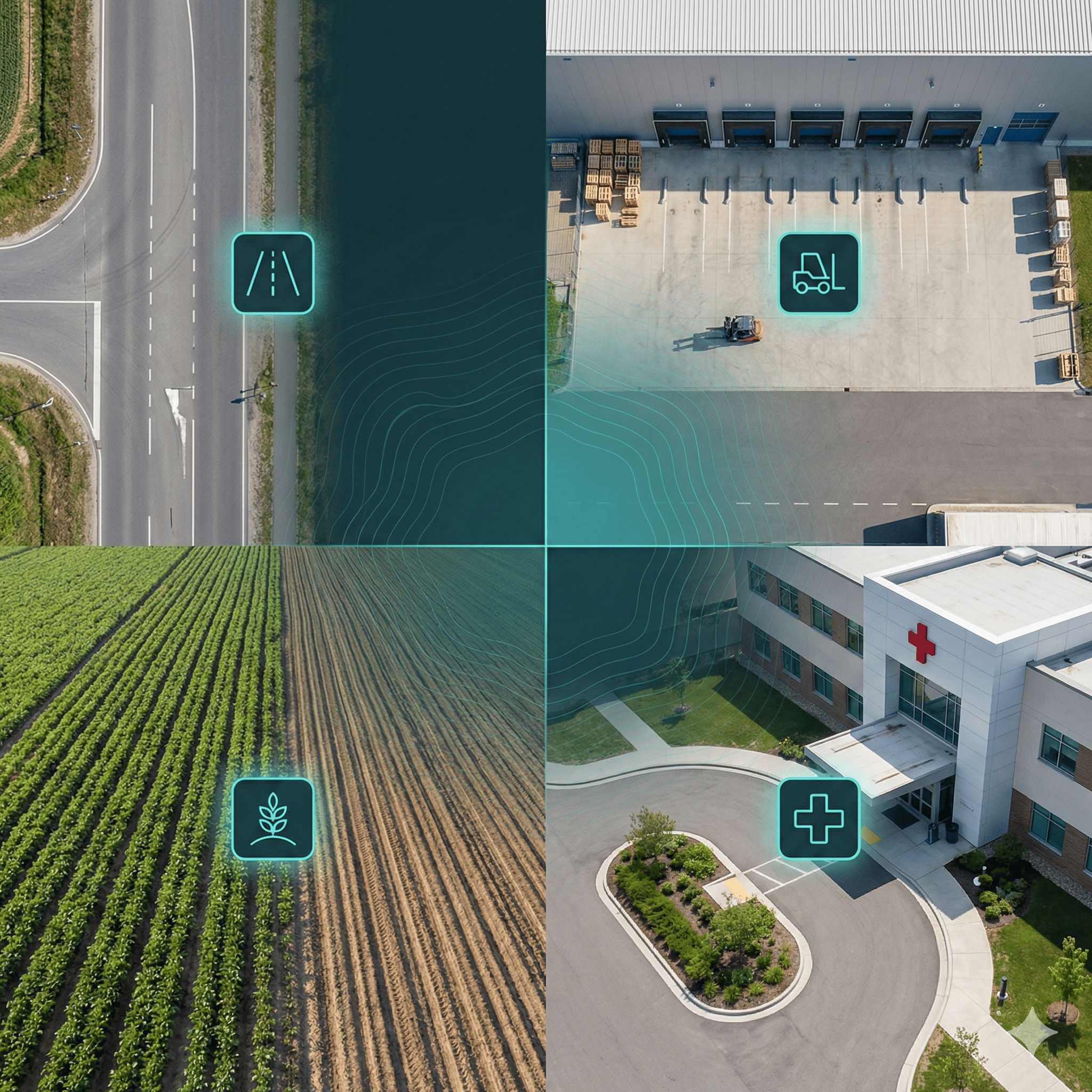
Environment Classification for Safe Autonomy
Define and categorize the environments where an autonomous system can safely operate, such as road types, warehouse zones, agricultural fields, clinical spaces, and mission environments.

Edge Case & Hazard Identification
Detect rare, high-risk scenarios such as unusual lighting, adverse weather, obstructed pathways, unpredictable human behavior, or terrain anomalies.
Scenario Coverage & Validation
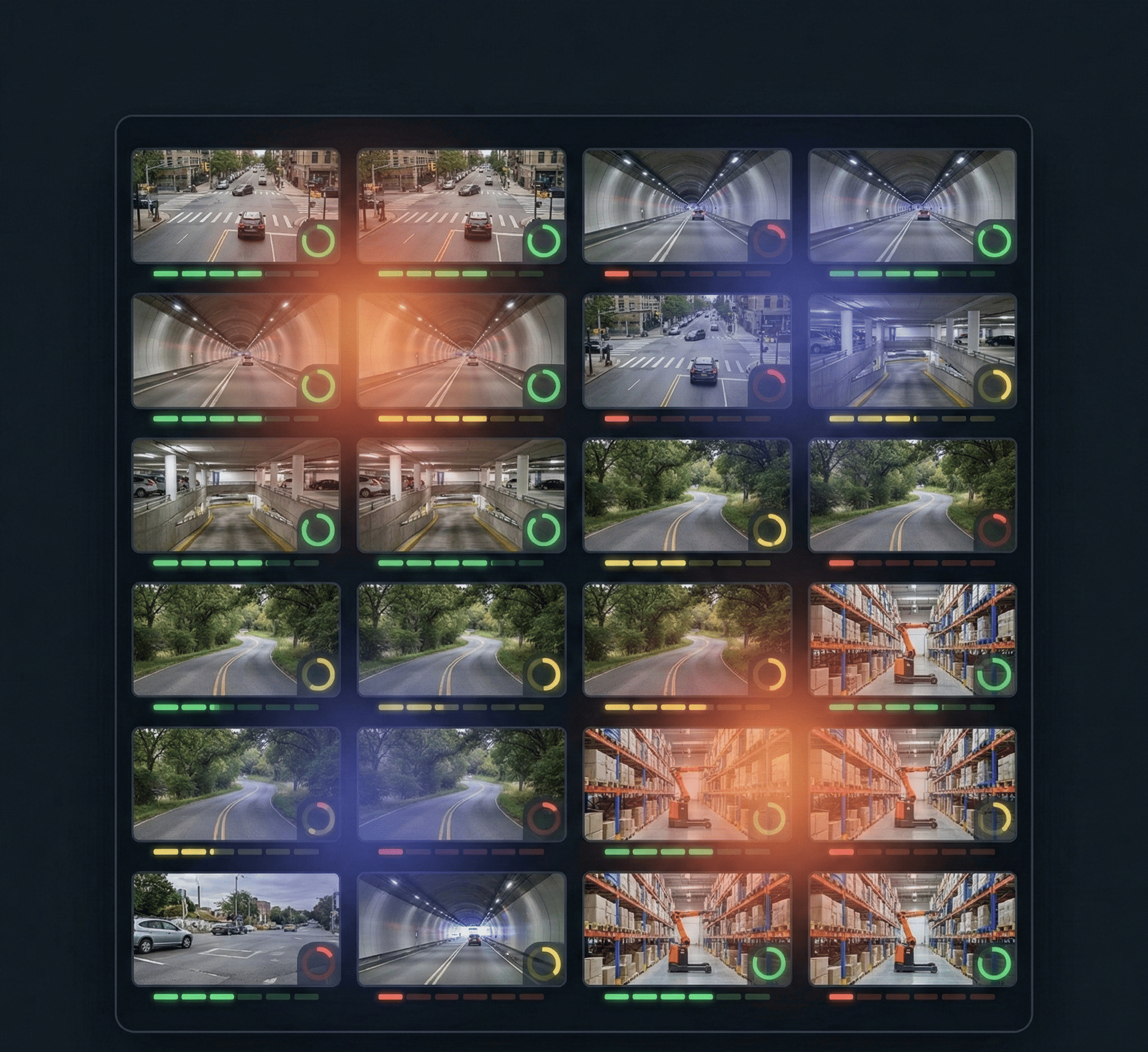
Measure how well existing datasets represent the full range of operational conditions, identifying gaps that limit model reliability.

ODD Expansion Readiness Assessment
Evaluate if a system is safe to deploy in new regions, weather profiles, facility layouts, or mission environments.

Real-World Drift Monitoring
Track changes in the operating environment, seasonal shifts, layout changes, traffic evolution, or workflow variations that may invalidate the current ODD.

Safety Case & Regulatory Alignment
Translate ODD definitions into structured evidence supporting safety certification, compliance checks, and risk assessments.
Multimodal Sensor Performance Benchmarking
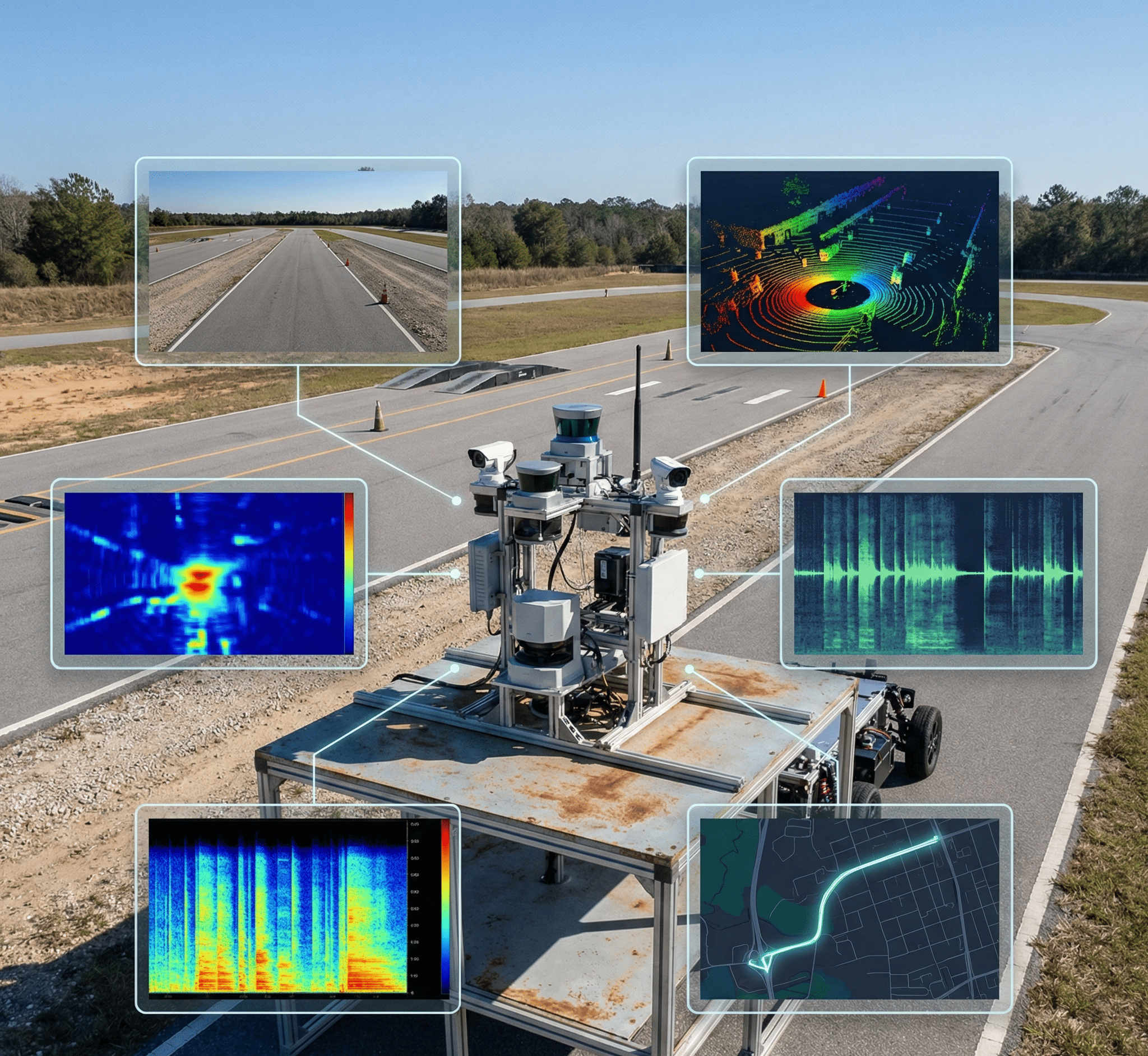
Assess how perception sensors (camera, LiDAR, radar, audio, IMU, GPS) perform across varied ODD conditions such as low light, dust, fog, or crowd density.

Simulation & Scenario Generation Inputs
Use ODD insights to guide synthetic data creation, simulation tuning, and stress-testing for more realistic training and evaluation.

Discovery & scoping
Align on mission objectives, operating environments, edge cases, constraints, regulatory context, and safety requirements.

ODD definition & taxonomy design
Translate environmental, behavioral, and contextual factors into a structured ODD framework.

Scenario & data requirement modeling
Identify critical scenarios, failure modes, corner cases, and coverage gaps using real-world data, synthetic extensions, and domain-specific checklists.

Data capture & multimodal ingestion
Collect or integrate sensor datasets to reflect real operating conditions.

ODD validation & coverage analysis
Quantify ODD compliance using scenario classification, distribution shifts, environmental diversity checks, and hazard exposure scoring.

Recommendations & iteration
Provide clear insights on expansion readiness, ODD boundaries, required training data, missing scenarios, and safety case documentation.

Active Learning in Autonomous Vehicle Pipelines
In this blog, we will explore how Active Learning can transform autonomous vehicle development pipelines, from addressing the challenges...
Read More
How to Conduct Robust ODD Analysis for Autonomous Systems
This blog provides a technical guide to conducting robust ODD analysis for autonomous driving, detailing how to define, structure,...
Read More