
Celebrating 25 years of DDD's Excellence and Social Impact.

Author name: DDD

Avatar of DDD
image2B252842529

MassRobotics and Digital Divide Data Partner to Accelerate the Future of Robotics and Autonomy

Boston, MA, [9/16/2025]MassRobotics, the largest independent robotics innovation hub, and Digital Divide Data (DDD), a global leader in human-in-the-loop services for AI and autonomy, today announced a new associated network partnership designed to help robotics companies move faster, smarter, and with greater confidence.

Robotics and autonomous systems depend on accurate data, validated models, and the ability to handle tricky real-world scenarios. DDD brings years of experience providing human-in-the-loop services, such as data annotation, sensor validation, perception training, and edge-case review, that are critical to making robots safer and more reliable. By teaming up with MassRobotics, DDD will support the startups and scaling companies in the MassRobotics community as they bring next-generation robotics to market.

Why This Partnership Matters

  • For robotics startups: Access to proven, scalable human-in-the-loop services that can reduce development time and strengthen autonomy performance.

  • For DDD: A chance to work side by side with innovators solving the hardest challenges in robotics and autonomy, applying its expertise where it can have the most impact.

Leadership Perspectives

“MassRobotics is thrilled to welcome Digital Divide Data as an Associated Network Partner. Their deep expertise in AI and data operations brings invaluable support to our startup community, helping companies scale smarter and faster. This collaboration strengthens our ecosystem and empowers the next generation of robotics innovators to grow even bigger and bolder.”

 – Colleen Anderson, Director, Community and Events, MassRobotics

We’re thrilled to partner with MassRobotics and be a value added member of their extended robotics community. Boston is a long-time hotspot for innovation and technology, and we strongly believe that this relationship will let us expand our Data Operations business with more of such advanced tech companies in Physical AI, Robotics and ML-CV space. Much more to come!”

 – Sahil Potnis, VP Product and Partnerships, Digital Divide Data Leadership

About MassRobotics

MassRobotics is the world’s largest independent robotics hub dedicated to accelerating robotics innovation, commercialization and adoption. Our mission is to help create and scale the next generation of successful robotics and Physical AI technology companies by providing entrepreneurs and startups with the workspace, resources, programming and connections they need to develop, prototype, test and commercialize their products and solutions. While MassRobotics originated and is headquartered in Boston, we are reaching and supporting robotics acceleration and adoption globally and are working with startups, academia, industry and governments both domestically and internationally.

About Digital Divide Data

Digital Divide Data (DDD) is a global leader in human-in-the-loop services for AI, robotics, and autonomy. With expertise in data annotation, sensor validation, perception model training, and real-time edge-case intervention, DDD supports leading technology companies in building safe, scalable, and reliable autonomous systems.

Media Contact: Preeti Srivastava (preeti.srivastava@digitaldividedata.com)

MassRobotics and Digital Divide Data Partner to Accelerate the Future of Robotics and Autonomy Read Post »

ODDCoverage

Leveraging Traffic Simulation to Optimize ODD Coverage and Scenario Diversity

DDD Engineering Team

12 Sep, 2025

The safe deployment of autonomous vehicles depends on a clear understanding of the conditions in which they are designed to operate. These boundaries are formally described as the Operational Design Domain (ODD). An ODD may include specific types of roads, weather conditions, speed limits, geographic areas, and traffic environments. By defining these limits, developers can establish clear expectations for how an autonomous system should function safely.

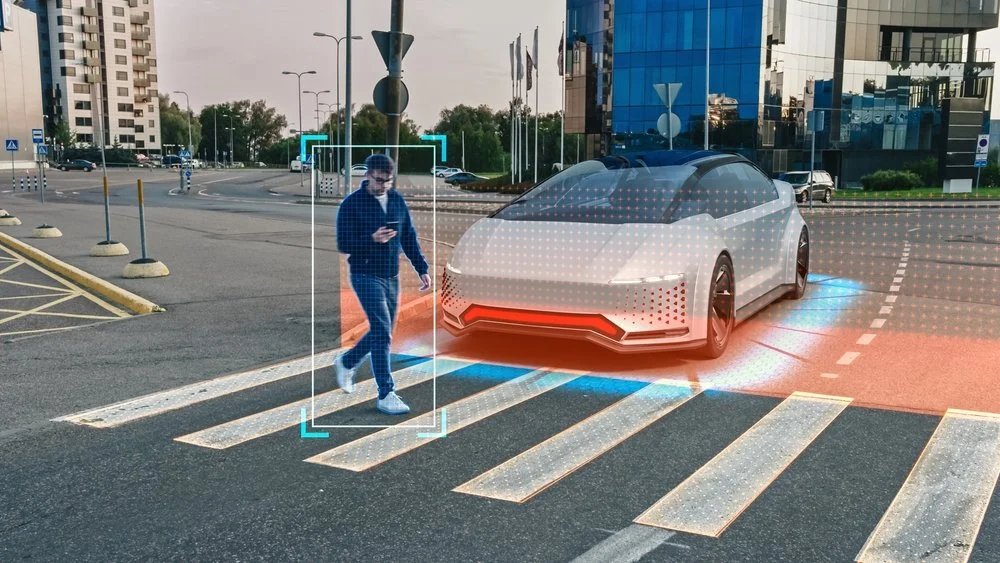
Yet defining the ODD is only the first step. The more difficult challenge lies in testing whether an autonomous system can truly handle the full variety of situations that may arise within those boundaries. This is where scenario diversity becomes critical. Scenario diversity refers to the breadth of situations, behaviors, and interactions that a vehicle may encounter, including both everyday conditions and rare but high-impact events. For example, normal lane-keeping and merging behaviors must be tested alongside unusual but possible situations such as sudden pedestrian crossings or aggressive cut-ins from other drivers.

Real-world testing is constrained by time, geography, and cost. More importantly, it is unlikely to expose a system to the rare and unpredictable events that often matter most for safety. Physical testing can validate certain behaviors under realistic conditions, but it cannot efficiently explore the full spectrum of scenarios across an ODD.

In this blog, we will explore how traffic simulation strengthens the testing and validation of autonomous vehicles by expanding ODD coverage, increasing scenario diversity, ensuring relevance and realism, and integrating into broader safety pipelines to support safer and more reliable deployment.

The Role of Traffic Simulation in AV Development

Traffic simulation is one of the most powerful tools available for testing and validating autonomous vehicles. At its core, simulation provides a digital environment where vehicles interact with roads, infrastructure, and other traffic participants under carefully controlled conditions. Unlike physical testing, where weather, traffic flow, and human behavior are unpredictable, simulation allows these factors to be defined, adjusted, and repeated as needed.

There are different layers of simulation used in the development process. Microscopic simulation models individual vehicles and their interactions, capturing details such as lane changes, braking patterns, and following distances. Macroscopic simulation looks at traffic as a flow, providing insights into congestion patterns and overall traffic density. Within these categories, simulation methods can also be agent-based, where vehicles and pedestrians act with some level of autonomy, or rule-based, where behaviors are more structured and deterministic. Together, these approaches create environments that range from predictable to highly dynamic, which is essential for testing how an autonomous system adapts.

The strength of traffic simulation lies in its ability to generate scenarios that are controlled, scalable, and repeatable. Controlled environments allow developers to isolate variables and test specific behaviors, such as how an autonomous vehicle responds to an abrupt lane change by a nearby car. Scalability makes it possible to run thousands of variations overnight, something that would take months or years on public roads. Repeatability ensures that the same conditions can be recreated consistently, which is crucial for verifying whether system improvements actually result in better performance.

Most importantly, simulation bridges a critical gap. Real-world testing exposes vehicles to authentic conditions but cannot cover the full variety of scenarios defined by an ODD. Simulation fills in those gaps by enabling systematic exploration of rare events, edge cases, and combinations of factors that are unlikely to occur naturally during limited road testing. By combining physical trials with simulation, developers create a comprehensive testing strategy that balances realism with breadth of coverage.

Understanding ODD Coverage

Operational Design Domain coverage refers to the degree to which testing explores the full set of conditions outlined in an ODD. It is not enough to state that a vehicle is intended for “urban roads” or “highways in clear weather.” Developers must ensure that testing activities actually expose the system to the range of variations within those categories. For example, urban roads may include wide multi-lane avenues, narrow residential streets, school zones, and intersections with complex traffic signaling. Coverage must therefore reflect the diversity of conditions that exist in practice.

ODD coverage is often confused with ODD completeness, but the two concepts are distinct. ODD completeness refers to the quality and precision of the ODD definition itself. A complete ODD might specify not just “urban areas” but also the types of intersections, the expected traffic densities, the lighting conditions, and the maximum number of vulnerable road users present. ODD coverage, on the other hand, focuses on testing. It asks whether simulations and road trials have actually evaluated system performance across those detailed parameters.

To make coverage measurable, developers rely on specific metrics. Distributional balance ensures that testing does not overemphasize common conditions while neglecting rare but important ones. Exposure to rare events measures whether the system has been tested against the long-tail scenarios that often challenge safety. Representativeness checks that the conditions simulated reflect the real-world distributions within the intended ODD, so the system is not overprepared for unusual situations at the expense of typical ones.

By treating ODD coverage as a quantifiable goal rather than a general aspiration, developers gain visibility into where testing is strong and where it is lacking. This clarity allows simulation to be used strategically, filling gaps that are difficult or impossible to address through physical testing alone.

Scenario Diversity as a Testing Imperative

Achieving broad ODD coverage is necessary, but it is not sufficient on its own. Autonomous vehicles must also be tested against a diverse range of scenarios that occur within those boundaries. Scenario diversity captures this dimension. It refers to the variety of interactions, behaviors, and environmental contexts that a vehicle might face during operation. Without sufficient diversity, testing risks overlooking conditions that could expose critical weaknesses.

Simply working through an ODD checklist does not guarantee robust safety. For instance, an ODD might include “highway driving,” but the scenarios within that category can vary dramatically. A vehicle must handle steady traffic flow, sudden congestion, merging at on-ramps, and vehicles weaving at high speeds. The same applies to urban settings, where interactions with pedestrians, cyclists, and public transport create countless possible situations. Scenario diversity ensures that these variations are not treated as a single condition but are tested in their many forms.

Diversity also requires attention to rare but high-risk events. These events might include an aggressive cut-in from a driver who misjudges space, a pedestrian emerging suddenly from behind a parked truck, or a cyclist crossing against traffic lights. While individually uncommon, such scenarios carry significant safety implications. A system that performs well in common conditions but fails in these rare interactions cannot be considered truly reliable.

Methods to Expand ODD Coverage in Simulation

Expanding ODD coverage requires more than running standard simulations. It involves using structured methods to systematically increase the range of conditions and interactions tested. Several approaches can be combined to ensure both breadth and depth in scenario design.

Parameterized Scenarios
One of the most direct methods is to adjust parameters within a scenario, such as vehicle speed, traffic density, road friction, lighting, or actor behavior. By systematically varying these inputs, developers can explore a wide range of outcomes from a single scenario template. This allows both common and extreme conditions to be tested without requiring entirely new scenario designs each time.

Data-Driven Scenarios
Real-world driving logs provide a rich source of authentic interactions that can be reconstructed in simulation. By replaying these events, developers can test how autonomous systems respond to conditions that have been observed in practice. Data-driven approaches also capture cultural and regional differences in driving behavior, which are essential when validating ODDs across multiple geographies.

Synthetic and AI-Generated Scenarios
Generative methods use artificial intelligence to create new but plausible scenarios that have not been recorded in real-world data. These scenarios are particularly valuable for exploring long-tail risks. For example, AI-generated variations can simulate rare pedestrian movements, unusual traffic violations, or unexpected combinations of environmental conditions. This approach helps anticipate events that may not yet exist in recorded datasets but remain within the bounds of possibility.

Combinatorial Expansion
Complex situations often arise from the interaction of multiple factors, such as weather, traffic density, and driver behavior occurring simultaneously. Combinatorial expansion explores these intersections by systematically varying several inputs at once. This method uncovers under-tested areas of the ODD where overlapping conditions could reveal system vulnerabilities.

Ensuring Scenario Relevance and Realism

Expanding ODD coverage through simulation is valuable only if the scenarios remain relevant and realistic. A large library of artificial events has limited utility if those events do not reflect conditions that could plausibly occur within the defined ODD. Maintaining this balance is one of the central challenges in simulation-based testing.

One risk is that synthetic or AI-generated scenarios may introduce behaviors or interactions that are technically possible but not representative of real-world driving. For example, an overly aggressive lane change or an improbable pedestrian trajectory might stress-test the system but fail to provide meaningful insights about performance under genuine conditions. Such unrealistic scenarios can distort test results and create false confidence or unnecessary alarm.

Another challenge lies in balancing edge-case generation with everyday coverage. It is important to test rare, high-risk events, but overemphasizing them can skew validation results. An autonomous vehicle must not only survive extreme situations but also operate smoothly under the far more common day-to-day traffic conditions. Ensuring that scenario libraries reflect both ends of this spectrum prevents systems from being over-optimized for rare events at the expense of routine reliability.

Validation frameworks play a crucial role in addressing these challenges. Regulatory-aligned frameworks set guidelines for scenario plausibility, coverage requirements, and traceability. By embedding validation standards into simulation workflows, developers ensure that every scenario, whether common or rare, contributes meaningfully to the safety case. This alignment also builds confidence that simulation-based results can withstand external review and regulatory scrutiny.

Realism and relevance are not static qualities. As ODDs evolve and new real-world data becomes available, scenario libraries must be continuously refined. Ongoing monitoring and feedback loops help maintain alignment between simulated conditions and the environments in which vehicles are deployed. This iterative process ensures that simulation remains a trustworthy complement to physical testing.

Measuring Metrics for Coverage and Diversity

Building extensive scenario libraries is only effective if developers can measure how well those scenarios achieve ODD coverage and diversity. Without clear metrics, testing efforts risk becoming arbitrary, leaving critical gaps undiscovered. Defining and tracking the right measures ensures that simulation contributes directly to safety and reliability.

Coverage Percentage

One fundamental measure that captures how much of the ODD has been tested. This can be quantified by mapping the tested scenarios against the dimensions of the ODD, such as road types, weather conditions, traffic densities, and time-of-day variations. A high coverage percentage indicates broad exposure, but it must be interpreted carefully, since not all conditions carry equal risk.

Scenario Novelty

It measures how different new scenarios are compared to existing ones. High novelty indicates that the testing program is exploring new areas of the ODD space rather than repeating similar conditions. Novelty can be quantified using similarity measures across scenario parameters or outcomes, ensuring that testing avoids redundancy and uncovers fresh challenges.

Frequency Alignment

Evaluates whether simulated scenarios match the real-world distribution of conditions within the ODD. If a city’s roads experience heavy congestion during peak hours, simulations must reflect that reality rather than focusing disproportionately on light-traffic conditions. Frequency alignment ensures that testing results remain relevant and transferable to actual deployment environments.

Metrics also play a role in deciding when testing is “enough.” Absolute completeness is neither possible nor practical, but thresholds based on coverage, novelty, and alignment can provide defensible stopping criteria. By monitoring these indicators, developers can justify that their testing efforts have systematically addressed both common conditions and the rare events most critical to safety.

Integration with Safety Assessment Pipelines

Traffic simulation is most effective when it is embedded within a broader safety assessment framework. Autonomous vehicles cannot be validated through simulation alone, but simulation can play a central role when combined with physical testing, real-world data, and hardware integration. Together, these methods create a multi-layered safety pipeline that strengthens confidence in system performance.

Combination of Simulation and Physical Testing

Simulation allows for rapid and exhaustive exploration of scenarios, while physical testing validates how the vehicle performs in real-world conditions, including hardware dynamics and environmental unpredictability. By aligning these two approaches, developers ensure that insights from simulation are grounded in reality.

Hardware-in-the-loop (HIL) testing

In this assessment, actual vehicle components are connected to a simulation environment. This method tests how sensors, control systems, and actuators respond under simulated conditions, creating a realistic link between software performance and physical hardware behavior. HIL provides an efficient way to validate the interaction between digital models and real-world components without exposing vehicles to unnecessary risk.

Feedback Loops

When incidents or anomalies occur in real-world operations, they should inform the next cycle of simulation. Reconstructing these events virtually allows developers to test whether updates to the system can address the weaknesses that were revealed. Over time, this continuous cycle of simulation and feedback strengthens scenario diversity and improves overall safety coverage.

Read more: How Accurate LiDAR Annotation for Autonomy Improves Object Detection and Collision Avoidance

How We Can Help

Digital Divide Data (DDD) provides the expertise and scalable resources needed to strengthen simulation pipelines for autonomous vehicle development. Expanding ODD coverage and scenario diversity depends on high-quality, well-structured data, and this is where DDD delivers value.

Our teams support the creation of simulation-ready datasets through data annotation and enrichment that capture complex traffic participants, environmental conditions, and edge-case behaviors. We work with clients to curate diverse datasets that reflect the many dimensions of ODDs, including rare and high-risk scenarios that are often underrepresented in real-world data.

By partnering with DDD, organizations can focus on advancing their core technologies while relying on a trusted partner to ensure that their data foundation is strong, diverse, and ready to support rigorous simulation-driven testing.

Read more: How Stereo Vision in Autonomy Gives Human-Like Depth Perception

Conclusion

Traffic simulation has become an essential tool in advancing the safety and reliability of autonomous vehicles. By enabling controlled, scalable, and repeatable testing, it provides a pathway to explore the full breadth of conditions defined within an ODD. More importantly, it allows developers to introduce scenario diversity, ensuring that vehicles are prepared not only for routine driving but also for rare and high-risk events that pose the greatest challenges to safety.

Physical testing will always remain an important part of validation, but it cannot deliver the range or efficiency required to achieve comprehensive ODD coverage. Simulation fills this gap by allowing developers to generate and refine scenarios at scale, measure their effectiveness through clear metrics, and continuously improve testing pipelines through feedback loops. When integrated into broader safety assessment frameworks, simulation strengthens confidence that autonomous systems can handle the complexity of real-world operation.

Looking ahead, advances in artificial intelligence, adaptive testing methods, and regulatory alignment will only expand the role of simulation. As autonomous vehicles move closer to widespread deployment, simulation will not simply support testing efforts but will stand as a cornerstone of safety validation. For practitioners, the priority is clear: use simulation strategically, measure outcomes rigorously, and maintain a strong focus on diversity and realism to ensure that autonomous systems can meet the expectations of both regulators and the public.

Partner with Digital Divide Data to build the simulation pipelines that drive safer, more reliable deployment.


References

Scanlon, J. M., Kusano, K. D., Daniel, T., Alderson, C., Ogle, A., & Victor, T. (2025). Waymo simulated driving behavior in reconstructed fatal crashes within an autonomous vehicle operating domain. Waymo Research. https://waymo.com/research/waymo-simulated-driving-behavior-in-reconstructed/

Wu, V., Yu, Z., Li, Z., Lan, S., & Alvarez, J. M. (2024, June 17). End-to-end driving at scale with Hydra-MDP. NVIDIA Technical Blog. https://developer.nvidia.com/blog/end-to-end-driving-at-scale-with-hydra-mdp/

Gao, Y., Piccinini, M., Zhang, Y., Wang, D., Möller, K., Brusnicki, R., Zarrouki, B., Gambi, A., Totz, J. F., Storms, K., Peters, S., Stocco, A., Alrifaee, B., Pavone, M., & Betz, J. (2025). Foundation models in autonomous driving: A survey on scenario generation and scenario analysis. arXiv. https://doi.org/10.48550/arXiv.2506.11526


FAQs

Q1. What is the difference between ODD definition and ODD coverage?
The ODD definition describes the conditions under which an autonomous vehicle is designed to operate, such as road types, weather, and traffic environments. ODD coverage measures how thoroughly testing explores those defined conditions to confirm that the system can handle them.

Q2. Can simulation fully replace physical road testing?
No. Simulation greatly expands the range of scenarios that can be tested, but physical testing is still necessary to validate performance in real-world conditions, including hardware behavior and environmental variability. The two approaches complement each other.

Q3. How do AI-generated scenarios differ from data-driven scenarios?
Data-driven scenarios replicate events from recorded driving logs, ensuring authenticity. AI-generated scenarios synthesize new but plausible situations that may not yet have been captured in real-world data, allowing developers to anticipate rare or emerging risks.

Q4. How do regulators view the role of simulation in AV testing?
Both US and European regulators are increasingly recognizing simulation as a legitimate component of safety validation. However, scenarios must be realistic, relevant, and traceable to the ODD to be accepted within safety assessments.

Q5. What steps can smaller AV developers take to adopt simulation effectively?
Smaller teams can leverage open-source simulation platforms, cloud-based infrastructure, and partnerships with data specialists like DDD to scale their testing. This enables access to comprehensive scenario coverage without the need for large in-house resources.

Leveraging Traffic Simulation to Optimize ODD Coverage and Scenario Diversity Read Post »

Dataannotationchallenges

Major Challenges in Large-Scale Data Annotation for AI Systems

Umang Dayal

8 Sep, 2025

Artificial intelligence is only as strong as the data it learns from. Behind every breakthrough model in natural language processing, computer vision, or speech recognition lies an immense volume of carefully annotated data. Labels provide structure and meaning, transforming raw information into training sets that machines can interpret and learn from. Without reliable annotations, even the most advanced algorithms struggle to perform accurately or consistently.

Today’s models are trained on billions of parameters and require millions of labeled examples that span multiple modalities. Text must be tagged with sentiment, entities, or intent. Images need bounding boxes, masks, or keypoints. Audio recordings demand transcription and classification. Video requires object tracking across frames. Three-dimensional data introduces entirely new levels of complexity. The scale is staggering, and each modality brings unique annotation challenges that multiply when combined in multimodal systems.

Despite significant advances in automation and tooling, large-scale annotation continues to be one of the hardest problems in AI development. The complexity does not end with labeling; it extends to ensuring quality, maintaining consistency across diverse teams, and managing costs without sacrificing accuracy. This creates a tension between the speed required by AI development cycles and the rigor demanded by high-stakes applications. The industry is at a critical juncture where building robust annotation pipelines is just as important as designing powerful models.

This blog explores the major challenges that organizations face when annotating data at scale. From the difficulty of managing massive volumes across diverse modalities to the ethical and regulatory pressures shaping annotation practices, the discussion highlights why the future of AI depends on addressing these foundational issues.

Data Annotation Scale Problem: Volume and Complexity

The scale of data required to train modern AI models has reached levels that were difficult to imagine only a few years ago. Cutting-edge systems often demand not thousands, but millions of annotated examples to achieve acceptable accuracy. As the performance of models becomes increasingly dependent on large and diverse datasets, organizations are forced to expand their labeling pipelines far beyond traditional capacities. What once could be managed with small, specialized teams now requires massive, distributed workforces and highly coordinated operations.

The challenge is compounded by the variety of data that must be annotated. Text remains the most common modality, but image, audio, and video annotations have become equally critical in real-world applications. In autonomous driving, video streams require object detection and tracking across frames. In healthcare, medical imaging involves precise segmentation of tumors or anomalies. Audio labeling for speech technologies must account for accents, background noise, and overlapping conversations. Emerging use cases in augmented reality and robotics bring 3D point clouds and sensor fusion data into the mix, pushing the limits of annotation tools and workforce expertise.

Complexity also increases with the sophistication of the labels themselves. A simple bounding box around an object might once have been sufficient, but many systems now require pixel-level segmentation or keypoint detection to capture fine details. In text, binary sentiment classification has given way to multi-label annotation, entity extraction, and intent recognition, often with ambiguous or subjective boundaries. Video annotation introduces temporal dependencies where objects must be consistently labeled across sequences, multiplying the risk of errors and inconsistencies.

Ensuring Quality at Scale

As the scale of data annotation expands, maintaining quality becomes a central challenge. A dataset with millions of examples is only as valuable as the accuracy and consistency of its labels. Even small error rates, when multiplied across such volumes, can severely compromise model performance and reliability. Quality, however, is not simply a matter of checking for mistakes; it requires a deliberate system of controls, validation, and continuous monitoring.

One of the most persistent issues is inter-annotator disagreement. Human perception is rarely uniform, and even well-trained annotators can interpret the same instance differently. For example, what one annotator considers sarcasm in text might be interpreted as straightforward language by another. In visual data, the boundary of an object may be traced tightly by one worker and loosely by another. These disagreements raise the fundamental question of what “ground truth” really means, particularly in subjective or ambiguous contexts.

The pressure to move quickly adds another layer of complexity. AI development cycles are often fast-paced, and annotation deadlines are tied to product launches, research milestones, or competitive pressures. Speed, however, can easily erode accuracy if quality assurance is not prioritized. This tension often forces organizations to strike a difficult balance between throughput and reliability.

Robust quality assurance pipelines are essential to resolving this tension. Best practices include multi-step validation processes, where initial annotations are reviewed by peers and escalated to experts when inconsistencies arise. Sampling and auditing strategies can identify systemic issues before they spread across entire datasets. Adjudication layers, where disagreements are resolved through consensus or expert judgment, help establish clearer ground truth. Continuous feedback loops between annotators and project leads also ensure that errors become learning opportunities rather than recurring problems.

Guidelines and Consistency

Clear guidelines are the backbone of any successful data annotation effort. Without them, even the most skilled annotators can produce inconsistent labels that undermine the reliability of a dataset. Guidelines provide a shared definition of what each label means, how edge cases should be handled, and how to maintain uniformity across large teams. They are the reference point that turns subjective judgments into standardized outputs.

The challenge arises in keeping guidelines both comprehensive and practical. Annotation projects often begin with well-documented instructions, but as new use cases, data types, or ambiguities emerge, those guidelines must evolve. This creates a living document that requires constant revision. If updates are not communicated effectively, different groups of annotators may follow outdated rules, producing inconsistent results that are difficult to reconcile later.

Another complication is drift in interpretation over time. Even with consistent documentation, annotators may unconsciously adapt or simplify the rules as they gain experience, leading to subtle but systematic deviations. For instance, annotators may begin to generalize object categories that were originally intended to be distinct, or overlook nuanced linguistic cues in text annotation. These small shifts can accumulate across large datasets, reducing consistency and ultimately affecting model performance.

To mitigate these issues, organizations need structured processes for maintaining and updating annotation guidelines. This includes version-controlled documentation, regular training sessions, and feedback loops where annotators can raise questions or propose clarifications. Equally important is active monitoring, where reviewers check not only for label accuracy but also for adherence to the latest standards. By treating guidelines as dynamic tools rather than static documents, teams can preserve consistency even as projects scale and evolve.

Human Workforce Challenges

Behind every large-scale annotation project is a workforce that makes the abstract task of labeling data a reality. While tools and automation have advanced considerably, the bulk of annotation still relies on human judgment. This dependence on human labor introduces a series of challenges that are as critical as the technical ones.

One major issue is the distributed nature of annotation teams. To meet scale requirements, organizations often rely on global workforces spread across regions and time zones. While this offers flexibility and cost advantages, it also brings difficulties in coordination, training, and communication. Ensuring that hundreds or thousands of annotators interpret guidelines in the same way is no small task, especially when cultural and linguistic differences affect how data is perceived and labeled.

Training and motivation are equally important. Annotation can be repetitive, detailed, and cognitively demanding. Without proper onboarding, ongoing training, and opportunities for skill development, annotators may lose focus or interpret tasks inconsistently. Lack of motivation often manifests in corner-cutting, superficial labeling, or burnout, all of which directly reduce dataset quality.

Well-being is another critical concern. Large-scale annotation projects frequently operate under tight deadlines, creating pressure for annotators to work long hours with limited support. This not only affects quality but also raises ethical questions about fair labor practices. The human cost of building AI is often overlooked, yet it directly shapes the reliability of the systems built on top of these datasets.

Finally, gaps in domain expertise can pose significant risks. While general annotation tasks may be performed by large distributed teams, specialized domains such as medical imaging, legal texts, or defense tech-related data require deep knowledge. Without access to qualified experts, annotations in these areas may be inaccurate or incomplete, leading to flawed models in sensitive applications.

In short, the effectiveness of data annotation is inseparable from the workforce that performs it. Organizations that invest in training, support, and ethical working conditions not only produce higher-quality data but also build more sustainable annotation pipelines.

Cost and Resource Trade-offs

The financial side of large-scale data annotation is often underestimated. On the surface, labeling may appear to be a straightforward process, but the true costs extend far beyond paying for individual annotations. Recruiting, training, managing, and retaining annotation teams require significant investment. Quality assurance introduces additional layers of expense, as does re-labeling when errors are discovered later in the pipeline. When scaled to millions of data points, these hidden costs can quickly become substantial.

Organizations must also navigate difficult trade-offs between expertise, cost, and scale. Expert annotators, such as medical professionals or legal specialists, bring deep domain knowledge but are expensive and scarce. Crowdsourcing platforms, by contrast, provide large pools of annotators at lower costs but often sacrifice quality and consistency. Automation can reduce expenses and accelerate throughput, yet it introduces risks of bias and inaccuracies if not carefully monitored. Deciding where to allocate resources is rarely straightforward and often requires balancing speed, budget constraints, and the level of precision demanded by the application.

Budget pressures frequently push organizations toward shortcuts. This might mean relying heavily on less-trained annotators, minimizing quality assurance steps, or setting aggressive deadlines that compromise accuracy. While these decisions may save money in the short term, they often lead to costly consequences later. Models trained on low-quality annotations perform poorly, requiring expensive retraining or causing failures in deployment that damage trust and credibility.

Ultimately, data annotation is not just a cost center but a strategic investment. Organizations that treat it as such, carefully weighing trade-offs and planning for long-term returns, are better positioned to build reliable AI systems. Ignoring the true costs or prioritizing speed over accuracy undermines the very foundation on which AI depends.

Automation and Hybrid Approaches

As the demand for annotated data continues to grow, organizations are turning to automation to ease the burden on human annotators. Advances in machine learning, including large models, have enabled pre-labeling and active learning approaches that can accelerate workflows and reduce costs. In these systems, models generate initial annotations which are then corrected, verified, or refined by humans. This not only improves efficiency but also allows human annotators to focus on more complex or ambiguous cases rather than repetitive labeling tasks.

Hybrid approaches that combine machine assistance with human oversight are increasingly seen as the most practical way to balance scale and quality. Pre-labeling reduces the time required for annotation, while active learning prioritizes the most informative examples for human review, improving model performance with fewer labeled samples. Human-in-the-loop systems ensure that critical decisions remain under human control, providing the nuance and judgment that algorithms alone cannot replicate.

However, automation is not a silver bullet. Models that generate annotations can introduce biases, particularly if they are trained on imperfect or unrepresentative data. Automated systems may also propagate errors at scale, leading to large volumes of incorrect labels that undermine quality rather than enhance it. Over-reliance on automation creates the risk of false confidence, where organizations assume that automated labels are sufficient without proper validation. In addition, maintaining trust in hybrid pipelines requires continuous monitoring and recalibration, as model performance and data distributions change over time.

The future of large-scale annotation lies not in fully replacing human annotators but in building workflows where automation and human expertise complement each other. Done well, this integration can significantly reduce costs, improve efficiency, and maintain high levels of quality.

Governance, Ethics, and Compliance

Data annotation is not just a technical process; it is also a matter of governance and ethics. As annotation scales globally, questions of fairness, transparency, and compliance with regulations become increasingly important. Organizations cannot treat annotation simply as a production task. It is also an area where legal responsibilities, social impact, and ethical considerations directly intersect.

One of the most pressing issues is the treatment of the annotation workforce. In many large-scale projects, annotators are employed through crowdsourcing platforms or outsourcing firms. While this model offers flexibility, it also raises concerns about fair wages, job security, and working conditions. Ethical annotation practices require more than efficiency; they demand respect for the human contributors who make AI systems possible. Without strong governance, annotation risks replicating exploitative patterns that prioritize scale over people.

Compliance with data protection laws is another critical challenge. In the United States, regulations around sensitive domains such as healthcare and finance impose strict standards for how data is handled during labeling. In Europe, the General Data Protection Regulation (GDPR) and the upcoming AI Act introduce additional requirements around data privacy, traceability, and accountability. Annotation projects must ensure that personally identifiable information is anonymized or secured, and that annotators are trained to handle sensitive material responsibly. Non-compliance can result in significant penalties and reputational damage.

Sensitive use cases further heighten the stakes. Annotating medical records, defense imagery, or surveillance data involves not only technical expertise but also ethical oversight. Errors or breaches in these contexts carry consequences that go far beyond model performance. They can affect human lives, public trust, and national security. For this reason, organizations must embed strong governance structures into their annotation pipelines, with clear accountability, audit mechanisms, and adherence to both local and international regulations.

Ultimately, governance and ethics are not optional considerations but foundational elements of sustainable annotation. Building compliant, ethical pipelines is essential not only for legal protection but also for ensuring that AI systems are developed in a way that is socially responsible and trustworthy.

Read more: How Data Labeling and Real‑World Testing Build Autonomous Vehicle Intelligence

Emerging Trends and Future Outlook

The landscape of data annotation is evolving rapidly, with several trends reshaping how organizations approach the challenge of scale. One clear shift is the move toward more intelligent annotation platforms. These platforms are integrating advanced automation, analytics, and workflow management to reduce inefficiencies and provide real-time visibility into quality and throughput. Instead of being treated as isolated tasks, annotation projects are increasingly managed as end-to-end pipelines with greater transparency and control.

Another important development is the growing role of programmatic labeling. Techniques such as weak supervision, rule-based labeling, and label propagation allow organizations to annotate large datasets more efficiently without relying entirely on manual effort. When combined with machine-assisted approaches, programmatic labeling can accelerate annotation while maintaining a level of oversight that ensures reliability.

Synthetic data is also becoming a valuable complement to traditional annotation. By generating artificial datasets that mimic real-world conditions, organizations can reduce dependence on human labeling in certain contexts. While synthetic data is not a replacement for human annotation, it provides a cost-effective way to fill gaps, handle edge cases, or train models on scenarios that are rare in natural datasets. The key challenge lies in validating synthetic data so that it contributes positively to model performance rather than introducing new biases.

Looking ahead, annotation is likely to move from being seen as a manual, operational necessity to a strategic function embedded in the AI lifecycle. Governance frameworks, automation, and hybrid approaches will converge to create annotation pipelines that are scalable, ethical, and resilient. As organizations invest more in this area, the expectation is not just faster labeling but smarter, higher-quality annotation that directly supports innovation in AI.

Read more: Challenges of Synchronizing and Labeling Multi-Sensor Data

How We Can Help

Addressing the challenges of large-scale data annotation requires not only tools and processes but also trusted partners who can deliver quality, consistency, and ethical value at scale. Digital Divide Data (DDD) is uniquely positioned to meet these needs.

Expert Workforce at Scale
DDD provides trained teams with expertise across text, image, video, audio, and 3D data annotation. By combining domain-specific training with rigorous onboarding, DDD ensures that annotators are equipped to handle both straightforward and highly complex tasks.

Commitment to Quality Assurance
Every annotation project managed by DDD incorporates multi-layered review processes, continuous feedback loops, and adherence to evolving guidelines. This structured approach minimizes inconsistencies and builds the reliability needed for high-stakes AI applications.

Ethical and Sustainable Practices
DDD operates on a social impact model, ensuring fair wages, professional development opportunities, and long-term career growth for its workforce. Partnering with DDD allows organizations to scale responsibly, knowing that data annotation is being carried out under ethical and transparent conditions.

Flexible and Cost-Effective Engagements
From pilot projects to enterprise-scale annotation pipelines, DDD adapts to client requirements, balancing cost efficiency with quality standards. Hybrid approaches that integrate automation with human oversight further optimize speed and accuracy.

Trusted by Global Organizations
With experience serving international clients across industries such as healthcare, finance, technology, and defense, DDD brings the scale and reliability needed to support complex AI initiatives while maintaining compliance with US and European regulatory frameworks.

By combining technical expertise with a commitment to social impact, DDD helps organizations overcome the hidden difficulties of large-scale annotation and build sustainable foundations for the next generation of AI systems.

Conclusion

Data annotation remains the foundation upon which modern AI is built. No matter how sophisticated an algorithm may be, its performance depends on the quality, scale, and consistency of the data it is trained on. The challenges are significant: managing enormous volumes of multimodal data, ensuring accuracy under tight deadlines, maintaining consistent guidelines, supporting a distributed workforce, and balancing costs against the need for expertise. On top of these, organizations must also navigate the risks of over-reliance on automation and the growing demands of governance, ethics, and regulatory compliance.

The complexity of these challenges shows why annotation cannot be treated as a secondary task in AI development. Instead, it must be recognized as a strategic capability that determines whether AI systems succeed or fail in real-world deployment. Investing in scalable, ethical, and well-governed annotation processes is no longer optional. It is essential to build models that are accurate, trustworthy, and sustainable.

The future of AI will not be shaped by models alone but by the data that trains them. As organizations embrace emerging trends such as intelligent platforms, hybrid automation, and synthetic data, they must ensure that the human and ethical dimensions of annotation remain at the center. Building sustainable annotation ecosystems will define not only the pace of AI innovation but also the trust society places in these technologies.

Partner with Digital Divide Data to build scalable, ethical, and high-quality annotation pipelines that power the future of AI.


References

European Data Protection Supervisor. (2025). Annual report 2024. Publications Office of the European Union. https://edps.europa.eu

European Parliament. (2024, March). Addressing AI risks in the workplace: Workers and algorithms. European Parliamentary Research Service. https://europarl.europa.eu

Jensen, B. (2024, July 10). Exploring the complex ethical challenges of data annotation. Stanford HAI. https://hai.stanford.edu/news/exploring-complex-ethical-challenges-data-annotation


FAQs

Q1. How does annotation quality affect AI deployment in high-stakes industries like healthcare or finance?
In high-stakes domains, even minor errors in annotation can lead to significant risks such as misdiagnosis or financial miscalculations. High-quality annotation is essential to ensure that models are reliable and trustworthy in sensitive applications.

Q2. What role do annotation tools play in managing large-scale projects?
Annotation tools streamline workflows by offering automation, version control, and real-time collaboration. They also provide dashboards for monitoring progress and quality, helping teams manage scale more effectively.

Q3. Can annotation be fully outsourced without losing control over quality?
Outsourcing can provide access to scale and expertise, but quality control must remain in-house through audits, guidelines, and monitoring. Organizations that treat outsourcing as a partnership rather than a handoff are more successful in maintaining standards.

Q4. How do organizations handle security when annotating sensitive data?
Security is managed through strict anonymization, secure environments, encrypted data transfer, and compliance with regional laws such as GDPR in Europe and HIPAA in the United States.

Q5. What is the future of crowdsourcing in annotation?
Crowdsourcing will continue to play a role, especially for simpler or large-volume tasks. However, it is increasingly supplemented by hybrid approaches that combine machine assistance and expert oversight to maintain quality.

Q6. How do annotation projects adapt when data distribution changes over time?
Adaptation is managed through continuous monitoring, updating annotation guidelines, and re-labeling subsets of data to reflect new trends. This prevents models from degrading when exposed to shifting real-world conditions.

Major Challenges in Large-Scale Data Annotation for AI Systems Read Post »

Stereo2BVision2Bin2BAutonomy

How Stereo Vision in Autonomy Gives Human-Like Depth Perception

DDD Solutions Engineering Team

5 Sep, 2025

Depth perception is fundamental to how humans interact with their environment. It allows us to judge distances, avoid obstacles, and manipulate objects with precision. For machines, replicating this ability is one of the most challenging and important tasks in computer vision. Without a reliable understanding of depth, even the most advanced robotic systems remain limited in how safely and effectively they can operate in dynamic, unstructured settings.

Stereo Vision addresses this challenge by enabling machines to see the world in three dimensions using two cameras positioned at a fixed distance apart. By comparing slight differences between the two camera views, systems can infer depth and create accurate 3D representations of their surroundings. Unlike monocular vision, which relies on inference and assumptions, or LiDAR, which requires active light emission and specialized sensors, Stereo Vision is passive, scalable, and often more cost-effective.

In this blog, we will explore the fundamental principles of Stereo Vision in Autonomy, the algorithms and pipelines that make it work, the real-world challenges it faces, and how it is being applied and optimized across industries to give machines truly human-like depth perception.

Understanding Stereo Vision in Autonomy

At its core, Stereo Vision is built on the concept of disparity, which refers to the small differences in how an object appears in the left and right camera images. Human eyes naturally use this principle to perceive depth. The brain compares the relative positions of features seen by each eye and interprets the differences as distance. Stereo Vision systems replicate this process by mathematically analyzing the offset between corresponding pixels in two images.

To make this work, Stereo Vision relies on epipolar geometry, the mathematical relationship between two camera perspectives. Once images are rectified, corresponding points from the left and right views are constrained to lie on the same horizontal line, drastically simplifying the search for matches. This rectification step transforms a complex 2D correspondence problem into a more manageable 1D problem along scanlines.

From disparity, depth is calculated using triangulation. The baseline, or distance between the two cameras, and the focal length of the lenses provide the geometric foundation for depth estimation. A larger baseline generally improves accuracy at longer distances, while a smaller baseline is better suited for near-field applications such as augmented reality or robotic grasping.

Building a Stereo Vision Pipeline for Autonomy

Developing a reliable Stereo Vision system requires more than placing two cameras side by side. It involves a carefully designed pipeline where each stage contributes to the accuracy and stability of the final depth output.

The process begins with camera synchronization and calibration. Both cameras must capture frames at precisely the same moment, and their internal parameters, such as focal length, lens distortion, and alignment, must be measured and corrected. Accurate calibration ensures that disparities correspond to true geometric differences rather than hardware inconsistencies.

Once calibration is complete, the next step is image rectification. This process transforms the images so that corresponding points lie on the same scanlines, making correspondence matching computationally efficient. Rectification also accounts for lens distortion, ensuring that straight lines in the scene remain straight in the images.

The core of the pipeline is correspondence matching, where the system searches for pixel pairs that represent the same feature in both images. The differences between these pairs form the disparity map, which is then converted into a depth map using the known baseline and camera parameters. Depth maps provide a metric representation of the environment that can be fed into higher-level perception and planning systems.

To make the system robust, confidence estimation and error handling are integrated into the pipeline. This involves filtering out unreliable matches caused by low texture, repetitive patterns, or occlusions. By flagging uncertain regions, the system can avoid misleading outputs and support safer decision-making in downstream tasks.

When combined, these steps form the backbone of a minimal Stereo Vision setup. Even at a prototype stage, a properly executed pipeline can deliver real-time depth perception that rivals more complex and expensive active sensing systems.

Algorithms for Stereo Vision

The effectiveness of Stereo Vision depends heavily on the algorithms used to match points across the two camera images and to interpret disparity into reliable depth. Over the years, two broad categories of approaches have emerged: classical methods and learning-based methods.

Classical Algorithms

Include block matching and semi-global matching. Block matching works by sliding a small window across the images to find corresponding regions, while semi-global matching improves accuracy by aggregating costs along multiple directions to enforce smoother and more consistent disparity maps. These methods are efficient and well understood, making them attractive for systems where resources are limited. However, they can struggle in challenging conditions such as low texture, repetitive patterns, or reflective surfaces.

Modern Deep Learning 

Cost volume networks use convolutional layers to construct and analyze a 3D volume of potential matches between image pairs, while attention-based models bring the ability to focus on relevant features and context. These methods significantly improve accuracy, generalization, and robustness to noise. They can also incorporate semantic information, enabling systems to reason about objects and scenes beyond raw geometry.

Real-World Challenges in Stereo Vision

While Stereo Vision provides a strong foundation for depth perception, deploying it in real environments exposes limitations that must be carefully addressed.

Low-texture Regions 

Major challenges arise in low-texture regions such as blank walls, smooth floors, or uniform surfaces. Without distinctive features, it becomes difficult to find reliable matches between the left and right images. Similarly, repetitive patterns such as tiles or grids can create ambiguous matches, leading to errors in the disparity map. Addressing these issues often requires advanced algorithms that integrate contextual cues or apply regularization to enforce consistency.

Reflective and Transparent Surfaces

Glass, mirrors, or shiny objects often appear differently between the two cameras or may not produce valid correspondences at all. This can result in missing or incorrect depth values. Systems designed for safety-critical applications must detect these conditions and apply fallback strategies rather than relying on uncertain data.

Lighting

Low light reduces image quality and increases noise, while high dynamic range scenes with bright and dark regions can overwhelm sensor capabilities. Without appropriate handling, depth maps in these conditions may be incomplete or unreliable. Techniques such as exposure control, HDR imaging, and noise reduction are essential for improving robustness.

Dynamic Environments

Motion blur caused by fast-moving objects or camera shake can degrade matching accuracy. Additionally, occlusions occur when parts of a scene are visible in one camera but not the other, creating regions with inherently missing data. Designing systems to handle temporal cues and maintain consistency across frames is key to overcoming these obstacles.

Read more: 3D Point Cloud Annotation for Autonomous Vehicles: Challenges and Breakthroughs

Integrating Stereo Vision into Autonomous Systems

Stereo Vision does not exist in isolation. Its true value is realized when depth maps and 3D reconstructions are integrated into larger perception and decision-making pipelines. Effective integration ensures that the raw depth information is transformed into actionable insights that enable autonomy and interaction.

Combining Stereo Vision with inertial measurement units (IMUs) and simultaneous localization and mapping (SLAM)

While Stereo Vision provides dense spatial information, IMUs contribute high-frequency motion data, and SLAM algorithms maintain a consistent map of the environment. Together, these elements create robust localization and navigation capabilities even in dynamic or partially observable spaces.

Foundation for 3D reconstructions

By aggregating depth data over time, systems can build point clouds, meshes, or voxel grids that represent the geometry of entire environments. These reconstructions support advanced functions such as obstacle avoidance, path planning, and detailed scene analysis.

Feeds directly into navigation and manipulation tasks

Collision detection, free space estimation, and object grasping all rely on accurate depth perception. Depth maps inform not only where obstacles are but also how they can be avoided or interacted with safely.

Deploying Stereo Vision on edge devices and embedded platforms requires optimization for resource efficiency. Depth pipelines must run in real time on hardware with limited compute and power budgets, such as embedded GPUs or NPUs. This involves balancing accuracy with throughput and ensuring that the entire system operates within the latency constraints necessary for safe autonomy.

When fully integrated, Stereo Vision enables machines to see and act in three dimensions with confidence. From drones navigating tight spaces to XR systems aligning virtual content with physical environments, integration is the step that transforms raw perception into intelligent action.

Read more: How Accurate LiDAR Annotation for Autonomy Improves Object Detection and Collision Avoidance

Performance and Optimization for Stereo Vision

Achieving high-quality depth perception through Stereo Vision is only part of the challenge. For systems operating in real-world environments, performance must also be optimized to meet strict requirements for speed, efficiency, and reliability. Without careful engineering, even accurate algorithms may fail to deliver usable results within operational constraints.

Latency

Depth maps must be generated quickly enough to support safe decision-making, whether it is a robot avoiding a moving obstacle or a vehicle detecting a pedestrian. Even small delays can reduce responsiveness and compromise safety. Throughput is equally important, as the system must maintain consistent frame rates without stalling under heavy workloads.

Memory and Compute Requirements

Stereo Vision algorithms, particularly deep learning models, often demand significant resources. Cost, volume, construction, and refinement can consume large amounts of memory, while complex neural networks may exceed the capabilities of embedded devices. Techniques such as tiling, streaming, or simplifying the cost-volume help reduce these demands without sacrificing accuracy.

Model Optimization

Compression techniques like quantization, pruning, and distillation reduce model size and computation while preserving accuracy. Operator fusion and hardware-aware optimizations further accelerate inference, enabling deployment on edge platforms.

Power and Thermal Management

Embedded systems often operate in environments where power is limited and cooling options are minimal. Efficient algorithms and hardware acceleration ensure that depth pipelines can run continuously without overheating or draining batteries too quickly.

Defining service-level objectives early helps guide optimization efforts. Metrics such as maximum latency, minimum frame rate, and acceptable depth error provide clear targets for engineering teams. By designing with these constraints in mind, Stereo Vision systems can achieve the balance of accuracy and efficiency required for real-world applications.

Applications of Stereo Vision

The versatility of Stereo Vision makes it a valuable tool across a wide range of industries. By enabling machines to perceive depth in a way that closely mirrors human vision, it unlocks capabilities that support autonomy, precision, and safety.

Robotics

Stereo Vision is used for obstacle avoidance, object manipulation, and navigation in dynamic environments. Robots can move through cluttered spaces, identify grasp points for picking tasks, and operate safely alongside humans. The passive nature of stereo cameras also makes them suitable for indoor and warehouse operations where active sensing may be disruptive.

Autonomous vehicles rely on Stereo Vision for near-field perception, detecting small obstacles, curbs, or road debris that might be missed by longer-range sensors. Depth information from stereo cameras complements other modalities, such as LiDAR and radar, by providing dense spatial detail at short to medium distances. This combination enhances safety and improves decision-making in complex traffic conditions.

Drones

Stereo Vision provides lightweight and power-efficient depth perception for mapping, navigation, and precision landing. Unlike heavy active sensors, stereo rigs can be deployed on small aerial platforms without significantly affecting flight time or maneuverability. Stereo-based depth also supports autonomous inspection of infrastructure, agriculture monitoring, and environmental surveys.

Extended Reality (XR)

Depth perception enables room-scale mapping, realistic occlusion handling, and accurate tracking of hands and objects. These capabilities are crucial for immersive experiences where the boundary between the virtual and real worlds must be seamless.

The Future of Stereo Vision in Autonomy

Stereo Vision is advancing rapidly, driven by improvements in algorithms, sensor technology, and system integration. Future developments will push the boundaries of accuracy, adaptability, and scale, making depth perception even more human-like and reliable.

One major trend is the rise of large-scale foundation models trained specifically for Stereo Vision. These models can generalize across diverse environments with minimal adaptation, reducing the need for costly task-specific data collection. They are expected to deliver consistent performance even under challenging conditions, such as unusual textures or extreme lighting.

All-weather and cross-spectral perception will further expand Stereo Vision’s utility. By combining visible spectrum cameras with thermal, infrared, or gated sensors, systems will be able to operate seamlessly in fog, rain, darkness, or glare. This fusion enables around-the-clock reliability for safety-critical applications like autonomous vehicles and defense tech.

Omnidirectional rigs are another area of progress. By capturing a full 360-degree view of the environment, Stereo Vision systems will eliminate blind spots and deliver comprehensive scene awareness. This capability is particularly valuable for robots and drones operating in dynamic environments where threats or obstacles may come from any direction.

A growing focus is also on depth and motion fusion. Instead of treating geometry and movement separately, future systems will jointly model depth and temporal changes, creating what is sometimes referred to as four-dimensional perception. This approach enhances the ability to track dynamic scenes and anticipate interactions in real time.

Simulation and synthetic data will play a larger role in training and validation. Synthetic environments allow developers to generate edge cases that are rare in real-world data, such as extreme weather or unusual objects. This approach accelerates development while improving robustness and safety.

Taken together, these advancements point toward Stereo Vision becoming a core enabler of autonomy, XR, and advanced robotics. Its future lies in systems that are not only more accurate but also more resilient, scalable, and adaptable to the complexities of the real world.

How We Can Help

Digital Divide Data (DDD) supports organizations building Stereo Vision systems by providing ML Model Development Solutions that improve accuracy, robustness, and scalability for autonomous systems. DDD enables dataset diversity by curating real-world imagery across lighting conditions, environments, and object types. This ensures that Stereo Vision systems perform reliably under domain shifts such as poor weather, low light, or reflective surfaces.  DDD also offers ongoing validation services, helping organizations monitor system performance and recalibrate datasets over time.

By partnering with DDD, companies can accelerate Stereo Vision development cycles while maintaining rigorous quality standards. This reduces both time to deployment and the risks associated with unreliable perception in safety-critical applications.

Conclusion

Stereo Vision has emerged as one of the most practical and effective approaches for giving machines human-like depth perception. By leveraging two cameras and the principles of geometry, it enables an accurate three-dimensional understanding without the cost and complexity of active sensing technologies. As performance improves and new modalities emerge, Stereo Vision will play an increasingly central role in enabling machines to navigate, interact, and make decisions with confidence.

Achieving truly human-like depth perception is not just about building better algorithms. It requires aligning optics, geometry, and AI, supported by rigorous testing and operational safeguards. Organizations that adopt Stereo Vision today are positioning themselves to benefit from its rapid advancements and future-proof their systems for the next generation of autonomy and immersive technology.

Partner with DDD to build Stereo Vision datasets that give your machines truly human-like depth perception.


References

EPFL. (2025). HELVIPAD: A dataset for omnidirectional stereo depth estimation. Proceedings of the IEEE/CVF Conference on Computer Vision and Pattern Recognition (CVPR). Retrieved from https://cvpr.thecvf.com

Bonghi, R. (2025, June 17). R²D²: Building AI-based 3D robot perception and mapping with NVIDIA Research. NVIDIA Developer Blog. https://developer.nvidia.com/blog/r2d2-building-ai-based-3d-robot-perception-and-mapping-with-nvidia-research/

Tosi, F., Bartolomei, L., & Poggi, M. (2024, July 10). A survey on deep stereo matching in the twenties (arXiv preprint arXiv:2407.07816). arXiv. https://arxiv.org/abs/2407.07816


FAQs

Q1. How does Stereo Vision compare to LiDAR in terms of cost and scalability?
Stereo Vision is generally less expensive and easier to scale because it uses passive cameras rather than specialized active sensors. While LiDAR provides high accuracy at long ranges, Stereo Vision offers denser near-field perception at lower cost.

Q2. Can Stereo Vision systems operate effectively at night?
Standard stereo cameras struggle in complete darkness, but performance can be extended with infrared illumination, thermal cameras, or cross-spectral setups that combine visible and non-visible light.

Q3. What level of computing power is required for modern Stereo Vision pipelines?
Requirements vary widely. Classical methods can run on modest CPUs, while deep learning approaches often require embedded GPUs or NPUs. Optimization techniques such as quantization and pruning make advanced models feasible on edge devices.

Q4. How long does it take to calibrate a Stereo Vision system?
Initial calibration can be done in under an hour with the right tools. However, systems in production should include mechanisms for periodic recalibration or automated drift detection to maintain accuracy.

Q5. Is Stereo Vision suitable for outdoor environments with weather variability?
Yes, with the right design. Rugged enclosures, HDR sensors, and cross-spectral setups allow Stereo Vision to function in rain, fog, and bright sunlight. Event-based cameras further extend the capability under extreme lighting.

How Stereo Vision in Autonomy Gives Human-Like Depth Perception Read Post »

Syntheticdatadefensetech

How Synthetic Data Accelerates Training in Defense Tech

Umang Dayal

3 Sep, 2025

Artificial intelligence has become a cornerstone of defense tech, shaping how militaries analyze intelligence, plan missions, and operate autonomous systems. The ability of AI to process vast amounts of information faster than human analysts creates a decisive edge in contested environments. From identifying hidden threats in complex sensor data to guiding unmanned vehicles through hostile terrain, defense applications increasingly depend on the quality of the data used to train and validate these systems.

Yet data itself has become a strategic bottleneck. Collecting military datasets is expensive, time-consuming, and often constrained by security classifications. Many critical scenarios, such as rare adversarial tactics or extreme weather conditions, occur so infrequently that gathering enough real-world examples is nearly impossible. These challenges slow down the pace of AI development at a time when defense organizations are under pressure to innovate rapidly.

Synthetic data has emerged as a practical solution to this challenge. Generated through simulations, physics-based models, or advanced generative AI techniques, synthetic data provides the diversity and scale required to train robust military AI without exposing classified raw information.

In this blog, we explore how synthetic data accelerates training in defense tech by addressing data challenges, expanding applications across domains, and preparing AI systems for future operational demands.

The Data Challenges in Defense Tech

Building effective military AI systems depends on large volumes of high-quality data, yet defense organizations face unique obstacles that make this requirement difficult to meet. Unlike commercial applications, where data is abundant and openly accessible, military contexts are defined by secrecy, scarcity, and operational complexity. These conditions create barriers that slow down development cycles and limit the performance of deployed systems.

One of the most significant constraints is the strict security environment in which defense data is generated and stored. Intelligence and surveillance outputs are often classified, which restricts how they can be shared or reused across different units or allied nations. This siloed approach protects sensitive information but also prevents researchers and developers from accessing the breadth of data required for advanced AI training.

Another challenge is the rarity of edge cases. Many of the scenarios that military AI systems must learn to handle, such as detecting concealed threats, operating in extreme weather, or responding to unconventional tactics, occur infrequently in real-world operations. This lack of representation means that training datasets tend to be biased toward common and predictable patterns, leaving AI models underprepared for the unexpected.

The cost and logistics of data collection add further complexity. Gathering real-world sensor data requires field exercises, deployment of specialized equipment, or flight operations, each of which involves significant time and financial resources. In addition, annotating this data for training purposes is labor-intensive and often demands domain-specific expertise, compounding the expense.

Synthetic Data in Defense Tech

Synthetic data addresses the core limitations of real-world military datasets by creating scalable, secure, and flexible alternatives. Rather than relying exclusively on data collected during operations or training exercises, defense organizations can now generate large volumes of artificial data tailored to the needs of AI development. This shift not only accelerates the pace of training but also expands the scope of what AI systems can be prepared to handle.

There are several approaches to producing synthetic data. Simulation-based methods model operational environments such as battlefields, urban terrain, or maritime zones, enabling AI to learn from realistic but controlled scenarios. Physics-based approaches replicate the behavior of sensors like radar or infrared systems, ensuring that outputs are consistent with how equipment performs in the field. Generative AI techniques further enrich these methods by creating lifelike imagery, signals, or environmental variations that expand the diversity of training sets. Hybrid workflows, which combine multiple approaches, are increasingly used to balance realism, variability, and efficiency.

Scalability

With the right tools, defense teams can generate millions of samples in a fraction of the time and cost required for field collection. This allows AI models to be trained on balanced datasets that include both common and rare events, reducing the risk of blind spots in deployment.

Security

By training AI systems on synthetic datasets that do not contain sensitive or classified information, organizations can share resources across teams and even with allies while maintaining strict data protection standards. This makes it possible to pursue collaborative defense AI projects without compromising national security.

Flexibility

Defense organizations can tailor datasets to specific mission profiles, whether preparing systems for desert operations, maritime surveillance, or contested electromagnetic environments. This adaptability ensures that AI models are not just effective in general conditions but are also fine-tuned for the unique demands of each operational theater.

Applications Across Military Domains

The impact of synthetic data in defense becomes most evident when examining its applications across various operational domains. By providing scalable and realistic training inputs, synthetic datasets enhance the performance of AI systems that are central to modern military missions.

Intelligence, Surveillance, and Reconnaissance (ISR):
Synthetic data strengthens computer vision models used in analyzing imagery from electro-optical, infrared, and synthetic aperture radar sensors. These systems often operate in environments with limited visibility or under adversary countermeasures, where real-world examples are scarce. Synthetic datasets can replicate diverse conditions, such as nighttime operations, cluttered urban settings, or obscured targets, improving recognition accuracy and reliability.

Radar and RF Spectrum Analysis:
Modern battlefields are defined by contested electromagnetic environments where signals can be disrupted, masked, or intentionally manipulated. Training AI to distinguish legitimate signals from interference requires exposure to a wide variety of scenarios. Synthetic RF and radar data can generate those conditions at scale, enabling AI systems to identify and classify signals more effectively while preparing for adversarial tactics.

Autonomous Systems:
Unmanned aerial vehicles, ground robots, and maritime platforms depend on AI for navigation and decision-making in unpredictable conditions. Synthetic datasets allow these systems to be trained on diverse terrains, weather conditions, and threat scenarios without risking expensive equipment or personnel during live testing. The result is more resilient autonomy in environments where reliability is mission-critical.

Wargaming and Simulation:
Synthetic environments also play a crucial role in strategic decision-making. By creating artificial battle scenarios, commanders and analysts can test how AI-enabled systems might perform in various conflict settings. These simulations provide valuable insights into operational readiness and help refine strategies without the risks or costs of large-scale exercises.

Accelerating Training Cycles in Defense Tech

One of the most powerful advantages of synthetic data in defense is its ability to compress the time required to develop and deploy AI systems. Traditional military AI projects often face extended cycles of data collection, data annotation, model training, and field validation. Synthetic datasets streamline these steps, allowing teams to move from prototype to deployment at a much faster pace.

Rapid prototyping: Synthetic data enables AI teams to start building models without waiting for new data collection campaigns. With configurable simulators and generative tools, developers can quickly produce datasets that replicate the operational conditions of interest. This accelerates early experimentation and helps identify promising approaches sooner.

Domain randomization: Real-world environments are inherently unpredictable. Domain randomization techniques introduce controlled variation into synthetic datasets, exposing AI systems to a wide range of conditions such as shifting lighting, weather, terrain, or signal interference. By training on these diverse examples, models are better equipped to generalize to unseen situations.

Bridging the sim-to-real gap: While synthetic data is powerful, it works best when paired with smaller sets of real-world data. Combining the two allows models to benefit from the scale and diversity of synthetic datasets while grounding them in operational realities. This hybrid approach reduces the gap between training performance and field performance.

Continuous updates: Defense environments and adversary tactics evolve rapidly. Synthetic data pipelines allow for continuous refresh of training datasets, ensuring that AI systems can adapt without the delays associated with large-scale field data collection. This makes it possible to maintain operational relevance and resilience over time.

Risks and Limitations of Synthetic Data

While synthetic data offers transformative advantages for military AI, it is not without challenges. To realize its full potential, defense organizations must recognize and address the risks that come with relying on artificial datasets.

Fidelity challenges:
Synthetic data is only as good as the models and methods used to generate it. Poorly constructed simulations or generative tools may introduce unrealistic artifacts, leading AI systems to learn patterns that do not exist in real-world conditions. This risk can cause overfitting and undermine operational reliability if not carefully managed.

Validation needs:
No synthetic dataset can completely replace the ground truth offered by real-world data. AI models trained on synthetic examples must still be validated against real operational datasets to confirm accuracy and resilience. Without rigorous benchmarking, there is a danger of deploying systems that perform well in synthetic environments but fail in live scenarios.

Ethical and legal concerns:
Synthetic data also raises questions about oversight and governance. Defense applications inherently involve dual-use technologies that could be applied outside military contexts. Ensuring that synthetic data generation and use remain aligned with ethical standards and international regulations is essential to maintaining legitimacy and trust.

Resource balance:
Synthetic data is a powerful complement to real-world data, but it should not be seen as a replacement. Deciding when to use synthetic inputs and when to invest in collecting real examples requires careful judgment. An overreliance on synthetic sources may reduce exposure to the nuances and unpredictability of real operational conditions.

Read more: Guide to Data-Centric AI Development for Defense

The Road Ahead

The role of synthetic data in military AI is still evolving, but its trajectory points toward deeper integration into defense innovation pipelines. As both threats and technologies advance, synthetic data will become an indispensable element in ensuring that AI systems remain adaptable, resilient, and ready for deployment.

Integration with digital twins
Defense organizations are moving toward creating comprehensive digital twins of operational environments. These digital replicas can be used to model entire battlefields, fleets, or supply chains, generating continuous streams of synthetic data for AI training. This approach provides a closed-loop system where data, models, and operational insights are constantly refined together.

Advances in generative AI
Generative models are making synthetic datasets increasingly realistic and diverse. With the ability to mimic complex environments, adversary tactics, and multi-modal sensor outputs, generative AI ensures that training data captures the unpredictability of modern conflict. These advances reduce the gap between simulated and real-world conditions, improving the trustworthiness of AI systems.

Policy and standardization efforts
As synthetic data becomes more prominent, defense alliances are investing in frameworks to ensure consistency and interoperability. NATO and European partners are working toward standardizing synthetic training environments, while US initiatives focus on aligning government, industry, and research communities. These policies will help set benchmarks for quality, security, and ethical use.

A vision of adaptability
Looking ahead, synthetic data has the potential to redefine how military AI evolves. Instead of waiting months or years for new datasets, defense teams can adapt AI systems on demand as adversaries develop new strategies. This adaptability could shift the balance of technological advantage, allowing militaries to innovate at the pace of conflict.

Read more: Why Multimodal Data is Critical for Defense-Tech

How DDD Can Help

At Digital Divide Data (DDD), we understand that synthetic data alone does not guarantee effective AI in Defense Tech. The true value comes from how it is generated, validated, and integrated into mission-ready systems. Our expertise lies in building high-quality data pipelines that make synthetic data usable and reliable for defense applications.

By combining technical expertise with operational scalability, DDD helps defense organizations unlock the full potential of synthetic data. Our role is to ensure that synthetic datasets are not just abundant but also trustworthy, secure, and mission-ready.

Conclusion

Synthetic data is rapidly becoming more than just a tool for supplementing military AI. It is emerging as a strategic accelerator that addresses some of the most pressing challenges in defense innovation. By enabling scalable data generation, reducing reliance on sensitive or classified material, and preparing systems for rare and unpredictable scenarios, synthetic data empowers defense organizations to build AI that is both adaptable and resilient.

As defense organizations continue to modernize, the integration of synthetic ecosystems will shape the future of military AI. Those who invest in secure, scalable, and high-quality synthetic data pipelines today will be better positioned to respond to tomorrow’s challenges.

Embracing synthetic data is not simply a matter of efficiency. It is a matter of ensuring that military AI systems are prepared to operate effectively in the environments where they are needed most.

Partner with DDD to build secure, scalable, and high-quality synthetic data pipelines that power next-generation military AI.


References

NATO. (2024, November 27). NATO launches distributed synthetic training environment to meet rising demand. Retrieved from https://www.nato.int

Patel, A. (2024, June 14). NVIDIA releases open synthetic data generation pipeline for training large language models. NVIDIA Blog. https://blogs.nvidia.com/blog/nemotron-4-synthetic-data-generation-llm-training/

Novogradac, M. M. (2024, March 5). Soldiers test new synthetic training environment. U.S. Army. https://www.army.mil/article/274266/soldiers_test_new_synthetic_training_environment


FAQs

Q1. How does synthetic data differ from classified training data in terms of security?
Synthetic data can be generated without exposing sensitive details, making it safe to share across teams or with allied nations, unlike classified datasets, which must remain restricted.

Q2. Can synthetic data replace live training exercises?
No. While it can supplement and accelerate AI training, live exercises remain essential for validation and for testing the human-machine interface in real operational conditions.

Q3. What role does synthetic data play in electronic warfare?
It can generate diverse and contested spectrum scenarios, helping AI systems learn to recognize and adapt to adversarial jamming or deceptive signal tactics.

Q4. Is synthetic data equally valuable for small defense contractors as it is for large programs?
Yes. Smaller contractors benefit from faster prototyping and reduced costs by using synthetic datasets to train AI systems before moving into costly field trials.

Q5. How quickly can synthetic datasets be updated to reflect evolving threats?
With the right tools, synthetic pipelines can generate new datasets in weeks or even days, ensuring that AI models remain relevant as adversary tactics change.

How Synthetic Data Accelerates Training in Defense Tech Read Post »

Lidar2BAnnotation

How Accurate LiDAR Annotation for Autonomy Improves Object Detection and Collision Avoidance

DDD Solutions Engineering Team

2 Sep, 2025

LiDAR has become one of the most critical sensing technologies in the development of autonomous vehicles and advanced driver assistance systems (ADAS). By generating dense, three-dimensional point clouds of the surrounding environment, it provides the spatial awareness necessary for machines to understand the world in real time. Unlike cameras, which are sensitive to lighting conditions, or radar, which lacks fine-grained resolution, LiDAR combines accuracy with reliability, making it a cornerstone for safe navigation.

The effectiveness of LiDAR, however, depends not just on the sensor itself but on the quality of the data used to train and validate perception models. Raw point clouds are unstructured and cannot directly inform object detection or collision avoidance algorithms. They must first be annotated with precise labels that identify and classify vehicles, pedestrians, cyclists, road infrastructure, and other relevant objects. Lidar Annotation is the bridge that transforms raw sensor data into structured training material for machine learning models.

In this blog, we will explore how LiDAR annotation improves object detection and collision avoidance, the challenges involved, and strategies to improve accuracy.

Why LiDAR Annotation Quality Matters

LiDAR data captures millions of spatial points per second, creating detailed three-dimensional representations of an environment. This richness makes it indispensable for autonomous perception. Yet, without accurate labels, the dense point clouds are little more than geometric noise. Annotation provides the structure that transforms raw data into actionable insights by defining which clusters of points correspond to objects and what categories they belong to.

When annotation quality is poor, the effects are immediate and significant. Misaligned bounding boxes can distort an object’s true size or position, leading models to underestimate or overestimate the space required for safe navigation. Missing labels introduce blind spots that cause detection systems to ignore entire categories of objects, such as cyclists at intersections or pedestrians stepping off a curb. Incorrect class assignments, such as labeling a scooter as a bicycle, can confuse motion prediction modules that rely on object type to anticipate behavior.

These errors do not remain isolated. They propagate through the training process, embedding weaknesses into the detection algorithms themselves. A model trained on noisy labels may learn to consistently misinterpret common traffic scenarios. This results in degraded performance metrics, including lower precision and recall, which ultimately reduces the reliability of collision avoidance systems. The cost of these failures is not abstract; they can translate into delayed braking responses, unsafe lane changes, or missed hazard recognition in real-world driving conditions.

In contrast, precise and consistent annotation strengthens the entire perception pipeline. High-quality labels ensure that detection models capture the full range of object classes with accurate spatial localization. This fidelity enables systems to identify and track obstacles with confidence, even under challenging conditions such as occlusion, dense traffic, or long-range detection. The downstream effect is not only improved detection accuracy but also safer navigation decisions and more effective collision avoidance strategies.

The Link Between Detection Accuracy and Collision Avoidance

The journey from raw sensor input to a safe driving decision involves multiple interconnected stages. LiDAR provides the foundational data, which is first processed through object detection models. These models identify and classify surrounding entities such as vehicles, pedestrians, or cyclists. The outputs are then passed to prediction systems that estimate how these entities will move, and finally to planning and control modules that decide how the vehicle should respond. Collision avoidance depends on the integrity of this entire pipeline, but it begins with accurate object detection.

If detection falters at the start, every subsequent step is compromised. A missed detection means the prediction system never receives information about an obstacle, leaving the vehicle blind to potential hazards. An inaccurate bounding box or misclassified object skews trajectory forecasts and leads to unsafe or overly conservative maneuvers. This compounding effect makes the quality of annotation a safety-critical factor because detection models can only be as good as the data they were trained on.

Far-field detection is a particularly important dimension in this discussion. Objects that appear small and sparse in LiDAR point clouds are often difficult to label consistently, yet they are crucial for safe navigation. Early recognition of a vehicle merging from a distance or a pedestrian waiting at the edge of the road gives the system valuable seconds to react. These seconds can mean the difference between a smooth maneuver and a collision. Accurate far-field annotation ensures detection models are not only trained to recognize close-range objects but also capable of identifying hazards early enough for safe intervention.

The link between annotation accuracy, detection quality, and collision avoidance is therefore direct and measurable. When annotations are precise and consistent, detection models achieve higher reliability. This, in turn, enables prediction and planning modules to operate with confidence, leading to smoother trajectories, reduced emergency braking, and lower collision risk.

Key Challenges in LiDAR Annotation

Annotating LiDAR data is inherently complex because it involves labeling millions of points in three-dimensional space. Unlike images, which provide dense and visually intuitive pixels, point clouds are sparse and lack texture or color, making object boundaries harder to define. Several challenges consistently arise in this process, and each one has direct implications for the performance of object detection and collision avoidance systems.

Occlusions and overlaps

In real-world traffic scenarios, objects are often partially hidden behind others. A pedestrian walking between parked cars or a cyclist riding beside a truck may only appear in fragments within the point cloud. Accurately labeling such incomplete shapes requires experience and careful judgment. Poor handling of occlusions leads to fragmented or missing annotations that weaken detection models in precisely the scenarios where accurate recognition is most critical.

Far-field labeling

LiDAR excels at providing long-range visibility, but point density decreases with distance. Distant objects appear as sparse clusters of points that are easily overlooked or misclassified. Yet, these far-field annotations are essential because early detection allows autonomous systems to plan smoother and safer responses. Failure to capture this detail can reduce the system’s ability to anticipate and avoid hazards in time.

Class ambiguity

Differentiating between similar object types, such as scooters, bicycles, and motorcycles, is challenging when the point cloud resolution is low. Misclassifications not only degrade detection accuracy but also compromise motion prediction, since different object classes exhibit distinct movement patterns. This can result in unsafe assumptions during trajectory planning.

Annotation consistency

Large annotation projects often involve multiple labelers working on the same dataset. Variations in labeling standards or interpretation introduce inconsistencies that confuse training models. Even small differences in bounding box placement or class assignment accumulate over time, leading to reduced model performance and reliability.

Scalability

The sheer volume of LiDAR data generated by autonomous vehicles makes annotation a resource-intensive task. Balancing speed and quality is difficult, particularly when operating under project deadlines. Automated tools can accelerate the process but often require human oversight to maintain accuracy, adding to the complexity of scaling high-quality annotations.

Strategies That Improve LiDAR Annotation Accuracy

Improving the accuracy of LiDAR annotation requires a combination of the right tools, well-defined processes, and intelligent feedback loops. Since the quality of labels directly shapes the performance of detection models, organizations must treat annotation not as a low-level task but as a strategic investment in system safety and reliability. Several strategies have proven effective in raising annotation quality while maintaining scalability.

High-quality annotation tools

Advanced annotation platforms offer features such as three-dimensional bounding box snapping, point-level segmentation, and multi-view visualization. These tools reduce human error by helping annotators place labels more precisely and consistently across dense and sparse regions of the point cloud. Robust user interfaces also improve efficiency, which is crucial for handling large-scale datasets without sacrificing quality.

Active learning and re-annotation

Annotation is rarely perfect in the first pass. Active learning frameworks allow models to flag uncertain or misclassified instances for human review. This iterative approach ensures that the dataset continuously improves in quality. Re-annotation of weak labels, especially in far-field and occluded cases, can significantly enhance the detection performance of trained models.

Calibration with multi-sensor fusion

Combining LiDAR data with inputs from cameras or radar improves annotation accuracy by providing additional context. For example, camera imagery helps define object boundaries more clearly, while radar can confirm object movement. Aligning multiple sensors during annotation leads to labels that better reflect real-world conditions and improves the training data for multi-modal detection systems.

Quality assurance loops

Building structured review processes into the workflow ensures annotation consistency and reduces errors. Multi-pass reviews, peer validation, and automated checks such as Intersection over Union (IoU) thresholds provide measurable quality control. By catching inaccuracies early, these processes prevent errors from becoming entrenched in the training dataset.

Uncertainty-aware labeling

In cases where annotators are less confident, such as distant, partially occluded, or ambiguous objects, capturing uncertainty levels within the annotation can guide model training. This allows detection algorithms to handle uncertain regions more intelligently, improving both robustness and safety in deployment.

Impact on Object Detection

The quality of LiDAR annotation directly shapes the performance of object detection models, which are responsible for identifying vehicles, pedestrians, cyclists, and other critical elements in a driving environment. When annotations are precise and consistent, detection models learn to recognize objects with higher fidelity, resulting in measurable improvements in precision, recall, and overall reliability.

Accurate annotations reduce false negatives, ensuring that objects such as pedestrians crossing the road or cyclists approaching from the side are not missed. Missing detections represent some of the most dangerous failure modes because they eliminate any chance for the system to respond appropriately. At the same time, precise labeling also reduces false positives, which occur when the model mistakenly identifies objects that do not exist. False positives can cause unnecessary braking or evasive maneuvers, leading to inefficiencies, discomfort, and even secondary safety risks.

High-quality annotations also strengthen detection in challenging conditions. In far-field scenarios, well-labeled sparse point clusters enable models to recognize objects earlier, giving the system more time to react. Similarly, in environments with heavy occlusion, consistent labeling practices help the model learn to infer object presence from partial point clouds. This leads to more resilient performance in dense urban traffic and other real-world conditions where visibility is often limited.

Another critical advantage of accurate annotations is the ability to distinguish between object classes with greater precision. For example, differentiating between a cyclist and a motorcyclist, or a pedestrian and a scooter rider, enables downstream prediction models to anticipate movement patterns more accurately. These distinctions, rooted in high-quality labeling, help the detection system produce outputs that are not only accurate in space but also meaningful for behavior forecasting.

Impact on Collision Avoidance

Collision avoidance is one of the most safety-critical functions in autonomous driving and advanced driver assistance systems. It relies on timely and reliable information about the environment, which begins with accurate object detection powered by high-quality annotations. The ability of a vehicle to plan and execute safe maneuvers depends on how well it perceives its surroundings, and the quality of perception is directly tied to the fidelity of annotated training data.

When detections are more reliable, trajectory planning becomes more confident and precise. The system can accurately predict the motion of vehicles, cyclists, and pedestrians, allowing it to calculate safe paths in complex environments. This reduces the frequency of sudden emergency braking or abrupt steering corrections, which not only improves safety but also enhances passenger comfort and trust in the system.

Accurate annotations also play a critical role in reducing risks at urban intersections, where occlusion and dense traffic create complex scenarios. Well-trained detection models are better able to recognize partially visible pedestrians or vehicles waiting to cross, ensuring that the system accounts for all potential hazards. On highways, where reaction time is crucial, early detection of merging vehicles or obstacles in the distance gives the system additional seconds to adjust speed or change lanes safely.

At a broader scale, consistent annotation quality supports vehicle-to-everything (V2X) communication and fleet-level safety. When detection systems across multiple vehicles are trained on uniformly high-quality labels, their outputs become more predictable and interoperable. This consistency enables coordinated safety strategies, such as smoother traffic flow and cooperative collision avoidance across fleets of autonomous vehicles.

Read more: Active Learning in Autonomous Vehicle Pipelines

How DDD Can Help

Building reliable autonomous systems requires more than advanced algorithms and sensors. It depends on the quality and scale of data annotation, which is where specialized expertise becomes essential. Digital Divide Data (DDD) brings deep experience in delivering high-quality LiDAR annotation services designed to strengthen object detection and collision avoidance systems.

Expertise in 3D annotation

DDD’s teams are trained to work with complex point cloud data, applying accurate bounding boxes and segmentation techniques to capture even the most challenging objects. This includes far-field labeling, occlusion handling, and differentiation across object classes that directly influence detection and prediction quality.

Scalable operations

Autonomous driving projects generate massive volumes of LiDAR data, often collected continuously across fleets. DDD has the operational capacity to scale annotation efforts quickly, ensuring that growing datasets are processed without compromising accuracy or consistency.

Quality assurance at every step

A structured quality pipeline, including multi-pass reviews and automated validation checks, ensures that annotations meet stringent standards. This reduces variance between annotators and eliminates errors that can otherwise degrade detection performance.

Support for multi-sensor fusion

DDD’s capabilities extend to aligning LiDAR with complementary data sources such as camera and radar feeds. This provides richer, multi-modal training datasets that improve model robustness in complex driving environments.

Integration into AI workflows

By working closely with client engineering teams, DDD supports active learning cycles, re-annotation strategies, and dataset iteration. This ensures that annotations evolve with the model’s needs and continuously drive performance improvements.

Through this combination of domain expertise, scalable delivery, and rigorous quality control, DDD helps organizations unlock the full potential of LiDAR data. The result is not just cleaner datasets, but safer autonomous systems capable of detecting hazards early and avoiding collisions with greater confidence.

Read more: Simulation-Based Scenario Diversity in Autonomous Driving: Challenges & Solutions

Conclusion

The effectiveness of autonomous driving and advanced driver assistance systems is inseparable from the quality of their training data. LiDAR has emerged as a cornerstone technology for environmental perception, but its potential can only be realized when the raw point clouds are annotated with precision and consistency. Accurate annotations ensure that object detection models perform reliably across diverse conditions, from crowded intersections to high-speed highways, and enable collision avoidance systems to respond with confidence.

Annotation errors, on the other hand, can cascade through the entire perception pipeline. Misaligned or missing labels weaken detection, distort prediction, and compromise trajectory planning, ultimately increasing the risk of unsafe maneuvers. The opposite is also true: when annotation quality is prioritized, detection accuracy improves, false negatives decrease, and collision avoidance strategies become more effective. This direct link between annotation quality and safety outcomes underscores why LiDAR annotation is not just a technical task but a fundamental requirement for trustworthy autonomous systems.

Organizations that treat annotation as a strategic priority, supported by advanced tools, rigorous quality assurance, and expert teams, will be better positioned to build autonomous systems that the public can trust. As the industry advances, precise LiDAR annotation will remain a critical enabler of safer roads and more reliable vehicle autonomy.

Partner with DDD to ensure your LiDAR data powers safer, smarter, and collision-free autonomous systems.


References

Gupta, S., Kanjani, J., Li, M., Ferroni, F., Hays, J., Ramanan, D., & Kong, S. (2023, January). Far3Det: Towards far-field 3D detection. In Proceedings of the IEEE/CVF Winter Conference on Applications of Computer Vision (WACV) (pp. 692–701). IEEE. https://openaccess.thecvf.com/content/WACV2023/papers/Gupta_Far3Det_Towards_Far-Field_3D_Detection_WACV_2023_paper.pdf

Chen, W., Edgley, A., Hota, R., Liu, J., Schwartz, E., Yizar, A., Peri, N., & Purtilo, J. (2023). ReBound: An open-source 3D bounding box annotation tool for active learning [Preprint]. arXiv. https://doi.org/10.48550/arXiv.2303.06250


FAQs

Q1. What is the difference between LiDAR annotation and camera image annotation?
LiDAR annotation involves labeling three-dimensional point clouds, which are sparse and lack color or texture. Camera annotation, in contrast, is applied to dense two-dimensional pixel grids with richer visual cues. The two require different techniques and tools, but both play complementary roles in multi-sensor autonomous systems.

Q2. How do annotation errors in LiDAR datasets affect sensor fusion models?
When LiDAR labels are inconsistent or inaccurate, they create conflicts with camera and radar data during fusion. This can confuse detection algorithms and reduce the overall robustness of the perception system, even if the other sensors are well-labeled.

Q3. Can synthetic LiDAR data replace real annotated datasets?
Synthetic LiDAR data is valuable for training models on rare or hazardous scenarios, but it cannot fully replace real-world annotated datasets. Synthetic data complements real annotations, ensuring coverage of edge cases while maintaining grounding in authentic driving environments.

Q4. What role does annotation play in real-time collision avoidance?
Although annotation itself is an offline process, the quality of labeled datasets directly influences how models perform in real time. Better annotations lead to more reliable detection models, which in turn enable quicker and safer responses to imminent hazards.

Q5. Beyond autonomous driving, where else is LiDAR annotation applied?
LiDAR annotation supports a wide range of applications beyond transportation, including robotics, defense, smart city infrastructure, logistics, and spatial mapping for augmented and virtual reality systems.

How Accurate LiDAR Annotation for Autonomy Improves Object Detection and Collision Avoidance Read Post »

Object2Bdetection2Buse2Bcases

Real-World Use Cases of Object Detection

Umang Dayal

1 Sep, 2025

Object detection combines classification and localization to identify objects of interest within images or video streams. Unlike simple image classification, which only assigns a label to an entire picture, object detection pinpoints specific items, tracks their movement, and recognizes multiple entities simultaneously. This capability makes it foundational for many real-world AI applications where precision, speed, and contextual awareness are critical.

Retailers use it to reduce shrinkage and automate checkout. Cities deploy it to improve traffic safety and optimize urban planning. Healthcare providers integrate it into diagnostic tools that assist clinicians during complex procedures. Manufacturers rely on it for quality inspection and worker safety. These applications highlight the technology’s versatility, from reducing operational costs to enabling entirely new business models. They also shed light on the challenges that remain, such as scalability, reliability in uncontrolled environments, and the ethical considerations of monitoring public and private spaces.

In this blog, we will explore how object detection use cases across industries such as retail, transportation, healthcare, manufacturing, agriculture, and public safety, highlighting the practical benefits, key challenges, and the role that high-quality data plays in successful deployment.

Object Detection in Retail & E-Commerce

Retail has been one of the earliest and most visible adopters of computer vision, with object detection playing a central role in transforming both customer experiences and operational efficiency. Traditional retail environments rely heavily on human oversight for monitoring inventory, preventing theft, and ensuring smooth transactions. These processes are labor-intensive, error-prone, and difficult to scale. Object detection offers automation that is not only faster but also more consistent, enabling retailers to address long-standing challenges with measurable results.

Vision systems equipped with object detection can recognize unusual behaviors or interactions with products that may indicate theft. Unlike conventional security cameras that require constant human monitoring, AI-powered systems analyze video feeds in real time and flag suspicious activity for review. This shift reduces the workload of security staff and increases accuracy, allowing retailers to focus resources on verified incidents rather than sifting through hours of footage.

Checkout-free shopping

By combining sensors and vision models, retailers can automatically detect when a customer picks up or returns an item. This enables a seamless “grab and go” experience where transactions are completed without traditional checkouts. For businesses, this model reduces friction in the purchasing process, shortens wait times, and unlocks new formats of small, unmanned convenience stores. For customers, it delivers the convenience of speed and ease that is increasingly expected in modern shopping.

Inventory management

Retailers can deploy vision-enabled systems to monitor shelves, track stock levels, and detect misplaced items. Automated shelf-scanning not only ensures products are available when customers want them but also supports planogram compliance, where items are displayed in accordance with agreed layouts. This real-time visibility helps reduce stockouts, optimize restocking cycles, and maintain brand consistency across multiple store locations.

Read more: Real-World Use Cases of Computer Vision in Retail and E-Commerce

Object Detection in Transportation & Smart Cities

Transportation systems and urban infrastructure generate vast amounts of visual data every day, from roadside cameras to public transit surveillance. Object detection provides a powerful way to turn this raw visual input into actionable insights that improve safety, efficiency, and city planning. As populations grow and urban spaces become more complex, the ability to automatically identify vehicles, pedestrians, cyclists, and infrastructure conditions has become essential for managing mobility at scale.

Traffic monitoring

Traditional systems rely on inductive loops or radar sensors, which provide limited information. Object detection extends this by using video feeds to classify and count vehicles, monitor pedestrian crossings, and detect near-miss situations that may indicate unsafe intersections. City authorities can use this data to adjust signal timings, improve road designs, and implement targeted safety measures. For drivers and pedestrians, these improvements translate into smoother traffic flow and reduced accident risk.

Road safety enforcement 

Automated vision systems equipped with object detection can identify traffic violations such as vehicles running stop signs, making illegal turns, or exceeding lane boundaries. Unlike static enforcement methods that only capture snapshots, object detection can continuously track vehicles across multiple frames, ensuring more accurate evidence of violations. This not only improves compliance with traffic laws but also provides municipalities with tools to manage high-risk intersections without requiring constant human supervision.

Public transit and infrastructure maintenance

Rail networks, for example, can use AI to identify defects on tracks or overhead lines that might compromise safety if left unattended. Similarly, urban infrastructure monitoring can detect cracks, wear, or obstructions in real time, enabling quicker interventions before issues escalate into costly repairs or service interruptions. By integrating these systems into regular inspection workflows, cities and transit authorities can reduce downtime and extend the lifespan of critical assets.

Object Detection in Healthcare

Healthcare has emerged as one of the most impactful areas for applying object detection, with applications ranging from clinical diagnostics to operational support. Medical environments are uniquely suited for this technology because they generate large volumes of structured and unstructured visual data, and the stakes of accuracy are exceptionally high. By automating aspects of detection and analysis, healthcare providers can extend the capabilities of clinicians, reduce human error, and improve patient outcomes.

Medical imaging

Object detection models are increasingly used to identify anomalies such as tumors, polyps, or lesions in scans and endoscopic procedures. These systems assist radiologists and specialists by highlighting areas of concern, ensuring that subtle findings are less likely to be overlooked. The technology does not replace clinical judgment but acts as a second layer of review that increases sensitivity and reduces the likelihood of missed diagnoses.

Assisted diagnostics

In fast-paced environments such as emergency departments, object detection can automatically analyze images or real-time video feeds to flag conditions that need immediate attention. For example, it can help triage cases by identifying fractures in X-rays or detecting internal bleeding in CT scans. This support enables physicians to prioritize urgent cases more effectively, especially when resources are constrained.

Operational efficiency and compliance

Hospitals and clinics are increasingly using vision-based systems to monitor adherence to safety protocols, such as the correct use of personal protective equipment. In operating rooms or sterile environments, these systems can ensure compliance without intrusive manual checks, reducing infection risks and maintaining consistent standards of care.

The integration of object detection into healthcare workflows reflects a broader trend toward augmenting rather than replacing human expertise. By combining computational precision with clinical skill, healthcare systems are improving accuracy, efficiency, and patient safety. These applications demonstrate how computer vision can make a measurable difference in environments where every decision carries significant consequences.

Read more: The Emerging Role of Computer Vision in Healthcare Diagnostics

Object Detection in Manufacturing & Logistics

Manufacturing and logistics are industries where efficiency, precision, and safety directly impact profitability. Object detection technologies have become integral to automating processes that once depended on extensive manual oversight. By enabling machines to “see” and interpret their surroundings, factories and warehouses are improving quality control, accelerating workflows, and creating safer environments for workers.

Quality control 

High-speed production lines generate thousands of units per hour, leaving little room for human inspection to catch defects. Object detection systems can continuously monitor output, identifying flaws such as cracks, missing components, or surface imperfections in real time. This automation not only reduces waste but also ensures that defective products do not reach consumers, protecting both brand reputation and customer trust.

Warehouse automation

Object detection allows robots to locate, recognize, and manipulate items with a level of accuracy that traditional barcode-based systems cannot match. From sorting parcels to picking items off shelves, these applications are reshaping supply chains by reducing dependency on manual labor, minimizing errors, and enabling 24/7 operations. For e-commerce and retail distribution, this agility translates directly into faster order fulfillment and improved customer satisfaction.

Worker safety

In environments with heavy machinery, forklifts, or robotic arms, vision-based systems can detect when a person enters a hazardous zone and trigger automatic slowdowns or shutdowns. These systems also help enforce compliance by identifying whether workers are wearing protective equipment such as helmets, gloves, or high-visibility vests. By combining safety monitoring with operational oversight, companies reduce the risk of accidents and create safer workplaces.

Object Detection in Agriculture & Environment

Agriculture and environmental monitoring are sectors where object detection is driving significant transformation. Unlike controlled environments such as factories, these domains involve open and variable conditions, which makes automation especially challenging. Despite this complexity, object detection has shown strong potential to improve productivity, sustainability, and risk management.

Precision farming

Object detection is being used to identify fruits, pests, and plant diseases directly in the field. Farmers can deploy drones or ground-based robots equipped with vision systems to monitor crops at scale. These systems can detect early signs of disease or pest infestation, allowing for targeted interventions rather than blanket pesticide use. This not only reduces costs but also promotes environmentally sustainable practices by minimizing chemical exposure.

Yield estimation

Traditionally, farmers have relied on manual sampling to predict harvest volumes, a process that is time-consuming and often inaccurate. With object detection, cameras mounted on tractors, drones, or handheld devices can automatically count fruits or other produce across large fields. Accurate yield forecasts help optimize supply chains, reduce waste, and ensure that markets are supplied more efficiently.

Environmental monitoring

Object detection can be used to identify smoke plumes in forested areas for early wildfire warnings, track wildlife movements around critical infrastructure, or monitor bird activity near wind turbines to reduce collision risks. By processing visual data in real time, these systems provide actionable insights that support conservation efforts and protect both human and ecological systems.

Cross-Sector Safety & Compliance Applications

Safety and regulatory compliance are universal priorities across industries, and object detection has proven to be a versatile tool for addressing them. By providing real-time monitoring and automated alerts, vision-based systems help organizations enforce standards consistently, reduce risks, and respond quickly when issues arise.

Construction sites

These environments are inherently hazardous, with heavy equipment, elevated workspaces, and dynamic workflows. Object detection systems can automatically verify whether workers are wearing required safety gear such as helmets, vests, and harnesses. They can also track movement patterns to detect unsafe behaviors, such as entering restricted areas or operating machinery without proper precautions. This continuous oversight supports compliance with occupational safety regulations while reducing the likelihood of accidents.

Compliance monitoring

Vision systems can detect scaffolding that does not meet safety standards, signage that is missing or improperly placed, or temporary structures that pose risks to pedestrians. By automating these checks, municipalities can maintain safer streetscapes without relying solely on manual inspections.

Emergency response

Systems designed to detect smoke, fires, or hazardous spills can provide early warnings that significantly reduce response times. In high-risk facilities such as chemical plants, oil refineries, or large event venues, these automated alerts can be lifesaving, enabling quicker evacuations and faster deployment of response teams.

Read more: How Data Labeling and Real‑World Testing Build Autonomous Vehicle Intelligence

Key Challenges in Deploying Object Detection Technology

While object detection has achieved remarkable adoption across industries, real-world deployment continues to face significant hurdles. These challenges underscore the disparity between what works in controlled research environments and what is feasible at scale in complex, unpredictable conditions.

Balancing accuracy and speed

Many industries require object detection to operate in real time, whether for traffic monitoring, warehouse automation, or medical imaging. Achieving high precision without introducing delays demands optimized models and hardware acceleration. Trade-offs often emerge between lightweight models that can run at the edge and larger models that offer higher accuracy but require more computational resources.

Environmental variability

Unlike curated datasets, real-world scenarios involve occlusions, low-light conditions, weather fluctuations, and dynamic backgrounds. Systems must be robust enough to handle these variations without significant drops in performance. In industries such as agriculture or transportation, these factors are unavoidable, making resilience a critical design consideration.

Privacy and regulatory compliance

Deployments in public spaces or healthcare settings raise concerns about how visual data is collected, stored, and used. Regulations in the United States and Europe impose strict requirements for handling sensitive data, demanding transparency and robust governance frameworks. Striking a balance between leveraging object detection for public benefit and safeguarding individual rights remains a pressing issue.

Scalability and cost management 

Large infrastructure deployments, such as citywide traffic monitoring systems or nationwide agricultural monitoring, require significant investment not only in technology but also in data management and maintenance. Organizations must ensure that solutions can scale without prohibitive costs, while also integrating seamlessly with existing systems.

These challenges do not diminish the promise of object detection but underscore the need for thoughtful implementation. Addressing them requires a combination of technological innovation, regulatory awareness, and strategic investment to ensure that deployments remain both effective and sustainable.

Read more: Multi-Label Image Classification Challenges and Techniques

How We Can Help

Implementing object detection in real-world environments requires more than powerful algorithms. It depends on the quality, diversity, and scalability of the data that trains those systems. Digital Divide Data (DDD) specializes in building the data foundations that make object detection reliable, fair, and effective across industries.

DDD provides large-scale data annotation services tailored to object detection needs. From bounding boxes and semantic segmentation to keypoints and polygons, its workforce delivers high-quality labels that enable models to learn with precision. This ensures that detection systems can identify objects accurately, even in challenging conditions such as cluttered backgrounds, unusual angles, or poor lighting.

By partnering with DDD, organizations gain the technical foundation required to deploy object detection effectively and the assurance that their data workflows are managed with precision, inclusivity, and integrity.

Conclusion

Object detection applications now span retail, healthcare, transportation, manufacturing, agriculture, and beyond, delivering measurable improvements in efficiency, safety, and decision-making. The examples across these domains highlight its versatility, demonstrating how a single underlying capability, identifying and localizing objects in visual data, can be adapted to very different operational needs.

Looking forward, the next wave of progress in object detection will be defined by scalability, interoperability, and trustworthiness. As models become more efficient and edge devices become more powerful, deployments will expand into once impractical areas. Interoperability across platforms and integration with other AI systems will enable richer insights and automation. Most importantly, trust, through fairness, transparency, and ethical implementation, will determine how widely society embraces these systems.

For businesses, governments, and communities, object detection represents an opportunity to transform operations while also setting new standards for safety and accountability. Those who invest in strong data pipelines, ethical practices, and thoughtful deployment strategies will be best positioned to capture its benefits.

Partner with Digital Divide Data to power your object detection models with scalable, ethical, and high-quality training data.


References

Laidoudi, S. E., Maidi, M., & Otmane, S. (2024, September 3). Real‑Time Indoor Object Detection based on hybrid CNN‑Transformer Approach. arXiv.

Ashqar, H. I., Jaber, A., Alhadidi, T. I., & Elhenawy, M. (2024, September 26). Advancing Object Detection in Transportation with Multimodal Large Language Models (MLLMs): A Comprehensive Review and Empirical Testing. arXiv.

Boddu, S., & Mukherjee, A. (2024, December 6). YOLOv5‑Based Object Detection for Emergency Response in Aerial Imagery. arXiv.


Frequently Asked Questions

Q1. How is object detection different from object tracking?
Object detection identifies and localizes objects within individual frames, while object tracking follows those objects across multiple frames over time to maintain continuity.

Q2. Can small and medium businesses benefit from object detection, or is it only for large enterprises?
While early deployments were resource-intensive, modern cloud services and affordable edge devices have made object detection accessible for smaller organizations, especially in retail, logistics, and safety monitoring.

Q3. How does object detection integrate with robotics?
Object detection enables robots to perceive and interact with their environment. In warehouses or agriculture, robots rely on it to locate, grasp, and manipulate objects safely and accurately.

Q4. What role does annotation quality play in object detection performance?
Annotation quality is critical. Inaccurate or inconsistent labeling reduces model reliability. High-quality, diverse annotations are essential for systems that must perform well in real-world conditions.

Q5. What are some future trends to watch in object detection?
Key trends include edge deployment for real-time processing, use of multimodal models that combine vision with other inputs, growth of synthetic data to handle rare scenarios, and stricter governance frameworks to ensure fairness and privacy.

Real-World Use Cases of Object Detection Read Post »

RAGinGenAI

What Is RAG and How Does It Improve GenAI?

Author: Sutirtha Bose

Co-Author: Umang Dayal

28 Aug, 2025

Retrieval-Augmented Generation (RAG) in Gen AI is an emerging approach in artificial intelligence that brings together two critical elements: the reasoning power of large language models and the precision of targeted information retrieval. Instead of relying solely on what a model has memorized during training, RAG augments responses with data from external sources in real-time. This creates outputs that are not only fluent and coherent but also grounded in relevant and up-to-date information.

The importance of RAG has grown as organizations and users demand more reliable interactions with generative AI. While traditional large language models are capable of producing human-like text, they also come with inherent weaknesses. They may generate responses that sound confident but are factually incorrect, a problem commonly referred to as hallucination. They can also become outdated quickly, since once trained, their internal knowledge remains static. In addition, most models struggle to adapt effectively to highly specialized or domain-specific contexts without extensive retraining.

RAG directly addresses these challenges by introducing an adaptive layer between the user query and the model response. By retrieving information from trusted datasets, knowledge bases, or documents before generating an answer, RAG strengthens the credibility and usefulness of generative AI. This makes it especially valuable for applications where accuracy, transparency, and timeliness are essential.

In this blog, we will explore why RAG has become essential for generative AI, how it works in practice, the benefits it brings, real-world applications, common challenges, and best practices for adoption.

Importance of RAG in Generative AI

Large language models represent a breakthrough in natural language processing, but their strengths come with clear limitations. Once trained, these models function as static systems. They cannot automatically access new developments, industry-specific regulations, or recent research findings. This limitation becomes critical in environments where accuracy and timeliness are non-negotiable, such as healthcare, finance, or legal compliance.

Another challenge lies in trustworthiness. Generative models often produce text that sounds plausible but is not factually correct. Without a grounding in reliable sources, outputs can mislead users or provide incomplete information. For organizations that want to integrate AI into customer support, research, or policy-driven decision-making, this lack of reliability poses a significant barrier.

Traditional solutions like fine-tuning or retraining help address domain specificity but are resource-intensive. Training a large model with proprietary data requires massive computational power, significant time investment, and ongoing maintenance. For many enterprises, this is neither scalable nor sustainable.

Retrieval-Augmented Generation offers a more efficient alternative. By combining the generative capabilities of language models with a retrieval layer that sources relevant information from curated datasets or live knowledge bases, RAG allows organizations to overcome the constraints of static training. The result is a system that adapts quickly to new information while retaining the expressive fluency of large language models.

In effect, RAG positions itself as a bridge between pre-trained knowledge and dynamic, real-world data. It ensures that generative AI applications are not only intelligent in form but also dependable in substance, making them suitable for practical deployment across industries where accuracy, adaptability, and trust matter most.

How RAG Works in GenAI

At its core, Retrieval-Augmented Generation (RAG) operates on a simple principle: enhance the reasoning of a large language model by grounding it in external knowledge before producing an answer. Instead of relying entirely on what the model has stored during pretraining, RAG introduces a retrieval step that brings in contextually relevant information for each query. This architecture ensures that the model’s responses are not only fluent but also anchored in evidence.

The process can be understood in two main phases. The retrieval phase begins when a user submits a query. The system searches external sources such as enterprise knowledge bases, document repositories, or even real-time databases. Through techniques like semantic search or vector similarity, it identifies the most relevant pieces of information that can inform the model’s response.

Once retrieval is complete, the generation phase begins. The selected context is fed into the language model along with the user’s query. This allows the model to craft an answer that is both contextually rich and factually aligned with the retrieved information. The combination of retrieval and generation transforms the model from a static text generator into a dynamic problem-solving system capable of addressing diverse and evolving needs.

This workflow is adaptable across domains. In customer support, retrieval ensures the model references the latest policies or manuals. In healthcare, it enables access to current clinical guidelines. In legal services, it grounds responses in regulatory documents. Regardless of the domain, the principle remains the same: retrieval supplies the knowledge, and generation delivers the language.

By separating these two functions, RAG provides a flexible framework that can continuously improve as the underlying data sources are updated. This makes it a more sustainable and scalable approach compared to retraining large models whenever new information becomes available.

Major Benefits of RAG in GenAI

The adoption of Retrieval-Augmented Generation (RAG) brings several clear advantages that directly address the shortcomings of traditional large language models. These benefits extend beyond technical improvements, shaping how organizations can trust and deploy generative AI in real-world environments.

Improved Accuracy
One of the most important benefits of RAG is its ability to reduce hallucinations. By grounding model outputs in retrieved, verifiable information, RAG ensures that responses are based on evidence rather than speculation. This makes the system more reliable, especially in contexts where factual precision is critical.

Domain Adaptability
Traditional models often underperform when applied to specialized domains like law, medicine, or engineering. With RAG, organizations can connect the generative model to domain-specific datasets without retraining the entire system. This adaptability makes RAG suitable for niche use cases where expertise and accuracy are required.

Efficiency
Training or fine-tuning large models is expensive and time-consuming. RAG provides a cost-effective alternative by leveraging retrieval pipelines instead of re-engineering the model itself. Updates to knowledge sources can be made independently, keeping the system current without incurring the cost of repeated training cycles.

Up-to-Date Knowledge
Because RAG can pull information from frequently refreshed databases or document collections, it ensures that outputs remain aligned with the latest developments. This is particularly valuable in fast-changing industries where relying on static training data alone would quickly lead to outdated or irrelevant responses.

Transparency and Explainability
RAG also contributes to building trust in AI systems. Since outputs can be linked back to retrieved documents, users gain visibility into the sources informing the model’s responses. This traceability improves confidence in the system and supports compliance in regulated industries.

Real-World Applications of RAG in GenAI

The practical value of Retrieval-Augmented Generation becomes most visible when applied to real-world scenarios. By combining retrieval with generation, organizations can deploy AI systems that are both intelligent and trustworthy across a variety of industries.

Customer Support
RAG-powered chatbots and virtual assistants can pull responses directly from product manuals, support articles, and troubleshooting guides. This reduces the risk of inaccurate or generic answers and ensures customers receive clear, context-aware support.

Healthcare
In clinical environments, accuracy and timeliness are essential. RAG allows AI assistants to reference medical literature, treatment protocols, and evolving guidelines. This not only enhances decision support for professionals but also contributes to safer patient interactions.

Legal and Compliance
Regulatory landscapes change frequently, making it difficult for static models to remain reliable. RAG enables legal and compliance tools to ground their outputs in updated legislation, case law, or policy documents, ensuring advice and summaries reflect current standards.

Enterprise Knowledge Management
Large organizations often face challenges in making internal knowledge easily accessible. RAG can index and retrieve information from documents, wikis, and reports, then generate concise and actionable summaries. This improves productivity and reduces the time employees spend searching for information.

Education and Training
AI tutors and learning platforms powered by RAG can deliver more accurate and contextually appropriate content by pulling from textbooks, scholarly articles, and curated resources. This helps create tailored learning experiences that adapt to student needs while ensuring accuracy.

By grounding generative models in authoritative sources, RAG transforms AI from a tool that simply generates plausible text into a system capable of supporting critical tasks in diverse professional domains.

Key Challenges in Implementing RAG

While Retrieval-Augmented Generation offers clear advantages, its implementation is not without hurdles. Organizations adopting RAG must carefully plan for both technical and operational challenges to ensure its success in production environments.

Retrieval Quality
The effectiveness of RAG depends heavily on the quality of retrieval. If the system retrieves irrelevant, incomplete, or poorly structured documents, the generated output will also suffer. Building robust retrieval pipelines with accurate indexing and semantic search capabilities is essential.

Scalability
As the volume of data and queries grows, maintaining speed and cost efficiency becomes complex. Scaling RAG solutions requires optimized infrastructure, efficient vector databases, and strategies for balancing latency with performance. Without these, users may experience delays or prohibitive operating costs.

Data Freshness
Keeping knowledge sources current is another challenge. Outdated or stale information undermines the value of RAG, particularly in industries where new regulations, research findings, or customer data constantly emerge. Continuous data ingestion and update pipelines are necessary to maintain relevance.

Evaluation Complexity
Measuring the performance of RAG systems is more complicated than evaluating traditional models. Beyond accuracy, organizations need to assess retrieval relevance, response coherence, transparency, and user trust. Developing meaningful evaluation frameworks is still an evolving area.

Integration Overhead
Deploying RAG into existing workflows requires careful integration with enterprise systems, databases, and APIs. This can be resource-intensive, especially for organizations with legacy systems or fragmented data infrastructure. Aligning technical implementation with business needs often requires significant effort.

Best Practices for Adopting RAG

To maximize the value of Retrieval-Augmented Generation, organizations need a structured approach that balances technical execution with business priorities. The following best practices can help ensure that RAG implementations are effective, scalable, and sustainable.

Start Small with a Clear Use Case
Rather than attempting to deploy RAG across all workflows at once, it is best to begin with a focused application where accuracy and efficiency can be measured clearly. A targeted pilot project allows teams to validate the approach, identify weaknesses, and refine processes before scaling.

Evaluate Data Sources for Quality and Reliability
Since the retrieval step drives the overall effectiveness of RAG, the quality of the underlying datasets is critical. Organizations should prioritize structured, well-curated, and authoritative sources while avoiding reliance on unverified or inconsistent data. Data governance frameworks should be in place to maintain reliability over time.

Incorporate Human-in-the-Loop Oversight
For industries such as healthcare, law, or finance where mistakes carry high risk, human review should remain a core element of the pipeline. Human-in-the-loop validation ensures that generated outputs are accurate, compliant, and aligned with professional standards.

Continuously Monitor and Update Pipelines
Monitoring retrieval performance, updating indices, and refreshing data pipelines are essential for keeping the system accurate and relevant. Automated alerts and evaluation tools can help maintain performance at scale.

Balance Performance, Transparency, and Ethics
While speed and cost are important, organizations must also prioritize transparency and ethical deployment. Clear documentation of data sources, traceability of responses, and responsible use guidelines build trust and support compliance with regulations.

How We Can Help

The effectiveness of Retrieval-Augmented Generation depends not only on advanced algorithms but also on the quality, structure, and reliability of the underlying data. This is where Digital Divide Data (DDD) provides significant value. We ensure your models are trained, fine-tuned, and evaluated using relevant, diverse, and well-annotated datasets. From data collection and labeling to performance analysis and continuous feedback integration, our approach enables more accurate, personalized, and safer AI outputs.

Conclusion

Retrieval-Augmented Generation represents a major step forward in making generative AI more reliable, adaptable, and usable in practical settings. By combining the strengths of large language models with the precision of real-time retrieval, it directly addresses the limitations of static training, outdated knowledge, and unverified outputs. The result is an AI approach that reduces hallucinations, adapts to specialized domains, and provides transparency that builds trust.

As generative AI continues to evolve, RAG will remain central to bridging the gap between powerful models and the practical realities of business and governance. Its adaptability and focus on grounding outputs in reliable data make it a long-term architecture pattern that enterprises can trust as they scale their AI initiatives.

Unlock the full potential of RAG through clean, structured, and reliable datasets that power trustworthy GenAI. To learn more, talk to our experts


References

European Data Protection Supervisor. (2025). TechSonar: Retrieval-augmented generation and data protection. EDPS. https://edps.europa.eu

Shone, O. (2025, February 4). Common retrieval augmented generation (RAG) techniques explained. Microsoft Cloud Blog. https://www.microsoft.com/en-us/microsoft-cloud/blog/2025/02/04/common-retrieval-augmented-generation-rag-techniques-explained/

Merritt, R. (2025, January 31). What Is Retrieval-Augmented Generation, aka RAG? NVIDIA Blogs. https://blogs.nvidia.com/blog/what-is-retrieval-augmented-generation


FAQs

Q1: How is RAG different from simply connecting a chatbot to a database?
A chatbot linked directly to a database can only fetch and return information. RAG, in contrast, combines retrieval with generative capabilities, enabling the system to interpret the retrieved content, contextualize it, and deliver a fluent and coherent response.

Q2: Can RAG be integrated with existing enterprise systems without replacing them?
Yes. RAG can be layered on top of existing knowledge management or search systems. It retrieves information from those sources and uses generative models to present results in a more natural, human-like way.

Q3: Does RAG require proprietary data to be effective?
Not necessarily. While proprietary datasets can improve domain-specific performance, RAG can also be implemented using public or third-party sources. The key is ensuring that whichever data sources are used are reliable and relevant to the intended application.

Q4: How does RAG impact data privacy and compliance?
Since RAG often integrates external and enterprise data sources, governance is critical. Organizations must ensure that the retrieval layer respects data access controls, complies with privacy regulations, and avoids exposing sensitive information.

Q5: Is RAG only suitable for text-based applications?
No. While most implementations today focus on text, research and development are extending RAG into multimodal settings. This includes retrieving and grounding responses using images, audio, or structured datasets, expanding its applicability across industries.

What Is RAG and How Does It Improve GenAI? Read Post »

3D2Bpoint2Bcloud2Bannotation

3D Point Cloud Annotation for Autonomous Vehicles: Challenges and Breakthroughs

DDD Solutions Engineering Team

26 Aug, 2025

Autonomous vehicles rely on a sophisticated understanding of their surroundings, and one of the most critical inputs comes from 3D point clouds generated by LiDAR and radar sensors. These point clouds capture the environment in three dimensions, providing precise spatial information about objects, distances, and surfaces. Unlike traditional images, point clouds offer depth and structure, which are essential for safe navigation in dynamic and unpredictable road conditions.

To make sense of these vast collections of raw points, annotation plays a vital role. Annotation transforms unstructured data into labeled datasets that machine learning models can use to detect and classify vehicles, pedestrians, cyclists, traffic signs, and other key elements of the driving environment. Without accurate and consistent annotations, even the most advanced algorithms struggle to effectively interpret sensor inputs.

Understanding why 3D point cloud annotation is critical to autonomous driving, the challenges it presents, and the emerging methods for advancing safe and scalable self-driving technology.

Importance of 3D Point Cloud Annotation in Autonomous Driving

For autonomous vehicles, perception is the foundation of safe and reliable operation. Annotated 3D point clouds are at the heart of this perception layer. By converting raw LiDAR or radar data into structured, labeled information, they enable machine learning models to identify, classify, and track the elements of a scene with high precision. Vehicles, pedestrians, cyclists, road signs, barriers, and even subtle changes in road surface can all be mapped into categories that a self-driving system can interpret and act upon.

Unlike flat images, point clouds provide depth, scale, and accurate spatial relationships between objects. This makes them particularly valuable in addressing real-world complexities such as occlusion, where one object partially blocks another, or variations in size and distance that 2D cameras can misinterpret. For example, a child stepping into the road may be partially obscured by a parked car in an image, but in a point cloud, the geometry still reveals their presence.

High-quality data annotations also accelerate model training and validation. Clean, well-structured datasets improve detection accuracy and reduce the amount of training time required to achieve robust performance. They allow developers to identify gaps in model behavior earlier and adapt quickly, which shortens the development cycle. As autonomous vehicles expand into new environments with varying road structures, lighting conditions, and weather, annotated point clouds provide the adaptability and resilience needed to maintain safety and reliability.

Major Challenges in 3D Point Cloud Annotation

While 3D point cloud annotation is indispensable for autonomous driving, it brings with it a series of technical and operational challenges that make it one of the most resource-intensive stages of the development pipeline.

Data Complexity
Point clouds are inherently sparse and irregular, with millions of points scattered across three-dimensional space. Unlike structured image grids, each frame of LiDAR data contains points of varying density depending on distance, reflectivity, and sensor placement. Annotators must interpret this irregular distribution to label objects accurately, which requires advanced tools and highly trained personnel.

Annotation Cost
The process of labeling 3D data is significantly more time-consuming than annotating images. Creating bounding boxes or segmentation masks in three dimensions requires precise adjustments and careful validation. Given the massive number of frames collected in real-world driving scenarios, the cost of manual annotation quickly escalates, making scalability a major concern for companies building autonomous systems.

Ambiguity in Boundaries
Real-world conditions often introduce uncertainty into point cloud data. Objects may be partially occluded, scanned from an angle that leaves gaps, or overlapped with other objects. In dense urban environments, for example, bicycles, pedestrians, and traffic poles can merge into a single cluster of points. Defining clear and consistent boundaries under such circumstances is one of the most difficult challenges in 3D annotation.

Multi-Sensor Fusion
Autonomous vehicles rarely rely on a single sensor. LiDAR, radar, and cameras are often fused to achieve robust perception. Aligning annotations across these modalities introduces additional complexity. A bounding box drawn on a LiDAR point cloud must correspond precisely to its representation in an image frame, requiring synchronization and calibration across different sensor outputs.

Scalability
Autonomous vehicle datasets encompass millions of frames recorded in diverse geographies, traffic conditions, and weather scenarios. Scaling annotation pipelines to handle this volume while maintaining consistent quality across global teams is a persistent challenge. The need to capture edge cases, such as unusual objects or rare driving scenarios, further amplifies the workload.

Together, these challenges highlight why annotation has become both the most resource-intensive and the most innovative area of autonomous vehicle development.

Emerging Solutions for 3D Point Cloud Annotation

Although 3D point cloud annotation has long been seen as a bottleneck, recent breakthroughs are reshaping how data is labeled and accelerating the development of autonomous driving systems.

Advanced Tooling
Modern annotation platforms now integrate intuitive 3D visualization, semi-automated labeling, and built-in quality assurance features. These tools reduce manual effort by allowing annotators to manipulate 3D objects more efficiently and by embedding validation steps directly into the workflow. Cloud-based infrastructure also makes it possible to scale projects across distributed teams without sacrificing performance.

Weak and Semi-Supervision
Rather than requiring dense, frame-by-frame annotations, weak and semi-supervised methods enable models to learn from partially labeled or sparsely annotated datasets. This dramatically reduces the time and cost of data preparation while still delivering strong performance, especially when combined with active selection of the most valuable frames.

Self-Supervision and Pretraining
Self-supervised learning techniques leverage vast amounts of unlabeled data to pretrain models that can later be fine-tuned with smaller, labeled datasets. In the context of point clouds, this means autonomous systems can benefit from large-scale sensor data without requiring exhaustive manual labeling at the outset.

Active Learning
Active learning strategies identify the most informative or uncertain frames within a dataset and prioritize them for annotation. This ensures that human effort is concentrated where it has the greatest impact, improving model performance while reducing redundant labeling of straightforward cases.

Vision-Language Models (VLMs)
The emergence of multimodal AI models has opened the door to annotation guided by language and contextual cues. By leveraging descriptions of objects and scenes, VLMs can assist in disambiguating complex or ambiguous point clusters and speed up labeling in real-world driving scenarios.

Auto-Annotation and Guideline-Driven Labeling
Automated approaches are increasingly capable of translating annotation rules and specifications into machine-executed labeling. This allows teams to encode their quality standards into the system itself, producing annotations that are both consistent and scalable, while reserving human input for validation and correction.

Industry Applications for 3D Point Cloud

The advancements in 3D point cloud annotation directly translate into measurable benefits across the autonomous vehicle industry. As vehicles move closer to large-scale deployment, these applications demonstrate why precise annotation is indispensable.

Improved Safety
Reliable annotations strengthen the perception systems that detect and classify objects in complex environments. Better training data reduces false positives and missed detections, which are critical for preventing accidents and ensuring passenger safety in unpredictable traffic scenarios.

Faster Development Cycles
Annotated point clouds streamline model development by providing high-quality datasets that can be reused across experiments and iterations. With faster access to labeled data, research and engineering teams can test new architectures, validate updates, and deploy improvements more quickly. This efficiency shortens time to market and accelerates progress toward fully autonomous driving.

Cost Efficiency
Annotation breakthroughs such as weak supervision, automation, and active learning significantly reduce the burden of manual labeling. Companies can achieve the same or better levels of accuracy while investing fewer resources, making large-scale projects more financially sustainable.

Global Scalability
Autonomous vehicles must perform reliably across diverse geographies, weather conditions, and infrastructure. Scalable annotation pipelines enable datasets to cover everything from dense urban intersections to rural highways, ensuring that systems adapt effectively to regional variations. This global adaptability is essential for building AVs that can operate safely in any environment.

Recommendations for 3D Point Cloud Annotation in Autonomous Vehicles

As the autonomous vehicle ecosystem continues to expand, organizations must balance innovation with practical strategies for building reliable annotation pipelines. The following recommendations can help teams maximize the value of 3D point cloud data while managing cost and complexity.

Adopt Hybrid Approaches
A combination of automated annotation tools and human quality assurance offers the most efficient path forward. Automated systems can handle repetitive labeling tasks, while human reviewers focus on complex cases and edge scenarios that require nuanced judgment.

Leverage Active Learning
Instead of labeling entire datasets, prioritize frames that provide the greatest improvement to model performance. Active learning helps reduce redundancy by focusing human effort on challenging or uncertain examples, leading to faster gains in accuracy.

Invest in Scalable Infrastructure
Annotation platforms must be capable of handling multi-sensor data, large volumes, and distributed teams. Building a scalable infrastructure ensures that as datasets grow, quality and consistency do not degrade.

Establish Clear Annotation Guidelines
Consistency across large teams requires well-documented guidelines that define how to label objects, resolve ambiguities, and enforce quality standards. Strong documentation minimizes errors and ensures that annotations remain uniform across projects and regions.

Stay Aligned with Safety and Regulatory Standards
Emerging regulations in the US and Europe increasingly focus on data transparency, model explainability, and safety validation. Annotation workflows should be designed to align with these requirements, ensuring that datasets meet the expectations of both regulators and end-users.

How We Can Help

Building and maintaining high-quality 3D point cloud annotation pipelines requires expertise, scale, and rigorous quality control. Digital Divide Data (DDD) is uniquely positioned to support autonomous vehicle companies.

We have deep experience in handling large-scale annotation projects, including 2D, 3D, and multi-sensor data. Our teams are trained to work with advanced annotation platforms and can manage intricate tasks such as 3D segmentation, object tracking, and sensor fusion labeling.
We design workflows tailored to the specific needs of autonomous driving projects. Whether the requirement is bounding boxes for vehicles, semantic segmentation of urban environments, or cross-modal annotations combining LiDAR, radar, and camera inputs, DDD adapts processes to match project goals.

By partnering with DDD, autonomous vehicle developers can accelerate dataset preparation, reduce annotation costs, and improve the quality of their perception systems, all while maintaining flexibility and control over project outcomes.

Conclusion

3D point cloud annotation provides the foundation for perception systems that must identify, classify, and track objects in complex, real-world environments. At the same time, the process brings challenges related to data complexity, annotation cost, scalability, and cross-sensor integration. These hurdles have long made annotation one of the most resource-intensive aspects of building self-driving systems.

Yet the field is rapidly evolving. Advances in tooling, semi-supervised learning, self-supervision, active learning, and automated guideline-driven labeling are transforming how data is prepared. What was once a bottleneck is increasingly becoming an area of innovation, enabling companies to train more accurate models with fewer resources and shorter development cycles.

As the industry looks toward global deployment of autonomous vehicles, the ability to scale annotation pipelines while maintaining precision and compliance will remain essential. By combining emerging breakthroughs with practical strategies and expert partners, organizations can ensure that their systems are safe, efficient, and ready for real-world conditions.

Continued innovation in 3D point cloud annotation will be key to unlocking the next generation of safe, reliable, and scalable autonomous driving.

Partner with us to accelerate your autonomous vehicle development with precise, scalable, and cost-efficient 3D point cloud annotation.


References

O. Unal, D. Dai, L. Hoyer, Y. B. Can and L. Van Gool, “2D Feature Distillation for Weakly- and Semi-Supervised 3D Semantic Segmentation,” 2024 IEEE/CVF Winter Conference on Applications of Computer Vision (WACV), Waikoloa, HI, USA, 2024, pp. 7321-7330, doi: 10.1109/WACV57701.2024.00717.

Hekimoglu, A., Schmidt, M., & Marcos-Ramiro, A. (2024, January). Monocular 3D object detection with LiDAR guided semi-supervised active learning. In Proceedings of the 2024 IEEE/CVF Winter Conference on Applications of Computer Vision (WACV) (pp. 6156–6166). IEEE. 

Martins, M., Gomes, I. P., Wolf, D. F., & Premebida, C. (2024). Evaluation of point cloud data augmentation for 3D-LiDAR object detection in autonomous driving. In L. Marques, C. Santos, J. L. Lima, D. Tardioli, & M. Ferre (Eds.), Robot 2023: Sixth Iberian Robotics Conference (ROBOT 2023) Springer. https://doi.org/10.1007/978-3-031-58676-7_7


FAQs

Q1. What is the difference between LiDAR and radar point cloud annotation?
LiDAR generates dense, high-resolution 3D data that captures fine object details, while radar provides sparser information but excels at detecting motion and distance, even in poor weather. Annotation strategies often combine both to create more robust datasets.

Q2. How do annotation errors affect autonomous vehicle systems?
Annotation errors can propagate into model training, leading to misclassification, missed detections, or unsafe driving decisions. Even small inconsistencies can reduce overall system reliability, which is why rigorous quality assurance is essential.

Q3. Can open-source tools handle large-scale 3D point cloud annotation projects?
Open-source platforms provide flexibility and accessibility but often lack the scalability, security, and integrated quality controls required for production-level autonomous driving projects. Enterprises typically combine open-source foundations with custom or commercial solutions.

Q4. How is synthetic data used in 3D point cloud annotation?
Synthetic point clouds generated from simulations or digital twins can supplement real-world data, especially for rare or hazardous scenarios that are difficult to capture naturally. These datasets reduce reliance on manual annotation and broaden model training coverage.

Q5. What role do regulations play in point cloud annotation for autonomous vehicles?
US and EU regulations increasingly emphasize traceability, safety validation, and data governance. Annotation pipelines must meet these standards to ensure that labeled datasets are consistent, transparent, and compliant with evolving legal frameworks.

3D Point Cloud Annotation for Autonomous Vehicles: Challenges and Breakthroughs Read Post »

Scroll to Top