
Celebrating 25 years of DDD's Excellence and Social Impact. ✖

Data Collection & Curation

syntheticdatageneration

Synthetic Data Generation for Edge Cases in Perception AI

Synthetic data refers to artificially generated datasets that mimic real-world data’s characteristics without containing actual individual or event-related information. This innovative approach offers an alternative to real-world data, providing safe, diverse, and scalable solutions for research, development, and testing.

In this blog, we will explore synthetic data generation for edge cases in perception AI, exploring its benefits and the different types of synthetic data.

What Is Synthetic Data Generation?

Synthetic data generation involves using advanced algorithms, statistical methods, or machine learning models to simulate patterns, distributions, and structures found in real-world data. This process is particularly valuable when data privacy, sensitivity, or availability limitations make it difficult to use actual datasets. Synthetic data serves as a critical substitute, enabling seamless model development, testing, and validation while adhering to strict privacy regulations.

Why Use Synthetic Data for Edge Cases?

Perception AI systems, such as those used in autonomous vehicles, facial recognition, and robotics, often struggle with edge cases. These edge cases can be underrepresented or absent in real-world data, leading to gaps in system performance. Synthetic data can fill these gaps by generating diverse datasets tailored to specific scenarios, ensuring that AI models are robust and well-prepared for unexpected situations.

Benefits of Synthetic Data Generation in Perception AI

The adoption of synthetic data in Perception AI offers numerous advantages, particularly in addressing the challenges associated with training and testing AI systems for edge cases.

Enhanced Diversity

Synthetic data generation enables the creation of datasets that encompass a wide range of scenarios, including rare and extreme edge cases. This capability is especially critical for Perception AI systems which must perform reliably across diverse and unpredictable situations. For example, synthetic data can simulate low-visibility weather conditions, unusual lighting scenarios, or interactions with rare object types, providing training examples that might never be encountered in real-world data collection.

Privacy Protection

One of the most significant challenges in using real-world data is safeguarding the privacy of individuals, especially when dealing with personally identifiable information (PII). Synthetic data eliminates this concern by being entirely artificial and devoid of links to actual individuals or events. This ensures compliance with strict data privacy regulations such as the General Data Protection Regulation (GDPR) and the Health Insurance Portability and Accountability Act (HIPAA).

Furthermore, privacy-protecting features like differential privacy can be integrated into synthetic data generation processes, adding layers of protection against data leakage or misuse. This makes synthetic data an ideal choice for industries like healthcare, finance, and public services, where data sensitivity is critical.

Scalability

Unlike real-world data, synthetic data can be generated on demand in virtually unlimited quantities. This scalability is particularly beneficial when training machine learning models that require large datasets to achieve high accuracy. Additionally, this ability to scale allows for iterative improvements to datasets, ensuring they remain relevant as model requirements grow.

Cost Efficiency

The process of gathering, cleaning, and annotating real-world data is often expensive and resource-intensive, requiring significant investment in labor, infrastructure, and time. Synthetic data generation, in contrast, significantly reduces these costs by automating the creation of high-quality datasets. Moreover, synthetic data also minimizes costs related to data storage, transport, and security.

Accelerated Development Cycles

Synthetic data accelerates the development and testing of Perception AI systems by eliminating delays associated with acquiring and preparing real-world data. Developers can quickly generate custom datasets tailored to specific scenarios, enabling rapid prototyping and validation of AI models. This is especially valuable in fast-moving industries, such as technology and automotive, where time-to-market is a critical factor.

Improved Model Performance

By introducing diverse and challenging scenarios into training datasets, synthetic data helps improve the generalization capabilities of AI models. This is particularly relevant for edge cases that are underrepresented or missing in real-world data. Synthetic data allows developers to fine-tune models for specific conditions, leading to better performance in real-world applications.

How Accurate Is Synthetic Data Compared to Real Data?

Contrary to misconceptions, high-quality synthetic data can rival or even outperform real-world data in accuracy. For example, models trained on synthetic data have demonstrated superior performance in specific tasks. Studies have shown that synthetic datasets achieve mean accuracies within 1–2% of their real-world counterparts, even with advanced privacy features like differential privacy enabled.

Techniques for Generating Synthetic Data

  1. Generative Adversarial Networks (GANs): These models produce realistic data by pitting a generator against a discriminator, iteratively refining the quality of the synthetic data.

  2. Variational Auto-Encoders (VAEs): VAEs summarize the characteristics of real-world data to create synthetic datasets with similar properties.

  3. Transformers (e.g., GPT): These models excel in generating synthetic tabular, textual, and multimodal datasets by learning patterns from large-scale real-world data.

Types of Synthetic Data

Synthetic data comes in various forms, each tailored to specific use cases and industries. These types of data allow researchers and developers to replicate real-world scenarios across diverse domains. Below is a detailed look at the primary types of synthetic data and their unique characteristics:

Tabular Data

Tabular data is among the most commonly used formats in synthetic data generation. It includes structured datasets organized into rows and columns, representing information such as customer demographics, financial transactions, or product inventories. Popular formats for tabular data include CSV, JSON, and Parquet.

Tabular synthetic data is extensively used in finance, healthcare, and retail for tasks like fraud detection, predictive modeling, and trend analysis. For instance, a bank might generate synthetic transaction records to train models that detect anomalies or predict customer behavior.

Time-Series Data

Time-series data involves sequences of data points recorded over time intervals. Examples include financial market trends, sensor readings, weather patterns, and health monitoring data (e.g., heart rate or glucose levels).

Time-series synthetic data is crucial for industries like IoT (Internet of Things), healthcare, and finance, where understanding trends, seasonality, and anomalies over time is essential. For example, synthetic time-series data can simulate energy consumption patterns in smart grids to test predictive maintenance algorithms.

Text Data

Text-based synthetic data, also known as natural language data, involves generating human-readable sentences, paragraphs, or documents. This type of data is widely used in training models for natural language processing (NLP) tasks such as text classification, language translation, sentiment analysis, and chatbot development.

Text synthetic data is beneficial for industries like customer service, legal, and education. For example, a company might generate synthetic email conversations to train AI models for automated customer support.

Image and Video Data

Synthetic image and video data have become increasingly popular due to advancements in computer vision and AI. These datasets include still images or sequences of frames that simulate real-world scenes, objects, or movements.

Synthetic video data is used to train perception systems for self-driving cars, simulating various road conditions, traffic scenarios, and weather events. Synthetic medical images, such as X-rays or MRI scans, help train models for disease detection without exposing sensitive patient data.

Simulation Data

Simulation data involves creating 3D environments that mimic real-world settings, often generated using game engines or specialized simulation platforms. Robots can be trained in simulated environments to perform tasks like object manipulation or navigation and virtual simulations allow self-driving cars to practice handling complex traffic situations.

Audio Data

Synthetic audio data involves generating sound waves, voice samples, or environmental sounds. This type of data is particularly valuable in speech recognition, music generation, and noise cancellation applications. It is highly useful in training automated speech recognition (ASR) models to understand diverse accents and languages and generating synthetic voices for virtual assistants like Siri or Alexa.

Multimodal Data

Multimodal synthetic data combines multiple data types, such as text, images, and audio, into a single dataset. Multimodal data is used for complex AI tasks like autonomous vehicle training, where sensor data (e.g., LiDAR), camera footage, and textual descriptions are integrated. It is also valuable in medical AI, where images (e.g., X-rays) are paired with patient records for diagnostic models.

How Can We Help

At Digital Divide Data (DDD), we specialize in providing cutting-edge solutions for synthetic data generation, tailored to meet the unique challenges of your AI projects. Whether you’re developing Perception AI systems or enhancing machine learning models our expertise ensures you have the right tools and data to succeed.

We offer custom synthetic data generation services that cater to your specific requirements. Using advanced technologies like Generative Adversarial Networks (GANs), Variational Autoencoders (VAEs), and state-of-the-art simulation tools, we help you with high-quality data preparation for diverse applications.

Conclusion

Synthetic data generation is revolutionizing Perception AI by enabling robust model training, particularly for edge cases that are difficult to capture with real-world data. Its ability to provide scalable, diverse, and privacy-safe datasets ensures that AI systems can perform reliably across a wide range of scenarios. As advancements in synthetic data techniques continue, they hold the potential to redefine the boundaries of AI innovation.

Contact us today to learn more about how synthetic data can transform your projects and propel your AI systems to new heights.

Synthetic Data Generation for Edge Cases in Perception AI Read Post »

Promptengineeringinlegaltech

The Role of Prompt Engineering in Legal Tech: Advantages and Implementation Method 

In the rapidly evolving field of artificial intelligence (AI), prompt engineering has emerged as a crucial capability in legal tech. This method, which involves designing precise inputs to guide AI models toward desired outputs, is both a skill and a science. Especially in legal technology, where accuracy and context are paramount, effective prompt engineering is essential for unlocking the full potential of AI tools.

Well-designed prompts play a pivotal role in generating accurate and user-specific responses, while also reducing the risk of errors or so-called “hallucinations” in AI outputs. In this blog, we will understand the importance of prompt engineering in legal tech and how it can be implemented in the legal tech industry.

Understanding Prompt Engineering

Prompt engineering is the process of drafting carefully structured instructions, or “prompts,” in natural language to guide AI tools in performing specific tasks. These prompts define the task and often include context, objectives, and expected outcomes. The process is iterative, requiring refinement to optimize results and ensure ethical outputs.

A well-designed prompt can transform a generic AI tool into a specialized assistant capable of drafting contracts, analyzing case law, or summarizing complex legal documents. Conversely, poorly designed prompts can lead to inaccuracies or misinterpretations, underscoring the high stakes of prompt engineering in the legal domain.

Why Prompt Engineering Matters in Legal Tech

The integration of AI into legal practices is reshaping how professionals approach tasks like due diligence and case preparation. Prompt engineering plays a pivotal role in this transformation by ensuring AI tools produce reliable and legally sound outputs.

Legal language is highly specialized, nuanced, and context-dependent. Unlike prompts in other industries, legal prompts must account for specific terminology, jurisdictional differences, and the unique interpretative nature of legal principles.

For example, a prompt designed to analyze contracts must not only identify key clauses but also consider their implications within the relevant legal framework. Preparing such prompts requires an in-depth understanding of legal reasoning and the ability to guide AI in guiding complex scenarios.

Implementing Prompt Engineering for Legal Tech

To maximize the potential of AI tools in legal practice, adopting effective strategies for crafting prompts is essential. Legal prompt engineering demands attention to detail, contextual awareness, and an iterative approach to ensure the desired outcomes are achieved. Below are the key practices to follow:

Clearly Define Objectives

Define what you aim to accomplish, whether it’s generating a detailed case summary, drafting a legally sound contract, or identifying critical clauses in an agreement. Clear and detailed objectives provide a foundation for creating prompts that align with your needs.

For instance, when reviewing a contract, specify whether the AI should summarize the document, flag unusual clauses, or provide suggestions for amendments. The more precise your objectives, the better the AI can tailor its response to meet your expectations.

Use Precise Language

Use accurate and unambiguous legal terminology that reflects the task at hand. Ambiguity in prompts can lead to misinterpretation or incomplete responses, so aim for specificity.

For example, instead of saying, “Summarize this agreement,” instruct the AI to “Identify and summarize the key obligations, termination clauses, and indemnity provisions in this agreement.” Such specificity helps the AI produce more relevant and actionable results.

Provide Adequate Context

Include information such as the jurisdiction, applicable legal standards, the nature of the legal matter, and any case-specific details. For instance, when asking the AI to analyze a court ruling, mention the legal system (e.g., common law or civil law) and the relevant statutes or precedents.

Providing comprehensive context ensures that the AI understands the scope and intricacies of the task, which is particularly important given the variability of laws across jurisdictions and cases.

Specify the Desired Output Format

Whether it’s a memorandum, brief, contract clause, or bulleted summary, make your expectations explicit in the prompt. For example, instead of asking for “an analysis of this case,” you could request, “Provide a two-paragraph analysis summarizing the key legal arguments and their implications for future litigation.” Specifying the format ensures the output aligns with your practical requirements and saves time on further edits.

Highlight Key Points to Emphasize

If certain aspects of a task are particularly important, ensure they are explicitly mentioned in the prompt. For instance, if you’re reviewing a contract, you might ask the AI to focus on confidentiality clauses and their alignment with GDPR regulations. Breaking down the task into distinct focus areas ensures that critical elements are addressed with adequate depth, especially when dealing with complex legal matters involving multiple components.

Iterate and Refine Your Prompts

Prompt engineering is not a one-time effort it often requires iterative refinement to achieve optimal results. If the AI-generated response falls short of your expectations, analyze the gaps and adjust your prompt accordingly.

Experiment with different phrasings, include additional context or provide examples of desired outcomes. Each iteration is an opportunity to enhance the prompt’s clarity and effectiveness, ensuring consistent improvements over time.

Consider Ethical and Responsible AI Usage

Ethical considerations are vital when working with AI, particularly in the legal field. Avoid including sensitive or personal data in your prompts to prevent confidentiality breaches. Familiarize yourself with the limitations of AI tools, such as their potential for hallucinations or generating biased outputs. Establish protocols to review and validate AI-generated content to ensure compliance with ethical and legal standards. Responsible use of AI protects client confidentiality and reinforces trust in its application within the legal industry.

By adhering to these best practices, legal professionals can harness the full potential of AI tools, enhancing productivity, accuracy, and ethical compliance in their work. As the field evolves, the ability to craft precise and effective prompts will become a critical skill for lawyers and legal teams navigating the future of legal technology.

Read more: Prompt Engineering for Generative AI: Techniques to Accelerate Your AI Projects

How Can We Help?

At Digital Divide Data, we offer cutting-edge legal solutions powered by advanced AI and LLMs, transforming the way legal professionals work. Our services are designed to empower attorneys and legal teams by improving accuracy, efficiency, and reliability in their workflows. By combining innovative technology with a deep understanding of legal processes, we provide the tools necessary for legal tech.

Read more: Major Gen AI Challenges and How to Overcome Them

Final Thoughts

The intersection of law and AI is paving the way for transformative advancements in legal practice. As AI models become more sophisticated, the role of prompt engineering will expand, enabling greater precision, efficiency, and accessibility. Legal professionals equipped with prompt engineering expertise will be better positioned to lead this evolution, shaping the future of the legal tech industry.

Contact us today to learn how our tailored Generative AI solutions can help you transform your legal practice with AI.

The Role of Prompt Engineering in Legal Tech: Advantages and Implementation Method  Read Post »

Generative2BAI2BIs2BDriving2BInnovation2Bin2BNLP

How Generative AI Is Driving Innovation in NLP

Generative AI has revolutionized Natural Language Processing (NLP) in numerous ways by enabling the creation, understanding, and processing of human language with remarkable accuracy and efficiency. Over the past decade, the advancements in NLP have transformed how we interact with machines, access information, and communicate globally. This close relationship between generative AI and natural language processing, often referred to simply as generative NLP, now underpins many of the everyday tools we rely on to read, write, translate, and search.

At the heart of this transformation lies the ability of generative AI to understand context, mimic human-like language patterns, and adapt to diverse user needs. In this blog, we explore various ways in which generative AI is driving innovation in natural language processing (NLP). Before we look at these applications of generative AI in language processing, it helps to clarify how NLP and generative AI actually relate.

Is NLP Generative AI? How the Two Relate

Natural language processing and generative AI are closely connected, but they are not the same thing. NLP is the broader field concerned with how machines read, interpret, and produce human language, while generative AI refers to a class of models that create new content including text, code, or speech, rather than only classifying or extracting it. In practice, today’s most capable NLP systems are built on generative models, which is why the two terms are so often used together.

So is NLP an application of generative AI, or the other way around? The most accurate view is that modern generative models have become the engine behind a large share of NLP tasks. Generative AI does not replace NLP; it expands what NLP can do, from summarization and translation to context-aware question answering. The sections below look at where this generative NLP capability is driving the most innovation.

How Generative AI Is Driving Innovation in NLP

From content creation to speech interfaces, here are the applications of generative AI in language processing where generative models in NLP are having the biggest impact.

Text Generation

Generative AI models, such as GPT and its successors, can generate high-quality text for applications like storytelling, marketing copy, and content creation. These models allow writers and businesses to brainstorm ideas, automate repetitive tasks, and explore creative avenues that were previously time-consuming.

Chatbots use generative AI to produce contextually appropriate responses in real-time and customer service platforms, virtual assistants can use it for natural conversations which reduces response times and improves user satisfaction.

Language Translation

Generative AI enhances machine translation systems by producing fluent, context-aware translations across languages. Unlike earlier models, which focused on word-to-word translations, generative AI considers the sentence’s overall context to provide more accurate and natural results.

These systems are increasingly capable of capturing idiomatic expressions, cultural nuances, and regional dialects, improving communication for diverse global audiences.

Personalization

AI models adapt language generation to user preferences, enabling personalized responses in applications like virtual assistants, e-commerce, and customer support. For example, a customer query about product recommendations can receive tailored suggestions based on browsing history, purchase behavior, and expressed interests.

Personalization fosters stronger user engagement and customer loyalty by delivering content that resonates on an individual level, whether it’s through emails, chatbot interactions, or app notifications.

Code Generation

Generative models like OpenAI Codex and GitHub Copilot assist programmers by generating code snippets, suggesting fixes, and even writing entire functions based on natural language prompts.

Developers can use these tools to debug programs, document code, and automate repetitive tasks, allowing them to focus on complex problem-solving and design. The ability to convert human-readable descriptions into executable code is transforming industries dependent on software solutions.

Improved Understanding of Context

LLMs can understand context over long spans of text, enabling better comprehension and more accurate language modeling. This deep contextual understanding allows applications to handle tasks, such as understanding sarcasm, analyzing trends, and extracting actionable insights.

These insights are essential in analyzing sentiment in customer reviews, identifying key points in legal documents, and performing entity recognition in scientific articles.

Low-Resource Language Support

Generative AI can be fine-tuned for low-resource languages, where traditional NLP models often struggle. For example, endangered languages or dialects can benefit from synthetic data generation, helping to preserve linguistic diversity.

This progress democratizes access to technology, enabling users from underrepresented communities to interact with digital systems in their native languages.

Conversational AI and Chatbots

Generative AI powers advanced conversational agents that can understand user inputs, generate contextually relevant replies, and sustain meaningful interactions. These chatbots are widely used in customer service, mental health support, and education.

Virtual assistants like Siri, Alexa, and Google Assistant leverage generative AI to continuously improve their understanding and interaction capabilities, creating more natural and human-like conversations.

Question Answering and Information Retrieval

NLP can generate accurate answers to user queries, often synthesizing information from multiple sources. This capability is utilized in search engines, knowledge bases, and educational platforms to provide users with precise and actionable information.

Generative AI’s ability to extract relevant details quickly, makes it an invaluable tool for professionals in fields such as law, medicine, and academics, where accessing critical information is critical.

Data Augmentation

Generative AI creates synthetic text data to augment training datasets, especially useful for domains with limited labeled data. For example, it can generate additional examples of customer queries or rare linguistic constructs to improve the performance of models in niche applications.

This practice improves model robustness, reduces overfitting, and expands the scope of NLP applications in specialized industries.

Speech-to-Text and Text-to-Speech Systems

Generative AI enhances the transcription of spoken language into text and vice versa, facilitating seamless human-computer interaction in speech interfaces. Automated transcription services, such as meeting note generation or subtitles for videos, benefit from higher accuracy and contextual understanding.

Similarly, text-to-speech systems produce natural-sounding speech, making applications like audiobooks, virtual assistants, and accessibility tools more effective and inclusive.

Sentiment and Emotion Analysis

Generative models help identify and simulate sentiment, emotion, and tone in text, useful in customer feedback analysis, mental health monitoring, and marketing. Emotion-aware AI applications in therapy or counseling contexts allow empathetic interactions, improving outcomes for users seeking mental support.

Research and Education

Generative AI helps researchers by drafting papers, suggesting edits, and summarizing literature. It can also conduct literature reviews by identifying and compiling relevant studies.

Educators can use AI for content creation, personalized tutoring, and automating administrative tasks like grading. AI-driven systems utilize diverse learning styles and adapt to individual student needs, making education more accessible and effective.

Read more: Gen AI for Government: Benefits, Risks and Implementation Process

How We Can Help

Here’s how we can support your Gen AI initiatives:

  • Prompt Engineering: Crafting effective prompts that guide generative models to produce optimal outputs.

  • Data Curation, Labeling, and annotation: Leveraging human expertise and automation to curate label, and annotate datasets with precision, ensuring relevance and accuracy.

  • DPO and RLHF: Specializing in techniques like Direct Preference Optimization (DPO) and Reinforcement Learning with Human Feedback (RLHF) to fine-tune models for alignment with specific goals.

  • Audit and Quality Control: Conducting thorough audits and quality control checks to guarantee data integrity and reliability.

Our Gen AI solutions, seamlessly blend automation with human expertise to quickly produce high-quality training data, customized to meet your unique AI objectives and data requirements.

Read more: Major Gen AI Challenges and How to Overcome Them

Conclusion

As generative NLP continues to mature, the gap between what machines and people can do with language keeps narrowing. Generative AI is driving remarkable advancements in NLP, enabling a deeper understanding and more effective use of human language across industries. From improving communication through language translation to personalizing user experiences and assisting with code generation, the potential applications of generative AI are vast and transformative. However, realizing this potential requires not only advanced algorithms but also high-quality data training.

Contact our experts and learn how we can help you build robust Generative AI applications.

Frequently Asked Questions

Is NLP the same as generative AI? 

Not exactly. NLP is the wider discipline of machine language understanding, while generative AI is a class of models that produce new language. Most modern NLP systems now rely on generative models, so the two overlap heavily in practice.

Why is NLP considered essential for generative AI models? 

NLP provides the structure, including tokenization, context modeling, and evaluation, that lets generative models interpret prompts and produce coherent, relevant language. Without these NLP foundations, a generative model cannot reliably understand or respond to human input.

Which aspect of generative AI leverages natural language processing? 

Language-focused tasks such as text generation, translation, summarization, and conversational AI all leverage NLP within generative AI systems. These are the areas where generative models and NLP techniques work most closely together.

What are the strengths of generative AI in language processing? 

Its main strengths are contextual understanding, fluent multilingual output, personalization at scale, and the ability to generate synthetic data for training. Together, these make generative AI a versatile tool across NLP applications.

How Generative AI Is Driving Innovation in NLP Read Post »

Gen2BAI2Bchallenges

Major Gen AI Challenges and How to Overcome Them

Generative AI has emerged as a revolutionary tool that automates creative tasks previously achievable only with human intervention. By leveraging advanced machine learning algorithms, Generative AI offers businesses unprecedented opportunities to boost productivity, enhance efficiency, and reduce costs.

Companies are integrating Gen AI into various processes, from generating content to optimizing workflows. However, implementing Generative AI brings challenges that need to be addressed beforehand.

In this blog, we’ll explore Gen AI challenges that businesses face when implementing this technology and how you can overcome these challenges.

What is Generative AI?

Generative AI refers to a class of advanced algorithms designed to create realistic outputs such as text, images, audio, and videos, based on patterns detected in training data. These models are often built on foundation models, which are large, pre-trained neural networks capable of handling multiple tasks after fine-tuning. Training these models involves analyzing massive amounts of data in an unsupervised manner, enabling them to recognize complex patterns and generate creative outputs across diverse applications.

For example:

Chat GPT is a foundation model trained on extensive text datasets, enabling it to answer queries, summarize text, perform sentiment analysis, and more.

DALL-E is another foundation model, specializes in generating images based on textual input. It can create entirely new visuals, expand existing images beyond their original dimensions, or even produce variants of famous artworks.

These examples demonstrate the versatility of Generative AI in mimicking human creativity across various capabilities.

Key Generative AI Challenges 

Here are the primary issues businesses face when implementing Gen AI for data generation and content creation.

Data Security Risks

Generative AI systems handle vast amounts of sensitive data, which makes data security a critical concern. To address these risks, businesses must ensure robust security measures, including encryption, secure APIs, and compliance with international data protection standards like GDPR.

The March 2023 ChatGPT outage highlighted this risk when a flaw in an open-source library allowed users to access other users’ chat histories and payment information. This incident raised alarm over the privacy implications of AI systems and led to temporary bans, such as the one imposed by Italy’s National Data Protection Authority.

Intellectual Property Concerns

Generative AI tools like ChatGPT and DALL-E use consumer-provided data for model training. While this allows these tools to improve, it also raises questions about intellectual property ownership. For instance, when users provide proprietary or confidential data, there’s a risk it could be incorporated into AI models and potentially reused or redistributed.

Organizations must carefully review terms of service and establish clear policies to prevent misuse of proprietary data and avoid potential legal disputes over IP rights.

Biases and Errors in AI Models

AI models are only as reliable as the data they are trained on. If training data contains inaccuracies, biases, or outdated information, these flaws are reflected in the outputs.

Generative AI systems can inadvertently reinforce stereotypes, produce misleading content, or generate incorrect information. This issue becomes particularly problematic in critical applications such as healthcare or legal industries, where errors can have severe consequences. Regular audits, diverse datasets, and ethical AI frameworks are essential to mitigate these risks.

Dependency on Third-Party Platforms

Relying on external AI platforms poses strategic risks for businesses. These platforms may change their pricing models, discontinue services, or can be banned in certain regions. Furthermore, the rapid evolution of AI technology means that a platform suitable today might be outperformed by competitors tomorrow. To minimize these risks, companies should explore hybrid approaches, such as combining third-party tools with in-house AI development, to retain flexibility and control.

Organizational Resistance and Training Needs

Integrating AI into corporate workflows often requires significant changes to processes, infrastructure, and employee roles. These changes can meet resistance from staff concerned about job displacement or increased complexity in their tasks.

Effective implementation demands extensive training programs to familiarize employees with AI tools and demonstrate how these technologies can complement, rather than replace, their roles. Change management strategies, open communication, and leadership support are key to overcoming resistance and ensuring successful adoption.

Data Quality Issues

Generative AI systems rely on large volumes of high-quality data to produce accurate and meaningful outputs. However, managing such data is a complex task. Inaccurate, incomplete, or biased datasets can lead to flawed AI models, resulting in poor performance and potentially harmful outcomes. Ensuring data quality requires rigorous validation processes, regular updates, and adherence to ethical standards in data collection and curation.

To resolve this issue you can hire a data labeling and annotation company that prioritizes delivering high quality and combines automation and a human-in-the-loop approach.

Data Privacy Compliance

The use of sensitive data in AI systems raises significant privacy concerns. Laws like GDPR, CCPA, and others impose strict requirements on data collection, storage, and processing.

Non-compliance can result in hefty fines and reputational damage. Companies must implement robust data governance frameworks, including anonymization techniques, access controls, and regular audits, to ensure compliance and protect user data.

Ethical and Regulatory Challenges

The rapid adoption of AI has sparked ethical debates about transparency, accountability, and fairness. Generative AI tools must provide clear explanations for their decisions to ensure trust and avoid discriminatory outcomes.

Regulatory frameworks like GDPR’s “right to explanation” and the Algorithmic Accountability Act mandate transparency and fairness in AI systems. Businesses must stay informed about evolving regulations and adopt ethical AI practices to navigate this complex landscape effectively.

Risk of Technical Debt

If not implemented strategically, Generative AI can contribute to technical debt, where systems become outdated or inefficient over time. For instance, using AI solely for minor workload reductions without a broader strategy can result in limited returns and increased operational complexity.

To avoid technical debt, businesses must align AI adoption with long-term objectives and ensure that implementations deliver meaningful and sustainable value.

Overcome Gen AI Challenges 

The adoption of generative AI is still in its early stages, but businesses can take proactive steps to establish responsible AI governance and accountability. By laying a strong foundation in the beginning, companies can address the ethical, legal, and operational challenges associated with generative AI while leveraging its transformative potential.

Where to Start

To create effective governance frameworks for generative AI, organizations should evaluate critical questions across multiple functions, ensuring a collaborative approach.

Key areas to address include:

1. Risk Management, Compliance, and Internal Audit

  • What governance frameworks, policies, and procedures are necessary to guide the ethical use of generative AI?

  • What risks should the business monitor, and what controls need to be implemented for safe AI deployment?

2. Legal Considerations

  • What data and intellectual property (IP) can or should be used in generative AI prompts?

  • How can the organization safeguard IP created using generative AI?

  • What contractual terms should be in place to protect sensitive data and ensure compliance?

3. Public Affairs

  • What strategies are in place to mitigate potential external misuse of generative AI that could harm the company’s reputation?

4. Regulatory Affairs

  • What are industry regulators saying about generative AI, and how should the organization align with these guidelines?

5. Business Stakeholders

  • How might the organization leverage generative AI across different functions, and what risks should be anticipated?

  • What measures can be implemented to track AI-generated content by internal and contingent workers?

  • How can employees be educated about the benefits and risks of generative AI?

Building a Governance Framework

Based on the insights gathered, organizations can create a governance structure to guide ethical and strategic decision-making. This framework should include:

  • Principles for Ethical AI Use: Develop clear guidelines aligned with the regulatory landscape to ensure responsible AI usage.

  • Digital Literacy Initiatives: Invest in improving organizational understanding of advanced analytics, fostering confidence in generative AI capabilities.

  • Automated Workflows and Validations: Implement tools to enforce AI standards throughout the development and production lifecycle.

Moving Forward with a Responsible AI Program

Once a governance framework is in place, organizations can focus on actionable steps to initiate the responsible use of generative AI:

  • Identify Stakeholders: Bring together representatives from relevant departments to provide oversight and input on generative AI initiatives.

  • Educate the Workforce: Offer training to build awareness of generative AI’s potential, benefits, and associated risks.

  • Develop an Internal Perspective: Encourage teams to explore how generative AI could be applied within their functions while maintaining a focus on ethical considerations.

  • Prioritize Risks: Assign ownership of identified risks to stakeholder groups, ensuring accountability across the AI lifecycle.

  • Align with Governance Principles: Embed governance principles into AI workflows to guide responsible use and compliance with regulatory requirements.

Read more: Gen AI for Government: Benefits, Risks and Implementation Process

How Can We Help?

At Digital Divide Data (DDD), we understand the complexities and challenges businesses face when adopting generative AI. With a focus on delivering superior data quality, ethical AI practices, and tailored strategies, we provide the expertise and resources you need to succeed.

The foundation of any successful generative AI application is high-quality data. Our data experts specialize in curating, generating, annotating, and evaluating custom datasets to meet your unique AI objectives. Whether you’re starting from scratch or enhancing an existing model, we ensure your data is accurate, diverse, and representative of real-world scenarios.

We focus on superior data quality, so you can focus on AI innovation.

Read more: Prompt Engineering for Generative AI: Techniques to Accelerate Your AI Projects

Final Thoughts

As generative AI capabilities grow, so does the importance of ensuring that its use is guided by transparent governance and ethical standards. By fostering digital literacy and building trust in AI-driven outcomes, organizations can fully utilize the potential of generative AI while mitigating risks. The ultimate goal is to balance innovation with responsibility, ensuring that AI adoption aligns with organizational values, customer expectations, and regulatory demands.

Contact us to learn how our expertise in data quality and customized solutions can empower your generative AI journey.

Major Gen AI Challenges and How to Overcome Them Read Post »

Gen2BAI2Bfor2BGovernment

Gen AI for Government: Benefits, Risks and Implementation Process

Once confined to the world of tech experts, generative AI has emerged as a game-changing force with the potential to reshape society, enhance productivity, and unlock trillions of dollars in economic value for the government. AI can transform public services, enhance efficiency, reduce operational costs, and establish public trust.

Imagine a government that can predict infrastructure breakdowns before they happen, personalize healthcare programs for individual citizens, or instantly translate foreign documents. These possibilities aren’t science fiction – they’re the real-world problems generative AI can solve in the public sector. According to McKinsey, AI has the potential to generate between $3.5 trillion and $5.8 trillion annually across various sectors, including government.

Many government agencies remain uncertain about how to implement Gen AI effectively. Governments must decide whether to embrace AI’s benefits to enhance public service and meet their objectives, or risk being left behind in a rapidly evolving technological landscape. In this blog, we will explore Gen AI for Government, its benefits, associated risks, and how Gen AI solutions can be implemented.

What is Generative AI?

Generative AI refers to artificial intelligence systems designed to produce new content based on the data it was trained upon. Gen AI can produce original content such as text, images, audio, video, or other forms of content.

These models, such as Generative Adversarial Networks (GANs) and Recurrent Neural Networks (RNNs), have the ability to produce highly realistic and coherent data in various domains, revolutionizing fields like image and text generation.

Benefits of Generative AI for Government

McKinsey reports suggest that improved decision-making through Gen AI could help governments save up to $1 trillion annually by 2030. The potential benefits of generative AI in the government sector are as follows:

Increased Citizen Engagement

Generative AI-powered chatbots and tools can significantly enhance interactions with citizens by offering tailored responses based on their needs. Unlike standard chatbots, these AI systems leverage large language models to analyze and interpret government policies and documents in real-time, providing more accurate answers and even gathering feedback. This reduces employee workloads while improving engagement and satisfaction among citizens.

Enhanced Staff Productivity and Experience

Generative AI acts as a valuable back-office assistant for government agencies. Automating repetitive tasks such as document processing, scanning, and policy validation, frees up time for employees to focus on more complex and strategic tasks. This not only helps reduce the workload but also boosts productivity, leading to higher job satisfaction and more effective outcomes.

Data-Driven Decision Making

Generative AI can help by analyzing extensive policy documents, past interactions, and data to identify trends, risks, and insights. This allows government agencies to make more informed decisions and take proactive measures, particularly in critical areas like public safety, where rapid threat detection and response are essential.

Knowledge Management & Processing

Generative AI can revolutionize knowledge management in government by rapidly processing vast amounts of documents, such as application forms and contracts, with the help of automated document scanning powered by GenAI algorithms and NLP models. These tools can quickly identify inconsistencies that might be overlooked due to human error.

For instance, generative AI can automatically process and categorize vendor bids in a government procurement department. It can flag issues like missing information or non-compliant submissions, allowing staff to focus their efforts on evaluating and selecting the most suitable proposals.

Automated Budgeting and Resource Allocation

Gen AI can help with budgeting and resource allocation in the government sector by analyzing past spending patterns, predicting future needs based on trends, and enabling data-driven decision-making.

For example, a local government could leverage a gen AI to review historical data on public safety, education, and infrastructure spending. The AI system could then forecast future requirements and optimize resource distribution, ensuring that each department receives the necessary funding to effectively address the needs of the community.

Immediate Issue Resolution

Using gen AI-powered automation, government agencies can automate up to 65% of routine issue resolutions, accelerating response times and reducing the burden on support agents or technicians. This allows them to focus on more complex and pressing issues that require human expertise.

For example, citizens can conveniently complete government forms online, bypassing the need for in-person visits and long wait times. Meanwhile, government employees can quickly access essential information using Gen AI, allowing them to assist citizens more effectively.

Addressing Risks of Generative AI in Government

Government agencies face unique challenges compared to private companies when it comes to the implementation of Gen AI. For instance, AI technology can be misused to spread political propaganda or even jeopardize national security. Additionally, confidential government data may be exposed or stolen if employees unintentionally feed sensitive information into AI models.

AI models can also produce “hallucinations,” or inaccurate information, which could undermine public trust in government services using these technologies. Like many private sector organizations, government agencies struggle with the transparency of generative AI and the difficulty in explaining its underlying processes, which may result in reduced public acceptance and unclear liability. Furthermore, the potential for criminals to exploit generative AI for cyberattacks remains a huge concern.

To mitigate these risks, many countries, including the United States, Australia, and China, have implemented regulatory frameworks for AI, expanding existing laws to cover generative AI. The European Union has taken a leading role in establishing global safeguards for AI applications. In the U.S., numerous state agencies have enacted AI-related policies to highlight its risks, communicate its use in government, and address ethical concerns.

While these mitigation efforts are in the early stages, generative AI continues to evolve, prompting governments to regularly update regulations. Some agencies have launched awareness programs to educate stakeholders, especially end users, about the risks associated with generative AI and how to manage them. For example, the UK’s Central Digital and Data Office has issued guidelines on the safe and informed use of generative AI, while Australia’s Digital Transformation Agency offers interim advice on ethical AI usage, security, and human oversight for government entities.

Getting Started with Generative AI for Government

For public sector organizations just beginning to explore generative AI, we recommend following this eight-step roadmap:

  1. Assess Your Organization’s Risk Profile
    Start by determining your agency’s risk parameters. Develop a comprehensive plan to mitigate the risks associated with using generative AI, incorporating internal policies, guidelines, and awareness programs.

  2. Identify and Prioritize Use Cases
    Not every process requires generative AI. Identify and prioritize potential use cases based on their impact and feasibility. This approach helps avoid high-risk applications or areas with minimal tolerance for error.

  3. Choose the Right Model and Upgrade Infrastructure
    Most public sector agencies begin by selecting an off-the-shelf LLM, then customizing it using proprietary data and integrating it with internal systems. Rarely, agencies might choose to build a model from scratch, typically for reasons related to national assets, data sovereignty, or reducing reliance on private sector technology.

  4. Ensure Adequate Skills and Roles
    The “Head of AI” position is becoming crucial in government. To effectively manage generative AI, governments must hire senior executives who can coordinate AI efforts and manage associated risks. Specialized roles such as AI engineers, ethics officers, and prompt engineers will need to be established within public agencies.

  5. Collaborate with End Users in App Development
    Given the rapid evolution of generative AI, involving end users early is essential. Their feedback can help refine the accuracy and performance of the system. Additionally, educating users about privacy, safety, and the limitations of the technology is key to improving user adoption.

  6. Maintain Human Oversight for Now
    Until generative AI technologies mature and regulatory frameworks are solidified, government agencies should retain human oversight. Humans should remain accountable for decision-making, with AI used primarily for executing models rather than assessing them.

  7. Develop a Clear Communication Strategy
    Ensure that all communications around generative AI clearly outline its limitations and ensure the safe, informed adoption of the technology.

  8. Start Small, Then Scale
    Our research shows that managing data is one of the biggest challenges to scaling AI initiatives. Begin with small-scale pilots, collecting data and feedback then scale your projects.

    Read more: How Prompt Engineering Can Accelerate Your Generative AI Projects

How Can We Help?

At DDD, we are dedicated to helping government agencies and organizations unlock the full potential of generative AI through our humans-in-the-loop approach. Whether you’re innovating, experimenting, or prototyping, our team of data preparation specialists, generative AI prompt engineers, and subject matter experts work alongside you to accelerate your development process. We provide the advantage of RLHF, transforming raw intelligence into highly customized, use-case-specific solutions that allow you to differentiate your models.

Conclusion

Generative AI is guaranteed to revolutionize government operations, improving service delivery, enhancing citizen engagement, and reducing costs. By addressing the associated risks responsibly, governments can harness the power of AI to meet the challenges of the future and serve their citizens more effectively.

By partnering with DDD, you can accelerate your Gen AI journey, ensure reliable deployment, and sustain long-term success.

Gen AI for Government: Benefits, Risks and Implementation Process Read Post »

Prompt2BEngineering2Bfor2BGenerative2BAI

Prompt Engineering for Generative AI: Techniques to Accelerate Your AI Projects

Advancements in Prompt Engineering for Generative AI have marked a significant milestone in technology and how we interact with machines. Gen AI can create new content such as images, videos, music, texts, and codes based on the data it has been trained upon. This ability allows enormous possibilities for various sectors such as technology, education, government, finance, autonomous driving, etc.

Generative AI’s effectiveness largely depends on the interactions between humans and machines through Prompt engineering. This blog will explore how prompt engineering can accelerate Gen AI, its various benefits, techniques, and much more.

What is Generative AI?

Generative AI operates using advanced machine learning models trained on large datasets to produce new content that corresponds to the data it was trained upon. Models like OpenAI’s Chat GPT for text and DALL-E for images use deep learning algorithms to understand and replicate data, enabling these platforms to generate content that is similar to humans.

What is Prompt Engineering?

Prompt engineering is the skill of inventing effective inputs (prompts) that guide GenAI systems to generate desired outputs. While GenAI is highly capable, it relies on clear and detailed instructions to deliver meaningful and relevant results.

A prompt is a natural language request directing the AI to perform specific tasks, such as summarizing documents, generating creative text, or solving a problem. Well-crafted prompts ensure high-quality output, while poorly created prompts can lead to irrelevant results.

Prompt engineers play a vital role in bridging the gap between users and AI models, creating templates and scripts that guide AI systems to perform tasks efficiently. This process often involves creativity, trial and error, and continuous refinement to achieve optimal outcomes.

How Prompt Engineering Accelerates Generative AI

By carefully preparing prompt instructions, it allows engineers to optimize the performance of generative AI systems, ensuring outputs are relevant, accurate, and aligned with specific goals. Here are a few ways prompt engineering accelerates Generative AI:

Greater Developer Control

Prompt engineering provides developers with the ability to dictate how generative AI models respond to user input. By structuring prompts with specific contexts, developers can fine-tune outputs to meet their application needs.

Example: In a financial AI application, a prompt like “Provide a summary of the top 5 investment trends in 2023” ensures the model focuses only on relevant financial data, reducing irrelevant or generalized responses.

By embedding constraints and instructions, developers can mitigate the risk of inappropriate or irrelevant outputs and align AI responses with organizational goals and objectives.

Improved User Experience

Prompt engineering significantly enhances the usability of AI systems by reducing the need for trial and error. Thoughtfully designed prompts ensure that users receive accurate and relevant responses on the first attempt which saves time and effort.

Example: An AI-powered customer support system can interpret vague inputs like “I can’t log in” through an engineered prompt: “Provide a step-by-step solution for a user unable to log in, covering both password recovery and troubleshooting for technical issues.”

This makes interactions seamless and also ensures that the AI understands diverse user intentions, improving satisfaction and user experience.

Increased Flexibility and Adaptability

Prompt engineering enables AI systems to adapt to various use cases and industries with minimal reconfiguration. By utilizing reusable and modular prompts, organizations can deploy AI solutions across different departments or situations.

Example: In an e-commerce industry, prompts can be tailored for product recommendations (“Suggest five trending products for a customer who bought a smartphone”) or customer reviews analysis (“Summarize common complaints about a product”).

This flexibility allows businesses to scale their AI initiatives without extensive retraining, saving time and resources.

Enhanced Creativity

Generative AI, when paired with effective prompt engineering, becomes a powerful tool for creative initiatives. Prompts can guide AI to explore new possibilities, inspire ideas, and support content creators in producing innovative outputs.

Example: A creative writing AI could be directed with a prompt like, “Write a suspenseful short story set in a futuristic city where AI governs all aspects of life,” generating unique narratives that can inspire writers.

This synergy empowers creators to experiment with new forms of art, music, literature, and design.

Increased Efficiency

Prompt engineering streamlines workflows by helping AI generate precise outputs that reduce manual intervention. It optimizes tasks such as drafting, summarizing, analyzing, and generating insights.

Example: A data analyst can use a prompt like, “Generate a detailed report summarizing sales performance by region, highlighting key trends and anomalies for Q3 2024.”

This allows analysts to focus on strategic decision-making rather than routine data processing.

Reduced Cognitive Load for Users

By encapsulating complex instructions within a single prompt, users can interact with AI systems effortlessly. Prompt engineering simplifies interactions, making advanced AI capabilities accessible to non-technical users.

Example: A marketing professional could use a prompt like, “Create a social media campaign for a new product launch, including hashtags, post text, and visuals.” The AI then generates a complete campaign plan, ready for review.

This democratization of AI tools enables wider adoption and empowers users across all skill levels.

Facilitating Rapid Prototyping

Prompt engineering accelerates the development and testing of AI-driven applications by enabling quick iterations of desired outputs. Developers and businesses can experiment with various inputs to refine their models before full-scale deployment.

Example: A startup testing a virtual tutor app could use prompts like, “Explain Pythagoras’ theorem to a 10th-grade student,” iterating on the output to achieve the right level of clarity and engagement.

This iterative process reduces development time and ensures the application is well-suited to its target audience.

Addressing Bias and Ethical Concerns

Prompt engineering can help mitigate biases present in generative AI by explicitly instructing the system to avoid biased or harmful outputs. Developers can craft prompts that encourage inclusivity and fairness.

Example: In hiring scenarios, a prompt could be designed as, “Generate unbiased interview questions based on a candidate’s skills and qualifications, avoiding references to personal characteristics such as age, gender, or ethnicity.”

This ensures the AI aligns with ethical guidelines and corporate values.

Supporting Complex Workflows

Through techniques like prompt chaining or iterative prompting, prompt engineering enables AI systems to tackle multi-step or intricate tasks efficiently.

Example: In medical research, a prompt chain could guide the AI through analyzing a dataset, identifying anomalies, and generating hypotheses for further investigation.

By dividing tasks into manageable components, AI systems can handle complexity with greater accuracy and consistency.

With these advantages, prompt engineering can transform generative AI from a powerful tool into a strategic asset, capable of driving innovation, creativity, and operational efficiency across industries.

Prompt Engineering Techniques

Here are some popular techniques used to optimize GenAI systems:

Zero-Shot Learning: This technique allows AI to handle tasks it hasn’t encountered before by generalizing knowledge from its training.

One-Shot Learning: AI is trained using a single example, making it particularly useful when only limited data is available.

Few-Shot Learning: Striking a balance between zero and one-shot learning, this approach provides multiple examples to guide the AI in better understanding the task.

Chain-of-Thought Prompting: Encourages the AI to reason step-by-step, resulting in more logical and structured outputs.

Iterative Prompting: Involves refining results by providing feedback and asking the AI to revise or improve its previous responses.

Negative Prompting: Directs the AI by specifying what to avoid in its output, leading to more targeted and desirable outcomes.

Hybrid Prompting: Combines multiple techniques to achieve more refined and accurate results.

Prompt Chaining: Links multiple prompts together, where the output of one prompt serves as the input for the next, to solve complex tasks.

Role Prompting: Assigns a specific role to the AI, guiding its responses from a particular perspective or expertise.

The Importance of Quality Data in Prompt Engineering

The quality of training data is foundational to the success of generative AI and prompt engineering. High-quality, diverse datasets enable AI systems to handle various scenarios, reducing biases and inaccuracies when generating outputs. Poor-quality data can lead Gen AI models to develop biased or unreliable results, hindering the AI’s effectiveness.

Ensuring diverse, representative data is crucial for building trustworthy and efficient AI systems, particularly for applications requiring fairness, such as recruitment or decision-making Gen AI models.

Read more: 5 Best Practices To Speed Up Your Data Annotation Project

How Can We Help with Prompt Engineering in Gen AI?

Whether you’re innovating, experimenting, or prototyping, our generative AI experts and data preparation team accelerate your development process. Our team specializes in prompt engineering solutions to help you harness the full potential of Generative AI. We create tailored NLP datasets, provide expert prompt engineering and support, and evaluate your model’s outputs to enhance learning and deliver exceptional results. With tailored strategies, we ensure your AI systems deliver impactful results that align with your projects.

Read more: A Guide To Choosing The Best Data Labeling and Annotation Company

Conclusion

Prompt engineering is more than just a technique; it’s the key to unlocking the full potential of Generative AI. By designing effective prompts, developers, and organizations can create AI systems that are efficient and also capable of driving innovation across various industries.

Ready to accelerate your Gen AI projects? Let’s connect and explore the possibilities together.

Prompt Engineering for Generative AI: Techniques to Accelerate Your AI Projects Read Post »

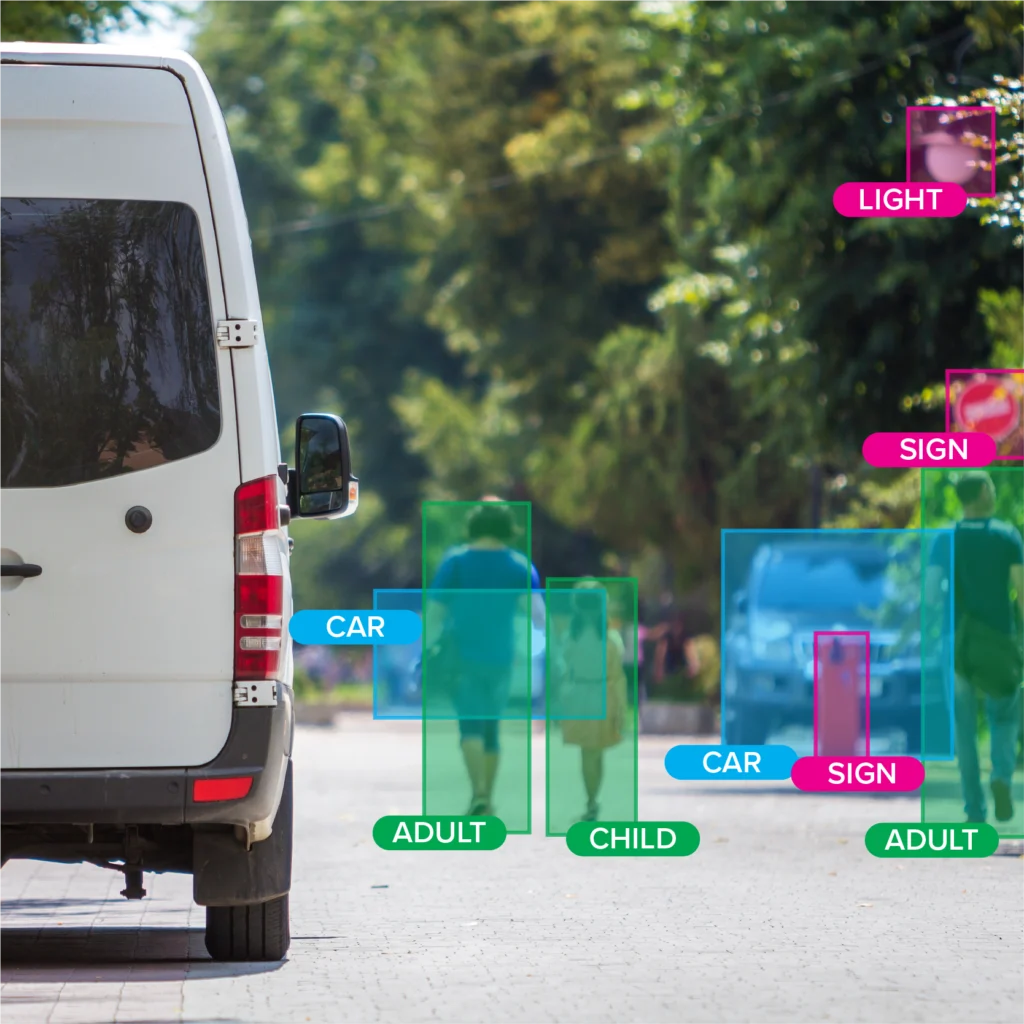
Annotated street scene showing pedestrians and vehicles for data labeling quality testing

A Guide To Choosing The Best Data Labeling and Annotation Company

Discussions about artificial intelligence and machine learning often revolve around two topics: data and algorithms. To stay on top of the rapidly advancing technology, it’s crucial to understand both.

To explain it briefly, AI models use algorithms to learn from training data and apply that knowledge to achieve specific objectives. For this article, we’ll focus on data. We will explore associated challenges when choosing a data labeling and annotation company for your ML projects and everything else you need to know before outsourcing your projects.

What is Data Labeling and Annotation?

Data annotation is a process for categorizing and labeling data to successfully deploy AI applications. Building an AI or ML model that offers a human-like user interface or functionality, requires large volumes of high-quality data to be trained upon. This training data is accurately categorized and annotated for specific use cases to build precise ML models that generate highly accurate results.

This data is trained on huge data sets such as videos, images, texts, graphics, and more for specific use cases, and in the case of ADAS like self-driving cars various types of annotation techniques are used after acquiring data from multiple sensors such as LiDAR, radar, ultrasonic and cameras.

You can read more about it in this blog: Multi-Sensor Data Fusion in Autonomous Vehicles — Challenges and Solutions

AI models are constantly fed enormous amounts of data to train AI models so they can generate accurate results and be used for specific tasks such as speech recognition, chatbot, automation, and more. Data annotation and labeling can be applied to numerous use cases like natural language processing (NLP), computer vision, generative AI, and more.

Data Labeling and Annotation Challenges

The process of data labeling and annotation comes with its unique challenges, let’s discuss a few of them below.

Accuracy of Data Annotation

A study by Gartner revealed that poorly trained data can cost companies up to 15% of their revenue. Human error is quite common in the data annotation process, which can lead AI to generate inaccurate results or, worse, biased results.

Cost of Data Annotation

Data annotation is performed manually or automatically. Manual annotation requires considerable time, effort, and resources which can increase costs for annotation projects. Maintaining the accuracy and quality of these annotations can also lead to increased costs.

Scalability of data annotation projects

ML models are trained on a huge number of data sets and the volume of data increases over time, this leads to more complex annotations and time consumption. Many data labeling and annotation companies face the challenge of maintaining the accuracy and quality of trained data when the project needs to be scaled.

Data Privacy and Security

Data usually contains sensitive information such as medical records, financial data, personal information, etc, which raises concerns about security and privacy. A labeling company must ensure that they comply with relevant data protection rules and regulations and also follow ethical guidelines to avoid legal or reputational risks.

Training Diverse Data Types

Data comes in all shapes and sizes especially when it comes to autonomous systems which require ML models to be trained on various data types from diverse sensors and fused to see their surroundings. These data types require expert SMEs and experience in sensor fusion for autonomous vehicles.

Solutions to Overcome Data Labeling Challenges 

The challenges in data annotation get more complicated as the project expands or more data is needed to train ML models. Here are a few proven solutions to overcome these data labeling and annotation challenges.

Using Sophisticated Algorithms 

When dealing with intricate data sophisticated algorithms can be used for the annotation process. Deep learning methods like Convolutional Neural Networks (CNN) for image classification, can help labelers automate labeling tasks with better accuracy as it learn characteristics and patterns from the data itself. This is critical in managing diverse data sets and the intricacy of data.

Crowdsourcing

Crowdsourcing is a smart way to address scalability problems as it allows collaboration among numerous annotators, which enhances data quality, redundancy checks, and consensus-based data labeling to ensure the highest accuracy.

Active Learning Techniques 

Data annotation companies utilize active learning processes to choose the most informative instances for annotation. It enhances efficiency using iterative training on a subset of data and choosing uncertain samples for manual annotation while maintaining highest accuracy. This reduces the overall burden of labeling huge data sets and helps overcome scalability issues.

Annotation Training and Guidelines

To combat bias, subjectivity, and ambiguity in ML models, labelers need to set up clear guidelines for annotation projects. Data annotation companies must ensure annotators receive thorough training, constant feedback, and calibration sessions for establishing precision and accuracy. Furthermore, establishing a deep understanding of the project enhances the context of ML models, and increases the quality of labeled data.

Methods You Can Use for Data Training

Here are some methods that you can use to label your data.

Internal Labeling

Using an in-house data labeling team can simplify tasks and provide greater accuracy and quality of trained data. However, this approach requires more time and effort which gets in the way of focusing on the primary objectives of the project.

Synthetic Labeling

This approach generates new data for the project from pre-existing data sets, which reduces the time in collecting data from organic sources. However, the accuracy of the quality of generated results in ML models can be compromised as the training data was generated synthetically.

Programmatic Labeling

Allows companies to use an automated data labeling process instead of human annotators, which helps reduce the cost of training data. However, this approach can encounter technical problems and lead to biased or inaccurate results as they are not verified with SMEs. This challenge can be tackled using a humans-in-the-loop approach where manual verification and validation are done to cross-check labeled data sets and verify generated results.

Outsourcing

You can outsource your data training projects to data labeling companies, which reduces the overall burden and allows you to focus on your primary objectives. Annotation companies have a pre-trained staff for specific industries, subject matter experts, relevant hardware resources, and pre-built labeling tools, that allow convenient ways to train your data with the highest accuracy.

Why Choose Us as Your Data Labeling and Annotation Services Provider?

At Digital Divide Data (DDD), we are committed to providing you with the precise and reliable data needed to power your ML projects. Here’s why you should choose us as your data labeling partner:

Expertise Across Multiple Domains

Our team consists of industry-specific subject matter experts (SMEs) who understand the intricacies of various data types, such as autonomous driving, finance, government, AgTech, and more. We ensure that your data is accurately labeled with the expertise required to meet the specific needs of your AI application in your relevant industry.

Human-Driven Accuracy and Precision

While automation can help scale the data labeling process, we believe in a human-in-the-loop approach to ensure accuracy, context, and relevance. Our team manually annotates data using contextual clues, ensuring that even the most complex and varied data, is labeled correctly. This reduces the risk of errors and biases that are often introduced by automated systems.

Scalability Without Compromise

We use a combination of advanced algorithms, crowdsourcing, and active learning techniques to efficiently handle large-scale annotation projects. Our ability to quickly adapt to your growing data demands means you can focus on building and deploying your ML models without worrying about scalability.

Data Privacy and Security

We recognize the importance of confidentiality and data protection when working with sensitive information such as financial records, healthcare data, personal details, etc. We ensure secure infrastructure and commitment to ethical data practices to protect your information throughout the labeling and annotation process.

Final Thoughts

Choosing the right data labeling and annotation company is a crucial decision for the success of your AI and ML projects. The quality of training data directly impacts the performance of machine learning models, making it essential to work with a partner who not only understands your industry’s unique needs but also employs best practices for ensuring data accuracy, security, and scalability.

Focus on driving innovation with data, labeled for precision, context, and deployment. Talk to our experts and learn how our autonomous vehicle solutions can help you reach the full potential of your ML models.

A Guide To Choosing The Best Data Labeling and Annotation Company Read Post »

Workforce

The Art of Data Annotation in Machine Learning

Data annotation in machine learning is the process of labeling raw data, such as images, video, text, and audio, so that algorithms can recognise patterns and make accurate predictions. Data annotation has redefined machine learning by taking the spotlight for developing efficient and reliable machine learning algorithms. The market for data collection and labeling was valued at USD 3.77 billion in 2024 and is projected to reach USD 17.10 billion by 2030, growing at a CAGR of roughly 28.4%.

Data annotation helps a machine learning model to predict and fine-tune its assumptions accurately. This ranges from autonomous vehicles to facial recognition by a smartphone and much more. It plays a significant role in converting visual data into interpretable information. Now that the basics are covered, let’s explore more about data annotation and its use cases in machine learning.

What is Data Annotation?

Data annotation is the systematic process of labeling, tagging, or marking information in images, videos, or text to help AI models perceive the world as we humans do. Generally, data annotation acts like a teacher for students (AI and ML models) to learn the patterns and behaviors for better prediction and smoother result generation. Thus, helping it to understand human behavior and language from a better perspective. The people who carry out this work are known as data annotators, and in most machine learning pipelines they label data with a human in the loop so that every example stays accurate, consistent, and ready for model training.

Through data annotation, AI and ML models can easily function in complex environments and interact with users like Virtual Assistants. In computer vision, auditory and visual data are processed at a higher level to provide users with accurate results. Other use cases for data annotation range from algorithms for healthcare diagnostics to precision farming, paving the way for converting unstructured raw data into insightful information.

The Art of Data Annotation in Machine Learning

Data annotation isn’t a one-stop solution to train your ML models. Instead, it is a customized solution that helps train your machine-learning model for its functionalities and data sets. Thus, to understand the different types of data annotation in machine learning, a few techniques are described below.

Data Annotation for Object Detection

Data annotation helps machine learning models in the detection of objects, assisting autonomous vehicles with navigation and providing better driving assistance. In supply chain management, it can also be used in warehouses to locate different types of items, track movement, and manage inventory.

Audio / Video Annotation

Annotation spans far and wide, and its application in audio and video is undeniable. Facial recognition in security systems is a perfect use-case scenario for image data annotation, used in smartphones. Similarly, video is another area where data annotation helps in identifying moving objects, which is crucial in applications like traffic monitoring and sports analysis. Speech recognition and voice identification are the brainchild of data annotation, where audio files are transcribed and labeled using machine learning algorithms.

Emotional and Sentimental Annotation

Computer vision helps in deciphering the emotional and sentimental quotient in the audio/text file to provide inputs on customer behavior and opinions. This is perfect for assessing customer feedback and survey reports across digital platforms.

Natural Language Processing Annotation

NLP annotation trains the machine learning models to understand the contextual tone of the user to provide relevant feedback in real-time. It is done by either tagging certain contexts or parsing sentences to understand the data entered by the user. This technology is responsible for the development of various chatbots and virtual assistants.

Annotation in SEO Enhancement

Data annotation helps in optimizing the generated results in a search engine. Certain keywords are tagged such that algorithms can quickly navigate various URLs and load pages relevant to a particular keyword. However, certain guidelines and parameters are laid down by the search engine to showcase genuine URLs.

Learn more: Computer Vision Trends That Will Help Businesses

Simplifying The Process of Data Annotation

Data annotation follows a structured, sophisticated, and layered approach to ensure that the machine-learning model is functioning successfully. To understand these steps, we have segregated them for better understanding. In short, this is how data annotation works in practice: a sequence of well-defined stages that turns raw, unlabeled data into a reliable training set.

Task and Guidelines Definition

The first and foremost step is to lay down the foundation of the project, in which the objectives, goals, scope, and intent behind the data annotation process are to be defined clearly. It is necessary to determine the level of annotation required along with the format and type of data sets.

Incorporation of High-Quality Data Sets

For the smooth functioning of any machine learning model, data quality is most important. Data can be in any form such as videos, audio files, text, and images. Ensure that you gather only high-quality data since the output quality of the machine learning system is proportional to the data it was trained on.

Choosing the Right Data Annotation Tools and Services

Once the data is gathered, the next step is the selection of data annotation services that are completely based on your requirements. However, ensure that the service you choose offers robust results and scalability potential for the project. A rule of thumb in selecting the data annotation service is to understand the format & type of data, and the level of annotation required. Based on these factors, you can choose the appropriate tools and services that fulfill your project requirements.

Quality Control

Quality control is an ongoing process in data annotation. However, once the data is completely annotated, testing models for inaccurate data is key. Having manual and automated interventions can help streamline the process of identifying errors and inconsistencies. Once the model is trained, implementing it in real-life applications can help in identifying errors and scope for improvements. Do remember that based on your project, the machine learning model will need continuous refinement (and training based on the new dataset) to ensure smooth operations.

Learn more: The Impact of Computer Vision on E-commerce Customer Experience

AI-Powered Data Annotation Tools for Machine Learning

For years, data annotation was almost entirely manual, with annotators drawing every bounding box and tagging every word by hand. That has changed quickly. Modern annotation tools now pair human reviewers with AI models that can pre-label data automatically, a workflow often called model-assisted or auto-labeling. The goal isn’t to remove the human, but to let people spend their time reviewing and correcting rather than starting from a blank canvas.

The clearest example is Meta AI’s Segment Anything Model (SAM). Released in 2023 and trained on more than a billion image masks, SAM can isolate almost any object in an image from a single click. SAM 2 extended this to video in 2024, and SAM 3 followed in late 2025 with text-prompted, open-vocabulary segmentation. If you’ve ever wondered how to use Segment Anything for labeling, the honest answer is that most teams never touch the raw model at all, rather they access it inside an annotation platform that quietly turns one click into a clean polygon.

A handful of platforms have become the everyday workhorses for ML annotation, and most now embed SAM-style auto-labeling:

  • CVAT: an open-source ML annotation tool for image, video, and 3D data, with built-in SAM-powered auto-labeling and quality-control workflows.
  • Label Studio: a flexible, open-source tool that handles text, image, audio, and time-series data in a single interface.
  • Roboflow: popular for computer vision, with one-click Smart Polygon labeling powered by Segment Anything.
  • Labelbox and Scale AI: enterprise platforms built for large teams that need governance, throughput, and managed services at scale.

No tool removes the need for judgement. AI can accelerate the routine data labeling tasks, but human review remains the difference between a dataset that merely looks finished and one that is genuinely accurate. Which is exactly why a human-in-the-loop model still matters.

Future Challenges of Data Annotation in Machine Learning

The future of data annotation looks promising and dynamic. It has evolved by leaps and bounds in supporting various technologies and enhancing their productive outcome. But with progress, there are always challenges that need to be addressed. Some of these challenges are discussed below.

  • In the process of training machine learning models, using oversensitive and private data will always be a challenge. Thus, a code of conduct must be established to ensure that ethical standards are maintained during the whole annotation process.
  • While data annotation is a boon to modern technology, cost and time are factors that cannot be denied. Constant development needs to be made to ensure that the expenses and time taken in the overall process of data annotation are brought down.
  • As every company jumps on the bandwagon of implementing data annotation with their machine learning models, the future looks demanding. However, implementing data annotation onto these complex, data-hungry machine learning systems is still a hurdle limited due to today’s technology and infrastructure.

Conclusion

Data annotation has become a cornerstone in the development cycle of any AI or ML model. It plays a vital role in laying the foundation for training ML models on the datasets. It increases the efficacy and performance of these systems based on the use case scenario. Although riddled with challenges, it is set to become more sophisticated with constant strides being made in technology and innovation. Done well, data annotation for machine learning is what separates a model that only works in a demo from one that performs reliably in the real world.

If you want to simplify your data annotation process, you can rely on Digital Divide Data’s end-to-end high-quality human-in-the-loop data annotation solutions.

Frequently Asked Questions

What is data annotation in machine learning?

Data annotation in machine learning is the process of labeling raw data, like images, video, text, or audio, with tags that tell an algorithm what each example represents. Those labeled examples are what a model actually learns from during training.

What does a data annotator do?

A data annotator is the person who reviews raw data and applies those labels, following a clear set of guidelines. In most pipelines, they work as a human in the loop, checking and correcting AI-generated labels to keep the dataset accurate and consistent.

How does data annotation work?

It usually moves through four stages: defining the task and guidelines, gathering high-quality data, labeling it with the right tools or services, and running quality control. The model is then trained, tested, and refined as new data arrives.

What is the difference between data annotation and data labeling?

The two terms are often used interchangeably. Data labeling usually refers to attaching a simple tag or class to a piece of data, while data annotation is the broader term that also covers richer markup such as bounding boxes, segmentation masks, and linguistic tags.

The Art of Data Annotation in Machine Learning Read Post »

DDDDataAnnotationService 1

5 Best Practices To Speed Up Your Data Annotation Project

A California-based company used an AI model that was trained using video annotation through a combination of human annotators and automated tools to read motion, visuals, and label targets in the video footage. This allowed the company to use its AI model to predict traffic congestion, improve road planning, and prevent road accidents.

Artificial intelligence and automation systems are getting more intelligent with better inputs used to develop these AI models. Various computer vision algorithms gather and train data sets to enhance robotics, drones, self-driving cars, etc. Training data can be a lengthy process if you don’t follow a definitive strategy and objective-based planning for an effective data annotation project. In this blog, we will discuss 5 best practices to speed up your data annotation project.

What is Data Annotation in Machine Learning?

Data annotation is the process of creating data sets like text, images, and videos for computer vision algorithms. The data labeling process follows a specific technique to annotate data for text, images, and videos as an initial input that can be supplied to machine learning algorithms which read and understand it to perform accurate outputs.

Why Data Annotation is Important?

Data labelling is the backbone of AI models which enables them to perform functions using the provided data sets and make predictions to create new functions. This process involves data labeling of relevant tags, metadata, and annotations, which helps the system to identify patterns and make accurate decisions. Data annotation is what determines the accuracy, performance, and accuracy of AI and machine learning models.

There are various strategies involved in the data annotation process which include image annotation, video or audio annotation, text annotation, LiDAR annotation, and more. Each technique can be used for unique AI-specific projects. For example, automated cars use a highly trained data set that is used by large automotive companies such as Tesla, to build and operate in real-time situations.

How To Speed Up Your Data Annotation Project

Use Ground Truth Data Annotation 

Ground truth data annotation refers to human-verified data that can be used as facts. When you involve humans in the verification and classification of data sets the algorithm’s logical decision-making accuracy goes high and you get accurate outputs. You need these accurately trained datasets while creating a foundation for your AI projects. Ground truth data labeling can fast-track your annotation process and maximize quality.

Decide The Type of Annotation

Before starting the data annotation project you should decide the type of annotation you require. This will make complicated functions simpler in the long run i.e. streaming services or online shopping platforms. Let’s discuss a few use cases for more clarity.

While using Image annotation keywords, tags, captions, identifiers, etc, to help the AI model read annotated data as a different item. These algorithms can then understand and classify these set parameters and learn automatically. A Swiss food waste solution company trained thousands of food images to train their AI model. This company has helped world-renowned restaurants and hotels tackle the problem of food wastage by instantly analyzing food waste using their AI model.

Similarly, text annotation is used to classify emotions, fun, anger sarcasm, or abstract language. Moreover, text annotation and audio annotation are disrupting the music and entertainment industries as we speak.

Many manual annotation tools offer a friendly user interface and intuitive functionality that can make your data labeling process easier. They offer a range of annotation tools such as bounding boxes, cuboids, polygons, key points, instance segmentation, semantic segmentation, and more.

Combine Artificial and Human Intelligence

A combination of humans and AI is the perfect blend to build the most efficient and effective AI models. AI systems have been developed that can make optimal decisions with large data sets but nothing can surpass the human recognition pattern with even small or poor quality data sets. Leveraging the human annotator’s abilities and machine learning’s target mapping for large datasets can be the best approach to speed up AI projects with an effective data annotation strategy.

Learn more: Why Data Annotation Still Needs a Human Touch

Adopt Latest Technologies 

In the global AI industry, we are seeing huge adoption of automated labeling for speeding up the annotation process and improving the security and accuracy of data sets. You can leverage these latest trends to gather large sets of data and reduce manual input for faster results.

Neurosymbolic AI has increased the statistical knowledge of ML frameworks and reduced dependency on humans. In turn, you can save a lot of time, costs, and effort in the whole data annotation process.

For large data, you can significantly speed up your entire labeling process by leveraging AI tools that can label data points based on predefined patterns or rules from existing trained annotations. SuperAnnotate is one such example that uses ML to accelerate your data labeling process. It offers features like auto annotation of data sets and active learning that are perfect for large annotation projects.

Learn more: Human-Powered Data Annotation vs Tools/Software

Outsource Your Data Annotation Project

When acquiring correct data sets and performing the data labeling process gets complicated and costly you should consider levering the services of data annotation solution-based companies. These companies are experts at labeling and training machine learning algorithms with the correct data sets, this will allow you to speed up your development project by focusing on your expertise in artificial intelligence. These third-party data labeling companies offer highly accurate trained data sets that can be customized as per your project needs.

Conclusion

If you want to speed up your AI project’s data annotation you should leverage ground truth, identify your data annotation requirement, use combined efforts of human and machine annotators, use the latest technologies, and consider outsourcing your data annotation process to a third party.

By speeding up and scaling your data annotation project businesses can acquire a competitive advantage in this data-driven world. The accuracy and effectiveness of your AI models depend on meaningful annotations that can drive innovation and business value. You can explore DDD’s computer vision data annotation services to fully annotate your AI projects.

5 Best Practices To Speed Up Your Data Annotation Project Read Post »

Scroll to Top