Celebrating 25 years of DDD's Excellence and Social Impact. ✖

Image Annotation

Healthcare2BDDD

The Emerging Role of Computer Vision in Healthcare Diagnostics

By Umang Dayal

April 8, 2024

Transitioning towards the 21st century, the entire healthcare sector has revolutionized its technological implementations. From the usage of robots in surgeries to AI & ML for the rendering of organs, the applications of computer vision in healthcare diagnostics are significant. Out of these multiple applications, computer vision stands apart, enabling machines and algorithms to interpret, understand, and analyze data.

Computer vision allows machines to see and react based on pre-determined parameters. When this technology is implemented in the healthcare domain, it enables precise disease detection and accurate X-ray, MRI, and CT scan assessments. Now that we have a basic understanding of computer vision, let’s delve deeper into how it is revolutionizing healthcare diagnostics.

Benefits of Using Computer Vision in Healthcare

Improving Safety 

We all know that hospitals are the hotspots for various diseases, germs, and infections. In recent scenarios, computer vision has been highly effective in detecting diseases and allowing proactive decisions for safety and hygiene. They can analyze patient rooms and surfaces for cleanliness, detecting dirt, dust, and other forms of contamination that could be harmful to patients and staff. CV can ensure that medical equipment is properly sterilized before use, reducing the risk of disease transmission. Some CV systems can monitor air quality and detect the presence of airborne pathogens in hospital environments.

Enhancing Treatment Procedure

Computer vision helps in rectifying human error when it comes to the identification of anomalies in medical imaging—in turn causing a domino effect by reducing medical costs, targeting treatment, and improving the way of life. The same has been confirmed by a study that was conducted on a deep learning algorithm which was effective in detecting conditions such as diabetic retinopathy from retinal fundus photographs.

Streamlined Resource Allocation

Hospitals need to ensure that all departments work in harmony to provide timely and appropriate treatment to each patient. However, computer vision takes it to a whole new level wherein it ensures that all assets are optimally distributed based on demand and supply. Thus, resulting in reduced wait time and optimal use of medical resources.

Automating Tasks

Automation of data entry tasks can be easily replaced by AI and ML models, computer vision expands the probability of solving challenging tasks, which include counting cells in a test tube sample, storing or processing images for better understanding, identifying and measuring tumors, and much more. Additionally, computer vision has enabled healthcare operations to enhance accuracy and reduce human errors by diminishing labor dependency.

Learn more: The Evolving Landscape of Computer Vision and Its Business Implications

Enhancing Patient Experience

Computer vision in healthcare assists in the identification of medical emergencies, by processing data faster leading to shorter wait times. In turn, this leads to better personalized medical care and an immediate call to action during underlying conditions. This results in improved patient care, higher retention rates, more referrals, and better growth opportunities for treatment centers.

Improved Patient Identification 

With advancements in facial recognition software, medical computer vision systems can seamlessly locate records and verify patient identity. While wide-scale implementation has not been achieved, a study revealed 100% success in making predictions for patient identification, paving the way for correct treatment and medication for the right patient.

Learn more: Deep Learning in Computer Vision: A Game Changer for Industries

Computer Vision Utilized in Healthcare Diagnostics

We have provided a comprehensive overview of different segments where computer vision excels in replacing traditional methodologies in treatment and healthcare diagnostics.

Radiology

Radiology has been one of the first departments in healthcare to adopt computer vision. Radiologists depend on DICOM medical imaging data which is the culmination of data & information coming from multiple sources, and the use of computer vision takes innovation to another level. The implementation of advanced algorithms to detect objects has made image analysis seamless and efficient for medical experts. With the increased adoption of technological innovations, doctors and radiologists can determine new tissue formations, identify microscopic bone fractures, and monitor long-term treatment results.

Dermatology

Through the implementation of advanced AI and ML models enhanced using computer vision technology, doctors can accurately diagnose patients for their skin conditions. By training AI models over a sequence of images and videos to accurately predict skin conditions and even detect cancer & benign formations. Furthermore, computer vision is being utilized in dermatology for the detection of skin diseases at an early stage and formulation of a personalized skincare routine based on skin types.

Cardiology

Computer vision helps doctors understand and monitor congenital heart diseases and detect any kind of heart anomalies. During surgeries, doctors can use dedicated CV models to visualize blood flow in arteries and approximate blood loss.

Orthopedics

Orthopedics utilizes computer vision technology on a wide spectrum covering preoperative, intraoperative, and postoperative areas. The application of CV models, helps surgeons to plan operations effectively, plan MRI-based arthroplasty, and even integrate robotic surgery to get the best result during treatment.

Ophthalmology 

Computer vision helps in the detection of early-stage eye abnormalities, analysis of the retina, eyesight tracking for accurate eye correction, and pre-operative planning for patients. There are plenty of CV applications that leverage computer vision using mobile phone cameras to detect early-stage eye diseases in children and adults.

Future of Computer Vision in Healthcare Diagnostics

Computer vision is still in its nascent stages and the growth potential is huge. Adjusting treatment in real-time and monitoring patient care around the clock would soon become a reality. Thus, taking personalized care to a whole new level. Computer vision will become much smarter and more efficient in its output because of cleaner and better quality data sets and ever-evolving advanced algorithms.

Conclusion 

Healthcare diagnostics is just one of the many fields that have witnessed radical developments made by computer vision. It has paved the way for exceptional capabilities in diagnostics such as abnormality detection, surgery assistance, improved eye correction, and much more. It has transformed how surgeries are conducted and medical processes are executed while improving the chance of success.

Computer vision has helped in the disruption of several traditional practices and paved the way for unparalleled automation and efficacy in healthcare. However, the success of computer vision implementation depends on the machine learning model and the data set it was trained upon.

At DDD, we specialize in delivering precise and comprehensive data preparation solutions. Our human-in-the-loop approach enhances AI and ML models, ensuring they offer robust support for healthcare diagnostics.

The Emerging Role of Computer Vision in Healthcare Diagnostics Read Post »

shutterstock 23407884312B252812529

Neural Networks: Transforming Image Processing in Businesses

A regular image can easily be transformed into “Starry Night”, a painting style used by Vincent Van Gogh. This process is part of an image manipulation technique that uses deep learning algorithms to transform images.

This blog will explore how machines perceive images, the function of neural networks, and commonly used image-processing techniques.

What is Image Processing?

Image processing involves enhancing existing images. It deals with manipulating digital images using computer algorithms for applications such as object detection, image compression, or facial recognition technology.

Computer vision along with deep learning algorithms can dramatically improve the performance of such models.

How Computer See Images?

Digital image processing deals with 2D or 3D matrices, where pixel values represent dimensions, known as intensity or pixels. The computer sees digital images as a function of I(x,y) where “I” denotes the intensity of the pixel and (x,y) represents coordinates binary, grayscale, or RGB images.

Computer image processing consists of various image-based functions such as.

1. Binary Image

Images with pixel intensity “0” represent black, and “1” represent white in binary images. Such an image processing method is generally used for highlighting colored parts of an image and also used for image segmentation.

2. Grayscale Image

Grayscale comprises 256 unique colors where pixel intensity of “0” denotes a black color and 255 represents a white color. All colors between 0 to 254 represent different shades of gray color.

3. RGB Color Image

The most commonly used images are RGB or colored images consisting of 16-bit matrices. This means 65,536 unique colors can be represented for each pixel. RGB simply means Red, Green, and Blue color channels of an image.

When the pixel value is (0,0,0)  it denotes black color and when it is (255, 255, 255) it signifies white color. Any other combination of these 3 numbers can denote different colors. You can see a few combinations of RGB colors below.

  • Red (255, 0, 0)

  • Green (0, 255, 0)

  • Blue (0, 0, 255)

4. RGBA Image

RGBA is similar to RGB with the addition of “A,” representing “Alpha,” which denotes the opacity range of the image from 0 to 100%.

Utilization of Neural Networks in Image Processing

Neural networks are revolutionizing the computer vision industry by allowing machine learning to analyze and understand images. Convolutional neural networks (CNN) have become one of the most popular techniques of image processing, where neural networks employ various methods to process images, recognizing them for training data or generating accurate results.

Some of the most common neural network image processing techniques include:

Image Classification: It signifies assigning a label based on the category of the image, whether it is an image of a cat, fish, or a dog.

Object Detection: This technique identifies different objects inside an image.

Image Segmentation: This converts an image into various regions of pixels that can be represented in a labeled image by masks.

Image Generation: The most commonly used computer vision technique where new images are generated based on certain criteria.

There are various other neural networks used in image processing such as landmark detection, image restoration, human post estimation, style transfer, etc.

Learn more: 5 Best Practices To Speed Up Your AI Projects

Most Common Image Processing Techniques

Image Enhancement

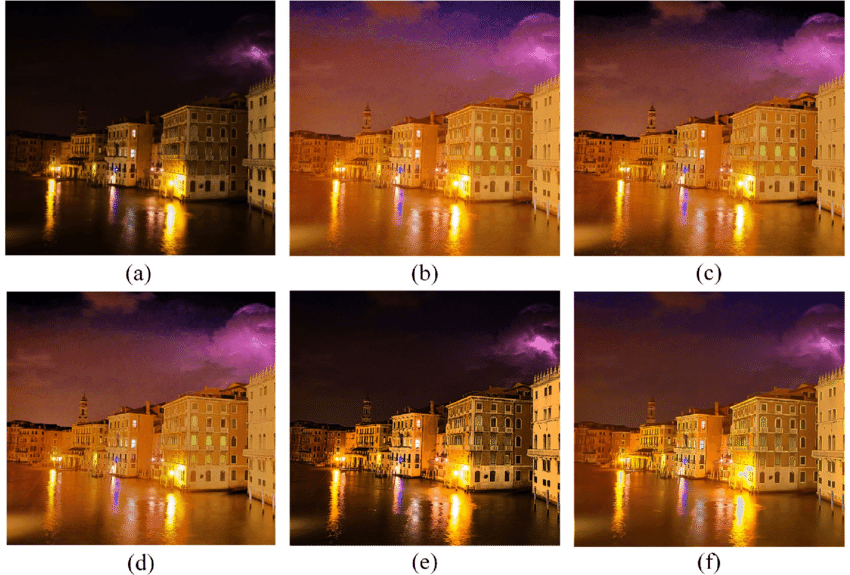
Image enhancement improves the quality of an existing image. It is widely used in remote sensing and surveillance systems. Image enhancement can be used to adjust the contrast and brightness of an image. Both brightness and contrast can be adjusted by multiple image editing applications making it lighter and clearer to see. The below image displays how image enhancement works; (a) is the original image used in the process.

Image+enhancement+DDD

Source: Study

Image Restoration

This image processing technique can be used to restore the quality of damaged or unclear images. This method is often used to potentially restore historically damaged documents or images. The image below shows how the image restoration process works.

image+restoration+DDD

Source: Guvi

Deep learning algorithms in computer vision can help reveal a lot of information from torn documents. An image restoration technique called image inpainting fills in missing information using pixels in the image. This is done using synthesis image algorithms to fill in missing information using pattern recognition techniques.

Read more: Everything You Need To Know About Computer Vision

Image Segmentation

Image segmentation is a computer vision technique to partition images into different regions or segments. Each segment in the image denotes a unique object which is mostly used in training data for object detection. The below image shows how image segmentation is used in the medical industry.

Image+Segmentation+DDD

Source: Paper

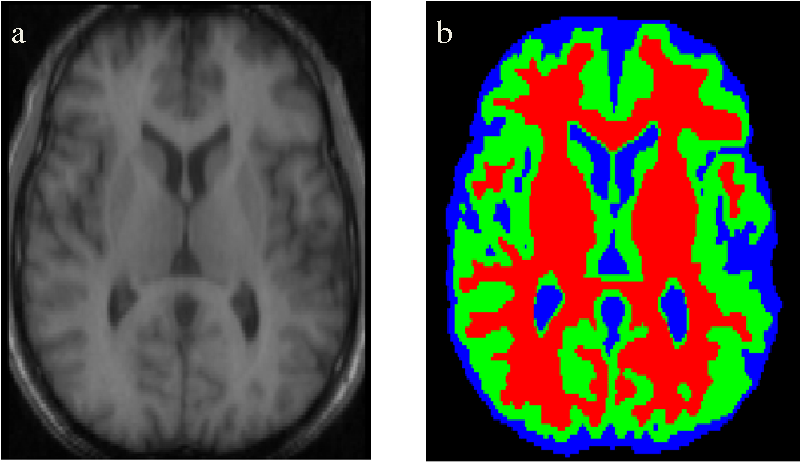
Binary thresholding is the most common approach in image segmentation. It’s a process where each pixel is either denoted by the color black or white. A threshold value is chosen at the start and any pixel that goes above the threshold level is turned white and pixels that go below the threshold limit are turned black. This method segments images distinctly using black-and-white pixel regions.

In medical imaging such as MRI segmentation multi thresholding technique is used where different image parts are converted into unique shades of grey color. An example of MRI image segmentation is shown below.

MRI+Image+segmentation+DDD

Source: Paper

Object Detection

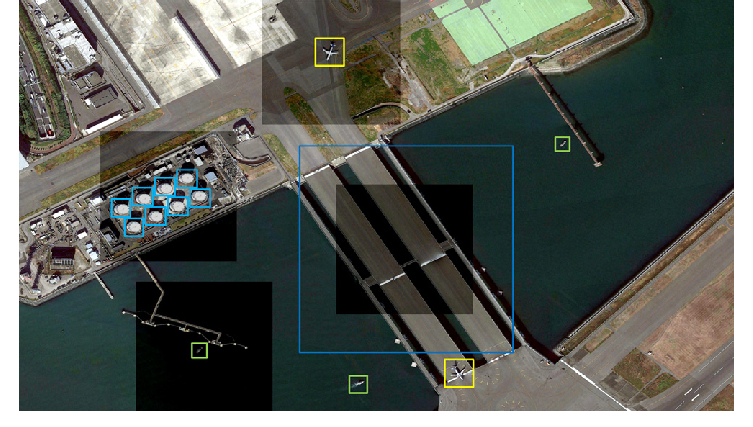
Object Detection is a method of identifying objects in an image using deep learning models. These neural networks detect objects using a bounding box which signifies the object with its class label. Convolution Neural Network (CNN) is designed for image processing to see patches in an image instead of dealing with a single pixel at a time. The image below displayed a use case for CNN in remote sensing.

DDD+remote+sensing

Source: Paper

Computer vision algorithms identify an object’s location in the image by creating a box around it. These inputs are analyzed to determine the object’s location by considering its height, width, and the position of the bounding box.

The most commonly used neural networks in object detection are:

  • R-CNN and Faster R-CNN

  • You Only Look Once (YOLO)

  • Single Shot Detector

  • Retina-Net

Read more: The Impact of Computer Vision on E-commerce Customer Experience

Image Generation

Neural networks are developed to understand large datasets of images and generate realistic images, a process also known as Image Generation. A complex process that generates new images based on the data set of input images. Several neural network architectures have been developed for image generation, including Variational Autoencoders (VAEs), Autoregressive Models, and Generative Adversarial Networks (GANs). Besides these architectures, there are a few hybrid solutions created by OpenAI such as DALL-E.

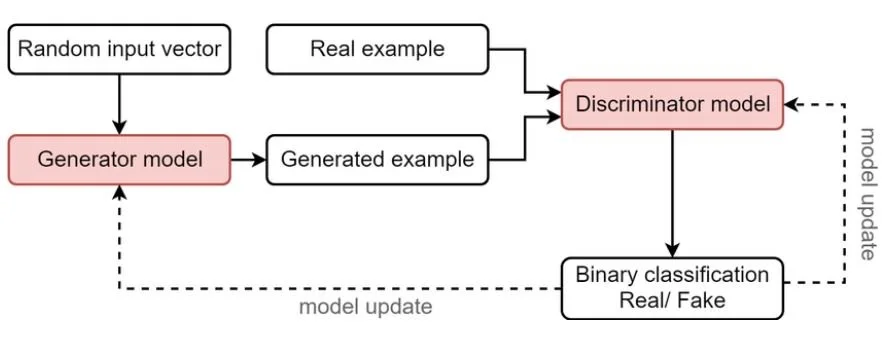
GAN includes two separate models; generator and discriminator. The Generator creates synthetic images that look realistic and try to fool the discriminator, while the discriminator acts as a critique to identify whether the image is real or synthetic. The image below explains the generic workflow of the Generative Adversarial Network.

GAN+DDD

Source: Paper

These two models work simultaneously through multiple iterations to produce high-quality photo-realistic images.

Final Thoughts

We have discussed a brief overview of how neural networks transform image processing. Each neural network has its own architecture and functionality in image processing to perform specific tasks. A lot of effort and image processing algorithms such as CNN work coherently to simplify business processes in computer vision.

We at DDD offer image processing services based on neural networks.

Neural Networks: Transforming Image Processing in Businesses Read Post »

Quality2BControl2Bwith2BComputer2BVision2BDDD

Revolutionizing Quality Control with Computer Vision

By Umang Dayal

March 22, 2024

According to McKinsey & Company, businesses that utilized computer vision for quality assessments reported a 90% improvement in detecting defective items.

By imitating human vision, computer vision can identify product defects, measure dimensions, classify objects, and accurately assess quality. Let’s learn more about computer vision use cases in quality assurance and how it is transforming various industries.

Computer Vision Enhancing Quality Control

Computer vision is a subfield of artificial intelligence that develops ML models capable of understanding, interpreting, and identifying visual data. CV technology can be deployed in manufacturing processes via sensors, cameras, and radars to offer real-time analysis, allowing quick decision-making and reducing errors.

CV models are invaluable assets for quality control which allows integration of automation in the production line, avoids incorrect supply chain management, and reduces costs. The time and effort required for manual labor are reduced significantly, and talent can be allocated to more decisive functions.

Computer vision is already streamlining quality control and verification processes for many industries. In the FMCG category, where each product contains a specific expiry date, APRIL Eye combines ML algorithms with computer vision to simplify the traditionally used date code verification system. If the date code seems incorrect, the production line comes to a halt so no expired product is released in the supply chain. This whole verification method is fully automated to save time and allow FMCG products to achieve full traceability and efficiency.

How Computer Vision is Revolutionizing Quality Control

Enhancing Defect Detection

Computer vision models can be trained to analyze images or videos of items to detect flaws and abnormalities. These systems can assist in identifying minor faults, and critical defects and provide real-time alerts to manufacturers to take immediate corrective measures.

Computer Vision used for Coating Inspection

The first thing that buyers see after unpacking medicines is the coating of tablets. This is the major reason why pharma companies are extremely particular about coating instructions.

Computer vision can be used for coating inspection and quality assurance. These CV algorithms can analyze large quantities of tablets, and if a pill does not meet the standard criteria, the system will display rejected tablets for manual inspection. CV systems can inspect thousands of tablets in an hour and reduce the load for manual inspection of such tiny objects.

Computer Vision Battling Corrosion

Oil and gas companies use specialized CV systems for identifying corrosion on their offshore and marine structures. They cannot gather sufficient data from these offshore structures due to their large dimensions and inaccessible areas. Computer vision-integrated drones can be used to gather this data and identify the exact location of damages. These CV systems can evaluate the damaged areas and see real-time pictures of corrosion to take corrective actions.

Precision Measurement and Dimension Analysis

Advanced computer vision systems utilizing high-resolution cameras and sensors can measure various attributes such as height, weight, length, angles, and distance of objects. The machines can measure these attributes against predetermined specifications to ensure every product meets the required standards. When implemented practically, these CV systems allow manufacturers to maintain product consistency and prevent additional costs.

Read more: The Impact of Computer Vision on E-commerce Customer Experience

Real-time Monitoring and Process Control

Computer vision allows real-time monitoring of the supply chain operations. These AI-driven CV systems can capture visual data and analyze objects in a production line, allowing the workforce to identify deviations and take corrective actions.

Manufacturing companies can utilize these insights to make informed decisions and optimize the production process. Real-time monitoring and process control help identify defective products at the early stage to prevent large-scale production of deficient items or increase additional costs.

Seamless Integration

Manufacturing processes can be easily integrated with computer vision technology for seamless automation and efficient operations. CV models can assist manufacturers with uninterrupted quality assessment and inspection adhering to standard protocols. These systems can provide data insights by analyzing market trends, failure patterns, and scope for improvement.

Automated Defect Detection

A major challenge in quality control is the identification of defective items, which can be time-consuming, costly, and contain the potential for errors. Computer vision models can be utilized to analyze defective items and compare them to pre-defined standards. These automated CV algorithms can improve accuracy, reduce costs, and minimize human error.

Quality Control through Visual Inspection

Human quality inspectors can miss minor defects due to fatigue, overwork, or tired eyes. Computer vision can work non-stop for a longer period of time as it is not limited to human capabilities. These machines can perform visual inspection with more accuracy and without witnessing general fatigue or tired eyes. By minimizing manual processes and deploying a human workforce in a more efficient and decisive role, companies can expand operations and focus on achieving customer satisfaction.

The Future of Computer Vision in Product Inspection

Food Marketing Institute recently conducted a survey, and it revealed that 68% of retail grocery stores are considering the adoption of computer vision as their top investment priority. Another study, published by the International Journal of Engineering Research and Technology emphasized the importance of computer vision in quality control and defect detection, which can achieve 98.5% accuracy in various industries.

As computer vision technology is expanding rapidly we can expect more innovations in quality control and defect identification. Companies adopting CV systems will improve their overall production efficiency by analyzing real-time insights, reducing defects, and quality control. Computer vision technology can be integrated with other innovative technologies such as the Internet of Things (IoT) and robotics to enhance productivity and optimize operations.

Final Thoughts

Computer vision’s ability to automate product inspection can revolutionize how manufacturers maintain and manage quality. With data-driven CV systems, businesses can minimize human error and ensure that flawless products reach the market. These CV algorithms are simplifying how the quality inspection process is conducted and operations are automated for improved efficiency, and cost reduction. This revolution can immensely boost customer satisfaction and enhance brand loyalty.

If you are looking for innovative computer vision solutions for quality control, DDD can assist you with their highly accurate human-in-the-loop annotation services.

Revolutionizing Quality Control with Computer Vision Read Post »

shutterstock 1869592531

Deep Learning in Computer Vision: A Game Changer for Industries

Humans learn from experience and so do the machines.

Deep learning is an application of AI that can improve its performance with more data, after which it can perform specific functions such as driving a car, detecting fraudulent activities, recognizing voice commands, and much more. In this blog, we will discuss the application of deep learning in computer vision and how it’s transforming various industries.

What is Computer Vision?

Computer vision is an application of artificial intelligence that allows machines to interpret and extract information from visual data such as images, videos, and texts. The goal of CV systems is to develop smart computers that can recognize and process visual content to perform dedicated functions. This technology has been prominently used in autonomous cars, video surveillance, supply chain management, agriculture, etc.

Understanding Deep Learning

Deep learning is a machine learning process inspired by the human brain functionality. It uses artificial neural networks (ANN) to train and develop large datasets using multiple layers of information units called Neurons. Each neuron is trained to perform its operation and sends its output to other neurons until the desired result is achieved. These neural networks are developed on multiple parameters enabling them to process complex information.

The most widely used neural networks are:

  • Convolutional Neural Networks (CNN)

  • Recurrent Neural Networks (RNN)

  • Generative Adversarial Networks (GAN)

The most successful neural network in computer vision is CNN which has been successfully implemented in the healthcare and aerospace industries.

How Deep Learning is Transforming Industries?

Transportation

Deep learning has allowed seamless analysis of traffic using relatively cheaper surveillance systems. Using a wide variety of sensors such as LiDAR, CCTV, and thermal imaging, it is much easier to track, identify, and segment vehicles in populated cities. Computer vision enables automatic detection of road violations such as speeding, wrong-way driving, illegal turning, skipping red lights, and accidents.

Deep learning systems have facilitated the widespread implementation of effective parking occupancy detection using CCTV cameras. This benefits parking spaces with low-cost maintenance, easier management, sophisticated installation, and better space allocation.

Healthcare

Using deep learning models such as image recognition scientists and medical experts can differentiate between cancerous and non-cancerous MRI scans. In practical use cases, deep learning has been highly effective in detecting serious health conditions such as strokes, heart attacks, skin cancers, etc.

Computer vision allows clinical diagnostics to accurately analyze patient movements using pose estimation algorithms. The rehabilitation programs built using deep learning models are helping patients to move correctly and prevent any future injuries.

Sports

Deep learning models can identify the patterns and movements of athletes through images or recorded videos. Cameras installed above and below the water level can accurately detect swimmers’ poses in real time. Using convolutional neural networks trainers can automatically gather necessary data to improve the speed and body movements of athletes.

Computer vision is also used in Tennis to detect and categorize player strokes, which can be later analyzed by instructors to improve player strength and agility. In team sports, deep learning methods such as motion analysis are utilized to gather trajectory information from recorded videos, for improving game strategy and planning team lineups.

Banking & Finance

Deep learning has effectively prevented financial losses and secured customer portfolios. Machine learning algorithms built using deep learning are used for anomaly detection, behavioral analysis, and predictive modeling to detect and prevent fraudulent activities.

After leveraging deep learning, banks can easily analyze large volumes of data from social media, market trends, news, etc., and identify patterns to make risk assessments for their clients. This allows banks and financial organizations to make informed decisions and avoid potential risks. Deep learning is widely used to analyze customer behavior and patterns from website or app interaction. This information is used to recommend personalized financial products and services as per customer requirements.

Retail & E-Commerce

Deep learning has improved overall customer experience and increased sales for eCommerce and retail businesses. Using deep learning algorithms, companies can analyze various types of consumer data such as purchase history, buying habits, and user preferences. Subsequently, they can then use this data to recommend personalized products.

Neural networks allow retailers to forecast product demand, study market trends, and monitor social media activity to meet future demands and avoid understocking or overstocking products, leading to increased efficiency and saving inventory costs.

As eCommerce is gaining popularity fraudulent purchases and stolen credit card information has become a major concern. Deep learning algorithms can safeguard retail and eCommerce businesses from such suspicious activities and take a proactive approach to maintaining safety protocols.

AutoNOMOUS Driving

One of the most applicable uses of deep learning is autonomous driving. Companies such as Tesla, have developed fully autonomous vehicles that can navigate through traffic, read road signals, avoid obstacles, etc. These algorithms are built using computer vision technology that utilizes a combination of cameras, LiDAR, radar, and sensors to gather real-time information from its environment. This data is processed using neural networks to make crucial automated decisions while driving such as steering, accelerating, and braking.

Deep learning is also transforming the way engineers design cars. They can use Generative Adversarial Networks (GANs) to generate various car designs based on specific standards such as aesthetics or aerodynamics. These GAN models are trained on large visual data sets of existing cars to generate desired results based on specific criteria.

Learn more: The Art of Data Annotation in Machine Learning

Education

Educational institutes are leveraging the deep learning technology to revolutionize how students learn and teachers teach in the classrooms. Deep learning sophisticated algorithms allow educators to create custom learning modules for individual students based on their learning styles and preferences. This personalized learning makes studying easier and improves academic performance.

Language learning and translation is another field where deep learning is making waves. Schools enroll students from diverse backgrounds and language barriers can always hinder communication and the learning process. With advancements in NLP, machine learning models can quickly and accurately translate texts from another language in real-time. These deep learning capabilities are making classrooms more inclusive and interactive for training a global workforce.

Grading and assessing students is another crucial and time-consuming process that is prone to errors. Deep learning assessment tools can automatically grade students based on scoring algorithms, allowing teachers to see real-time insights and identify areas for improvement.

Final Thoughts

Deep learning is not only transforming the autonomous driving industry, it is a powerful driving force behind innovations in various fields such as retail, eCommerce, sports, finance, education, and much more. Neural networks built on deep learning algorithms simply human processes, reduce costs, study market trends, and understand user behavior. However, training deep learning models requires a lot of data, time, and expertise. This is where DDD comes in, our humans-in-the-loop annotators can help you train large amounts of data with the highest accuracy rate.

Deep Learning in Computer Vision: A Game Changer for Industries Read Post »

DDD2Bblog2Bcomputer2Bvision

The Evolving Landscape of Computer Vision and Its Business Implications

How do you instruct a machine to see? And what is this vision capable of?

Computer vision enables machines to extract information from data sets such as images, videos, or other visual elements. Using this information, these AI models can make specific decisions or perform dedicated tasks.

This technology harmoniously integrates with current business operations and offers novel solutions to various industries. As computer vision is expanding AI algorithms are improving its ability to recognise objects, faces, and even human emotions. In this blog, we will explore how computer vision works and how it’s evolving future landscape.

How Computer Vision ‘Sees the World’?

Computer vision sees the world the same way as we do. It has its own set of eyes such as sensors, cameras, and radars to collect visual data and perceive information.

But the real magic is what happens after this visual data is collected. Advanced algorithms function like a human brain and learn vast information, recognize visuals, and interpret complex data. These neural networks can be trained using millions of data points and accurately identify objects and make predictive decisions.

By understanding and studying how our brain functions, scientists have enhanced computer vision capabilities making it more adept at processing intricate visuals with over 95% accuracy.

How Computer Vision is Transforming Businesses?

Autonomous Driving

Autonomous driving is no longer confined to future prototypes, many successful automobile manufacturers are already using it. Tesla’s autopilot system is designed based on computer vision technology that recognizes obstacles, pedestrians, and traffic signals to make human-like decisions while driving.

Acting as the eyes of self-driving cars, computer vision can identify and interact with the environment. Algorithms quickly adapt and detect reliable pathways using automated sensors for animals or pedestrians to avoid collisions.

Augmented Reality

Computer vision is smoothly transitioning our lives from real to virtual worlds. Augmented reality is already being used in the Apple Vision Pro device that allows users to see and interact with virtual reality. These technologies allow computer vision to recognize objects, shapes, and orientations in a 3D environment. In Natural Navigation, users can navigate through virtual space or manipulate objects as CV systems track their gestures and movements. In Augmented Reality (AR), CV systems are being used to detect and track objects, count the number of people, and create virtual maps using Simultaneous Localization and Mapping (SLAM). This technology is already revolutionizing various industries such as healthcare, education, gaming, space, and tourism.

Learn more: 5 Best Practices To Speed Up Your AI Projects With Effective Data Annotation

Healthcare

Medical experts and doctors constantly use computer vision systems to analyze scans and images to identify and diagnose diseases. CV algorithms can differentiate between healthy tissues and cancerous cells and provide accurate analysis for record keeping and medical procedures. For example, during surgical operations, these AI systems can be trained to ensure that no medical equipment is left inside the body after the surgery is completed.

One example of a groundbreaking CV model in healthcare is Google’s DeepMind, which can detect more than 50 eye diseases with 94% accuracy even surpassing medical experts. This tool is the perfect example of how computer vision can help in early diagnosis and treatment to save millions of lives.

Retail

Computer vision in the retail industry is helping experts to understand customer behavior and shopping preferences. For example, Amazon GO store is using computer vision technology to allow customers for automatic checkouts. You can simply walk into these stores, pick up your items, and leave. These smart CV systems automatically detect your purchased items and bill your accounts.

This seamless integration of commerce and computer vision is simplifying retail operations and enhancing customer experience. These AI-based algorithms are also helping retailers personalize marketing strategies to increase sales, gather insights, and enhance customer satisfaction.

Learn more: Navigating the Challenges of Implementing Computer Vision in Business

Agriculture

Based on a case study by the University of Illinois, implied the benefits of computer vision in agriculture. Where precision farming can increase crop yield by 20%, and reduce the use of fertilizers by 15%. This technical innovation is highly efficient in areas where water resources and fertilizers are significantly used.

The integration of agriculture with computer vision is enabling farmers to monitor crops with drone cameras to survey fields and utilize computer vision algorithms to gather data on soil conditions, crop health, or pest infestation.

Future Landscape of Computer Vision

Computer vision’s evolving landscape is helping humans to reduce the burden of identifying egregious content. Major social media platforms are already using CV systems for image, video, and text moderation which can perform these tasks quickly and efficiently. Computer vision is less likely to make mistakes as machines can be trained to work for long hours and perform non-stop, and the best part is, that they don’t get tired eyes or general fatigue.

There are more than 300 million photos uploaded on Facebook alone, and every minute users post 510,000 comments and 293,000 status updates. While the majority of content is benign a large number is considered harmful for users. Facebook now alone has 15,000 moderators and according to a report, the company’s human moderators and AI systems flag more than 3 million content daily.

The evolving potential of computer vision is filled with endless possibilities. Imagine using CV systems for precision surgical procedures with increased accuracy and reduced recovery time, a smart city where all traffic lights and vehicles are guided by intelligent CV systems that can react in real-time, reducing traffic and accidents. Augmented reality will become so advanced that you can interact with the physical and virtual worlds in real time. These technical innovations will redefine how we do business and revolutionize technology for personal use.

Final Thoughts

We are already seeing a transformative impact of computer vision in various industries. In Agriculture, farmers are utilizing CV technology to monitor crops, reduce pesticides, and detect crop diseases to optimize farm yield. In the retail industry, companies are enhancing customer experience with cashless shopping stores. Autonomous cars are using driver assistance systems and improving safety protocols for humans.

Overall, computer vision holds the potential to revolutionize manufacturing, healthcare, automotive, transportation sectors, and many more. This technology has the power to transform and reshape the future and the world we live in.

At Digital Divide Data, we are dedicated to providing computer vision solutions for various industries.

The Evolving Landscape of Computer Vision and Its Business Implications Read Post »

ComputerVisionDDD 1

Navigating the Challenges of Implementing Computer Vision in Business

Gartner’s 2023 Impact Radar highlights emerging technologies for leaders to improve, differentiate, remain competitive, and capitalize on market opportunities. Many of these emerging technologies are based on computer vision that’s revolutionizing EdTech, healthcare, automotive, retail industries, and more.

Implementation of computer vision technology in your business can be an expensive and challenging task, that requires expert supervision and strong data annotations. This blog discusses four challenges that you can face while implementing computer vision technology. We will explore a few use cases and problems associated with implementing CV, and provide recommendations so you can create a sustainable business and maximize your ROI.

What is Computer Vision?

Computer vision is more than just an image recognition technology. It provides intelligent recommendations to make decisions based on unseen images. Machine learning or software trained using these AI models can quickly process images or videos and make intelligent decisions. Computer vision can perform various functions such as image classification, segmentation, facial recognition, feature matching, extraction, pattern recognition, and object detection.

How Computer Vision is Reshaping Businesses?

Artificial intelligence and automation systems trained using computer vision are changing business operations with minimal to no human interaction. Companies such as SpaceX are using AI and automation to dock astronauts successfully in the International Space Station. Grocery stores are using automatic checkout features to buy products.

Computer vision systems are being developed to help many industries such as healthcare, security and surveillance, transport or traffic management, and much more.

Top 4 Challenges of Implementing Computer Vision in Business

Poor Data Quality & Training 

High-quality data annotations and labeling are the foundation for any computer vision system. In the healthcare industry, it is important to use high-quality data as any repercussions due to inaccurate or incomplete data sets can significantly damage medical operations. This was witnessed during COVID-19 when a computer vision system failed due to poor quality of data sets.

If you are planning to mitigate this issue you should consider working with medical data annotation specialists who are experts in building computer vision systems.

For training data sets, you need sufficient and relevant sources which can pose challenges for many companies. For example, if you are working in the healthcare industry collecting data sources can be a challenge because of its sensitive nature and the privacy concerns of the patients or hospitals. Most of these medical data sets are strictly private and not shared by hospitals or healthcare professionals. This means developers might not have enough data sets to train computer vision systems to begin with.

Solutions For Poor Data Training

To resolve this issue and obtain adequate data for your computer vision programs you should consider outsourcing or crowdsourcing your project. This reduces the overall burden of collecting data sets and the responsibility of quality management will be transferred to a third party that specializes in computer vision data gathering and data annotation services. You can work with a trusted third party to obtain and train your visual data sets for your computer vision projects.

High Costs

Any computer vision application’s architectural design and infrastructure contribute to its total cost, which can be highly variable when considering its functionality or when software or hardware is not adequate.

A web or mobile application that only analyzes a few images is completely different from computer vision systems that are highly advanced and resource intensive and perform various tasks such as image and video processing in real time. These powerful processors, complex hardware, and software increase the costs exponentially.

Read more: Hurdles in Autonomous Driving

Solutions To Reduce High Costs

To decrease costs use cross platforms for hardware and software requirements while processing data sets. Use pre-processed models to standardize images before feeding them into machine learning algorithms, this provides better accuracy for the training models. To increase the delivery or deployment of applications reduce the use of manual coding for applications. Instead, use automation tools which does not require too much human interference. Use up-to-date data annotation frameworks to make a big leap in real-time object detection and performance.

Weak Planning

Another challenge in implementing computer vision in business can be weak planning for machine learning models used for the deployment of a project. If executives set overly ambitious targets in the planning stage the data science team might find it difficult to achieve objectives. This can lead to unnecessary costs, insufficient accuracy, inaccurate results, or unrealistic computing power.

Solutions To Avoid Weak Planning 

To overcome these overly ambitious targets businesses should create stronger planning by understanding and analyzing technology’s maturity levels. The executives should create measurable objectives with definitive targets. The ability to acquire data sets or purchase labeled data sets should be discussed beforehand. Before initiating the project, the planning team must consider the costs of training models and deployment. To avoid mistakes you should learn from existing case studies that are similar to your business domain.

Read more: High-quality training data for autonomous vehicles

Inadequate Hardware

Computer vision technology is incomplete without the right combination of hardware and software. To ensure its efficiency businesses must install sensors, bots, and high-resolution cameras. These hardware components can be costly and if installed incorrectly, it can lead to blind spots making the computer vision systems ineffective.

Solutions To Avoid Inadequate Hardware

To avoid this challenge businesses should consider installing high-resolution cameras that provide adequate frames per second for the computer vision system. The engineers must cover all surveillance areas using cameras and sensors so there are no blind spots left. For example, in the case of a retail store cameras should cover all the items on each shelf. The two most significant costs during installation are the hardware requirement and costs of cloud computing which should be considered in the planning stage. All devices should be properly configured before the computer vision system is deployed.

Final Thoughts

The computer vision implementation process is complex and requires expertise and deeper understanding from all stakeholders. To quantify your ROI, businesses should consider data quality, overall costs, hardware requirements, and stronger planning to obtain measurable results. If your project has time constraints you should consider outsourcing data collection or computer vision solutions to a third party. We at DDD can help you with computer vision services that require technical expertise and dedicated machine-learning tools.

Navigating the Challenges of Implementing Computer Vision in Business Read Post »

ecommerce2BDDD 1

The Impact of Computer Vision In E-Commerce: Enhancing Customer Experience

A picture is worth a thousand words and by using computer vision it can be worth millions. Computer vision is reshaping how buyers and sellers use e-commerce platforms and implementing mind-boggling technologies that have only seemed impossible before. Large e-commerce brands have recognized their customers’ behaviors and begun harnessing the full potential of computer vision and AI. In fact, the applied-AI market for retail and e-commerce is expected to grow from roughly $60 billion in 2025 to around $376 billion by 2035 (Precedence Research), and computer vision in ecommerce sits right at the centre of that shift.

This blog will discuss how computer vision in retail is enhancing customer experience and also how it is helping store owners. We will walk through several areas where computer vision, sometimes called machine vision in ecommerce, is reshaping the shopping experience, look at the AI tools and image recognition platforms behind it, and explore a few use cases.

Implementation of Computer Vision In Retail (Use Cases)

In 2019 Amazon used a visual search feature for its fashion products using the brand name StyleSnap. While shopping online, users can upload an image in StyleSnap that will recommend similar products. Amazon’s StyleSnap extended its features for home-based items where users can search for furniture or home-based products using the visual search feature. Customers can directly look for similar products that match the uploaded image or screenshot instead of looking through hundreds of tables or lamp options for their homes.

Amazon+shopthelook+DDD

Source: shopthelook

ASOS is a famous fashion retail brand that uses visual search for its e-commerce platform to help customers find clothes and accessories using their smartphones. The idea is simple yet brilliant, where users can snap pictures of people on the street or social media with their smartphone and search for matching products on the ASOS e-commerce platform.

asos+visual+search

Source: engadget.com

Those early bets have only scaled since. Amazon has reported that StyleSnap lifted fashion-category engagement after launch, while Pinterest Lens now handles billions of visual searches every month, a clear signal of how quickly image recognition has moved from novelty to everyday shopping habit.

How Computer Vision Is Enhancing E-commerce Customer Experience

Visual Search Capabilities

Computer vision has allowed eCommerce to unleash its visual search technology by simply uploading a picture and finding suitable products to buy. Computer Vision algorithms work ingeniously to identify related products or items and deliver accurate results for customers. This trend is gaining popularity among e-commerce websites, and shoppers are acclimating to this new feature.

A survey revealed that 62% of Gen Z and Millennials in the US and UK markets want to use visual search capabilities to discover products that they are inspired to purchase quickly. Small retailers are still building architecture and training machine learning AI to adopt visual search technology for their platform, but large online retailers are already doing it and expanding their sales as we speak. More recent data points the same way; over 60% of Gen Z and Millennial shoppers now say they prefer visual search to text search when it’s offered, and around 85% of shoppers trust product images more than written descriptions. The visual search market itself is forecast to grow from roughly $40 billion in 2024 to more than $150 billion by 2032, so this is a capability worth building for now rather than later.

Personalized Recommendations

A survey conducted by Accenture found that 91% of customers prefer brands that remember them and provide recommendations based on their preferences. Computer vision analyzes how customers interact with visual content by understanding user behavior and preferences and displaying highly targeted and personalized results. It’s like having a personal assistant who already knows what type of clothes or products you like and only displays relevant options.

The goal of computer vision technology here is to tag visual content and display personalized product recommendations. This AI eCommerce feature has significantly improved the average value per order for online retailers and expanded sales across their platforms.

Suppose a customer simply comes across your e-commerce website to look for random items, but using AI-based product recommendations as per his/her preferences can convert them into a paying customer. One of the biggest brands that is using this feature conveniently is Pinterest Style Finder, which shows cross-selling items for potential customers.

The commercial case has only strengthened since. Product recommendation engines now drive an estimated 25–35% of e-commerce revenue, and AI-led personalization can lift revenue by up to 40%. As computer vision feeds richer customer-analytics signals (what shoppers look at, zoom into, and linger on), those recommendations get sharper still.

Read more: Computer Vision Trends in 2024

AI-Driven Personalized Pricing and Promotions

The same visual and behavioural signals that power recommendations are increasingly feeding another lever: pricing. Retailers using AI for personalised promotions and dynamic pricing are pairing computer-vision insights; how shoppers browse, what they compare, and which images hold their attention with demand and inventory data to time offers more intelligently. 

A word of caution worth building into any programme: there’s an important line between market-responsive pricing (one public price everyone sees, adjusted to demand) and personalised pricing that uses an individual’s personal data. The latter now carries real regulatory and trust considerations in several markets, so the durable win for most stores is using computer vision to personalise the experience and the recommendations, while keeping pricing transparent and fair.

Virtual Try-On

Every one of us wants to try a product before actually buying it online. That’s already becoming a reality sooner than you think! Computer vision combined with augmented reality is making it possible for users to virtually try almost everything from clothing and accessories to cosmetics, and much more just by using your smartphone. This virtual immersive feature is leaving customers super satisfied, reducing purchase hesitation, and enhancing product engagement.

Using augmented reality, you can see how a particular table or lamp will look in your living or dining room. You can rotate the product, try different colors, and decide on the correct position before even purchasing the product. This is perfect for shoppers who want to be sure of what they want to buy and how it looks in real-time. IKEA brand is allowing customers to check how their products will look in their homes, as more companies follow through.

IKEA+DDD

Source: IKEA.com

AR-powered try-on has since gone mainstream across fashion, beauty, and home categories, and pairing it with visual search is now one of the most effective ways to cut return rates and lift buyer confidence at the point of decision.

Inventory Management & Virtual Warehousing

Inventory management is another aspect of running a successful e-commerce store, and computer vision is already bringing its technical brilliance to improve supply chain management. Computer vision can analyze videos and images, keep track of inventory, identify out-of-stock products, and help eCommerce managers with demand forecasting.

Today, shoppers expect fast delivery, and any e-commerce business that can deliver on the same day is disrupting the industry. However, managing and delivering products is dealt with lots of pressure from retailers who rely on a decentralized supply chain and warehousing. To reduce this pressure, inventory can be housed in temporary facilities or even virtual warehouses. These virtual warehouses can track physical stock from anywhere and allow faster and more efficient distribution. Whenever an order is placed, a virtual warehouse can identify the fastest way to fulfill it.

Computer vision programs regularly scan inventory in the virtual warehouse, such as weight, color, volume, size, and expiration date, and raise potential flags when encountering an error. Concerned employees can be immediately notified about the situation to take appropriate action and resolve the issue. To achieve streamlined operations, computer vision services can be utilized with cameras and intelligent video analytical tools. This computer vision AI-driven approach can optimize warehouse operations and inventory management.

Read more: Everything about Computer Vision

AI Tools and Image Recognition Platforms Powering Computer Vision in E-Commerce

Behind every visual search bar and virtual try-on sits an image recognition engine. If you’re weighing up how to bring computer vision into your own store, the tools generally fall into three buckets, and you don’t have to build everything from scratch to get started:

Consumer-facing discovery engines: Google Lens, Pinterest Lens, and Amazon StyleSnap are where most shoppers already experience visual search. Making sure your catalog is discoverable on these platforms (clean images, structured product feeds, an image sitemap) is often the fastest way to capture visually driven demand.

Cloud vision APIs: Google Cloud Vision API and Amazon Rekognition let teams add image recognition without training models in-house. Google’s Vision API, for example, is priced around $1.50 per 1,000 images analysed, which keeps it cost-effective even at high volume.

Off-the-shelf visual search apps: plug-in widgets for platforms like Shopify typically start at a few hundred dollars a month for catalogs up to ~50,000 SKUs, and can be live in under a day.

Custom computer vision models: for retail and ecommerce brands with distinctive catalogs (fashion, beauty, home), custom models trained on your own product images deliver the sharpest matching and the best fit for edge cases. This is where high-quality, well-labelled training data matters most, and where a specialist annotation partner earns its keep.

Choosing between them is really a question of control versus speed: off-the-shelf tools get you live quickly, while custom computer vision models retail and ecommerce teams build on their own data win on accuracy and differentiation over time. If you want to go the custom route, DDD’s computer-vision solutions can help with the data and model work behind them.

How to Increase Store Conversions Using Computer Vision

If the goal is simply more sales from the traffic you already have, computer vision offers a few high-leverage moves. Taken together, these are some of the most reliable ways to increase store conversions using computer vision:

  • Add visual search so shoppers can find products by image instead of guessing keywords; it shortens the path from inspiration to checkout.
  • Offer virtual try-on for apparel, cosmetics, and home items to reduce purchase hesitation and returns.
  • Serve personalized, vision-informed recommendations that reflect what each shopper actually looks at, not just what they buy.
  • Improve product tagging and image quality, since accurate, well-labelled images are what make every one of the above features work.
  • None of these require ripping out your existing stack, and each one chips away at the friction that quietly costs conversions.

Conclusion

With shoppers demanding virtual try-ons and faster delivery, the application of computer vision is not only necessary but already gaining adoption from major e-commerce brands. Computer vision technology is helping businesses with inventory management, faster delivery, quality management, and fraud detection. For online shoppers, its AI capabilities allow them to try products virtually using augmented reality, perform visual searches, get personalized product recommendations, and have a fun and interactive shopping experience.

This AI technology has already moved from an experimental to a commercially driven tool for the e-commerce industry. If you are planning to expand your eCommerce business, DDD can assist you with computer vision-led solutions that can put you at the forefront of the industry and surpass your customers’ expectations.

Frequently Asked Questions

How does computer vision help in e-commerce?

Computer Vision technology allows e-commerce business owners to expand their business using inventory management, virtual warehousing, faster delivery, and quality control. It also enhances the customer experience by providing virtual try-on options using augmented reality and recommending personalized products to shoppers.

How do Computer Vision, NLP, and Machine Learning help in e-commerce?

Computer vision detects and understands the image that the customer has uploaded and then uses NLP or Natural language processing to process the request based on its trained data using machine learning programs.

What are the advantages of computer vision in e-commerce?

Computer vision is effectively reshaping the e-commerce industry by improving stock management, supply chain, and faster delivery, and providing customers with the option to perform visual searches and try their favorite products virtually.

What are the best image recognition tools for visual search in e-commerce?

Popular options include consumer platforms like Google Lens, Pinterest Lens, and Amazon StyleSnap for discovery; cloud APIs such as Google Cloud Vision and Amazon Rekognition for building your own features; off-the-shelf visual search apps for quick setup; and custom computer vision models trained on your own catalog for the highest matching accuracy.

How can computer vision increase store conversions?

By making products easier to find and easier to trust, as visual search shortens product discovery, virtual try-on reduces purchase hesitation and returns, and vision-informed recommendations surface the items each shopper is most likely to buy. Better product tagging and image quality make all three work harder.

What is machine vision in e-commerce, and how is it different from computer vision?

The terms are often used interchangeably in ecommerce. “Machine vision” historically refers to camera-and-software systems used in operational settings like warehouses and quality control, while “computer vision” is the broader AI field covering everything from visual search to recommendations. In practice, most online stores use them to mean the same thing: teaching software to understand images.

The Impact of Computer Vision In E-Commerce: Enhancing Customer Experience Read Post »

computervisiontrends DigitalDivideData

Computer Vision Trends That Will Help Businesses in 2024

When it comes to artificial intelligence, computer vision is fast gaining immense ground. It’s estimated to grow from $9.03 billion in 2021 to $95.08 billion in 2027!

If you run a business looking to take advantage of an AI human vision system in the coming days, there are specific trends to keep in mind. Some of which we will mention below.

1. Edge Computing and Computer Vision

Definition: Edge computing typically refers to use cases where computing and data processing happens on a local device instead of on the cloud or some other server type solution. This means that you don’t need to be connected to the cloud to complete your computation!

Advantages: Computer vision requires enormous computing time and bandwidth. Complex models and large volumes of data heavily impact the overall computational power requirements.

Also, in many cases, computer vision data must get processed almost instantaneously. For example, when logging a user into their phone using facial recognition.

This is where edge computing can help computer vision by reducing bandwidth, improving response times, and keeping personally identifying information (PIII) locally contained.

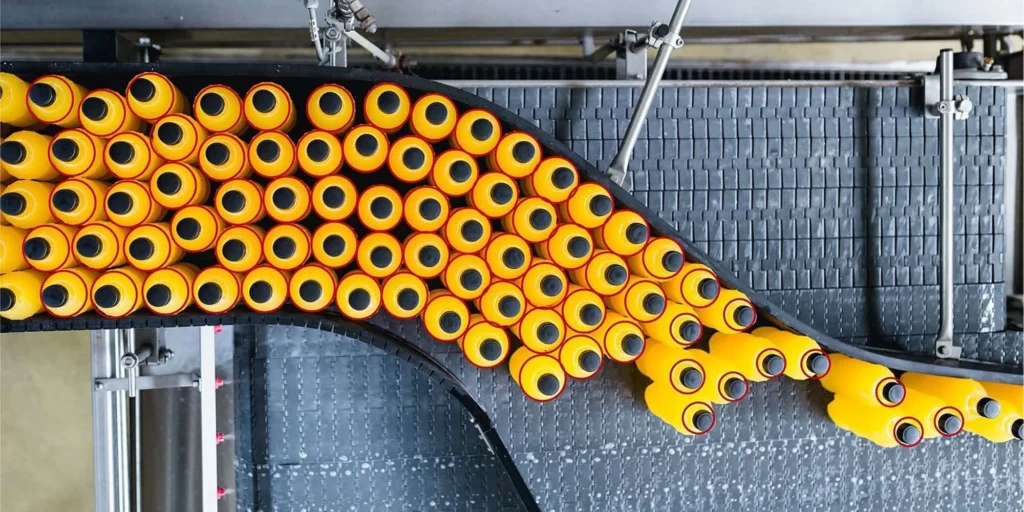
Examples: Facial recognition on smartphones is a big application of edge computing and computer vision. As is, analyzing products on the assembly line to detect defective items.

2. 3D Computer Vision

Definition: When trying to recognize objects using depth and geometry, 3D computer vision comes into play. It involves the construction of 3D objects within a machine, such as a computer.

Advantages: It provides much richer information than the typically used 2D computer vision. It also allows for manipulating said 3D object models in many ways for various purposes.

Examples: The most prominent usage of 3D computer vision is in self-driving cars or autonomous driving. Also, AR/VR headsets which are becoming very popular nowadays, use 3D computer vision.

3. Natural Language Processing and Computer Vision

Definition: Natural Language Processing (NLP) enables the understanding of spoken or written language. The software learns how to string together words to communicate a prescribed message, just like humans do every single day.

Advantages: Computers are well-suited to repeatedly detect objects, recognize patterns and communicate back what they see. They can perform these tasks flawlessly repeatedly over time. Computers can then start creating accurate descriptions of pictures.

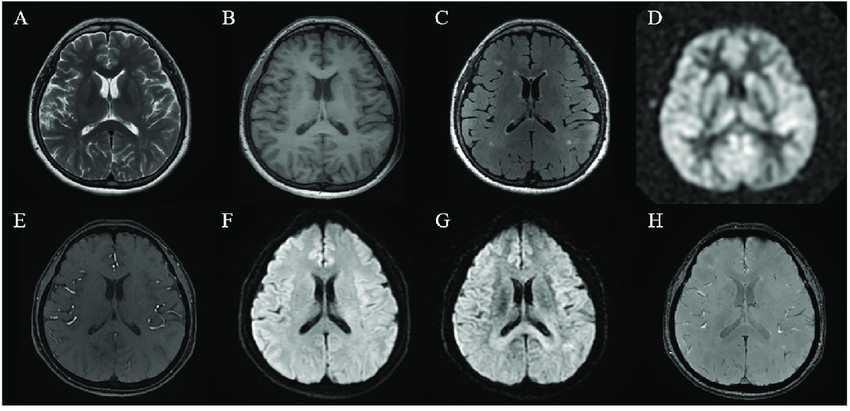
Examples: Medical images like CT, PET, MRI, and X-ray imagery get used to diagnose patients and determine the best treatment options. With Computer vision and NLP, these images can be analyzed and an initial report of its findings can be generated.

Learn more: Applications powered by NLP

4. Image Recognition and Computer Vision

Definition: A machine can “see” images using algorithms and other techniques. They label and categorize the content of the picture. This is also known as image classification and image labeling.

Advantages: The machine can identify objects, people, entities, and other variables in images. This data can then be used to segment the images or filter them for various purposes.

Examples: This machine learning method gets used in manufacturing to see if labels got attached properly to items or if they were packed correctly into boxes. This relieves pressure on customer service and the Quality Assurance team.

Similarly applied in the pharmaceutical industry to ensure the correct number of pills get packed and in the right color, length, and width. This way, patients don’t run out of their medication in the middle of their treatment. This reduces medical errors due to prescription medications.

5. Object Detection and Computer Vision

Definition: Object identification or detection is used to identify and count objects in a scene and then determine and track their precise locations. All while accurately labeling them. This can be done in an image or a video.

Advantages: It can extend and act as an artificial offset of human perception. Also, it can help identify, detect, and recognize our surroundings for various purposes.

Examples: You can improve security in the private sector using object detection. Businesses can monitor their territory and check for any uninvited guests at night. Object detection can also determine the personality of the person using identification technologies in the system.

Parking lots also use object detection to determine parking lot occupancy and thus inform drivers which lot has more space available for them. This way, drivers aren’t driving around looking for a space in a packed lot.

Cancer detection is another real-world application of object detection and computer vision.

6. Facial Recognition and Computer Vision

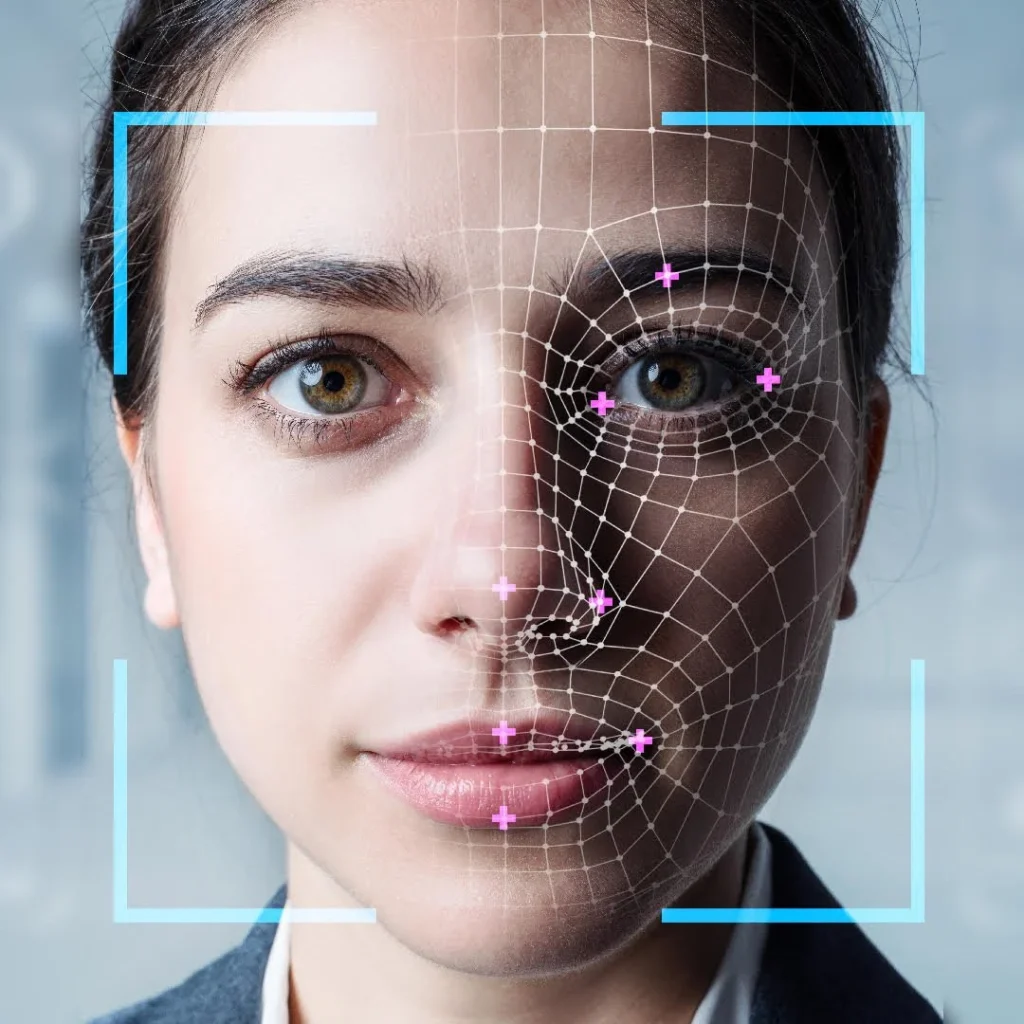
Definition: This technology is used to match images containing people’s faces with their identities by computers and machines. They do this by detecting facial features in images. Then compare them to various databases.

Advantages: Facial recognition has become a widely used computer vision application in various applications.

Examples: Google Photos and Facebook use facial recognition to determine who’s in a photo. Then label them using the person’s name with just one click.

This application is also used at country borders by customs to identify people. And then match them with their passports.

Google Maps uses facial recognition for privacy purposes by blurring out any faces in street view images.

7. Data Labeling and Computer Vision

Definition: This is when you add tags to raw data, such as images and videos. Each tag is associated with predetermined object classes in the data. Thus, unclassified data can soon have a semblance of organization and categorization using data labeling.

Remember that most of the world’s data is unlabeled. So, AI and machines would have no idea what these images contain without computer vision and data labeling.

Advantages: Using data labeling, you can segment and tag images or videos in seconds rather than hours, when done traditionally by humans. This makes the whole process cheaper and more lucrative in general.

Examples: These highlighted images with labels get used to training AI and machine learning models. They can become better at labeling and identifying objects within photos and videos. Soon they will be able to use machine learning models to recognize objects on their own without any help from humans.

8. Semi-supervised Learning and Computer Vision

Definition: This machine learning technique utilizes labeled and unlabeled data for learning, hence the term “semi-supervised learning.” A pseudo label is generated and benefits from a large amount of unlabeled data.

In many computer vision techniques (object detection is one), machines use supervised learning algorithms to learn how to identify objects in images. But in semi-supervised learning, a predictive model is created using some labeled data and lots of unlabeled data.

Advantages: This semi-supervised learning can improve the generalization and performance of the model over time. In countless scenarios, labeled data isn’t available.

In such cases, semi-supervised learning can achieve impeccable results even with only a fraction of the data labeled. Labeling is expensive. So semi-supervised learning can help save on costs for businesses when dealing with unlabeled data.

Examples: Google uses semi-supervised learning to rank and label web pages in search results. Image and video analysis is also done using semi-supervised learning, as much of this data is unlabeled.

9. Transfer Learning and Computer Vision

Definition: This is a machine learning method where you reuse a pre-trained model as the starting point for a model on a new task. A model trained on one task will be repurposed and reused for a second task. The second task has to be related to the first one, as that allows for optimization and rapid progress on the second task.

Advantages: Significant progress can get made on related tasks using only a model and a small amount of data. This can help save not only on time but also on the resources allocated to these models.

The machines don’t require training from scratch, which is computationally expensive. You don’t need large amounts of data with transfer learning, either. You can achieve better results with a small data set.

Examples: Tech companies like Microsoft, IBM, Nvidia, and AWS use transfer learning toolkits. This helps eliminate the need to build models from scratch every single time. It saves them time and money in the long run.

Noise removal from images is another application of transfer learning. It requires basic knowledge and pattern recognition of familiar images (modeling).

10. Synthetic Data in Computer Vision

Definition: In the realm of computer vision, synthetic data refers to artificially generated visual information that replicates real-world scenarios. It involves creating images or videos through algorithms and simulations to train and improve computer vision models.

Advantages: Synthetic data plays a pivotal role in enhancing the performance of computer vision systems. One key advantage lies in the augmentation of training datasets. By generating diverse synthetic images, models can be exposed to a broader range of scenarios, leading to improved generalization when applied to real-world situations.

Moreover, synthetic data helps overcome limitations associated with the availability of labeled datasets. Annotated real-world data for specific tasks may be scarce, but synthetic data allows for the creation of labeled examples, facilitating more robust model training.

The cost-effectiveness of synthetic data generation is another notable advantage. Acquiring and annotating large datasets can be resource-intensive, while synthetic data offers a more economical solution without compromising the quality of model training.

Examples: In autonomous vehicle development, synthetic data is extensively used to simulate various driving conditions. This enables training computer vision models to recognize and respond to diverse scenarios such as adverse weather, complex traffic situations, and rare events, contributing to the safety and reliability of autonomous systems.

For facial recognition technology, synthetic data aids in training models to recognize faces across different demographics and under varying lighting conditions. This ensures that the algorithm performs effectively in real-world scenarios, minimizing biases and improving overall accuracy.

In essence, synthetic data emerges as a valuable asset in the evolution of computer vision, propelling advancements in technology by broadening the scope of training datasets and addressing challenges associated with real-world data limitations.

11. Generative AI in Computer Vision: Transforming Visual Understanding

Definition: Generative AI in computer vision refers to the utilization of algorithms that can create and enhance visual content. These algorithms go beyond recognizing existing patterns and instead generate new images or modify existing ones. This dynamic approach enhances the capabilities of computer vision systems, allowing them to adapt to a broader range of scenarios.

Advantages: The integration of generative AI into computer vision brings forth several advantages. One notable benefit is the ability to generate synthetic data for training models. By creating diverse visual scenarios, generative AI aids in building robust computer vision models that can effectively handle a variety of real-world situations.

Another advantage lies in image synthesis and enhancement. Generative AI algorithms can transform low-resolution images into high-resolution counterparts, improve image quality, and even fill in missing visual information. This proves invaluable in applications such as medical imaging, where enhanced visuals contribute to more accurate diagnoses.

Examples: In autonomous vehicles, generative AI is employed to simulate and augment visual data. This includes creating realistic scenarios such as different weather conditions, diverse landscapes, and challenging road situations. This synthetic data enhances the training of computer vision models, ensuring they can navigate effectively in the complexities of the real world.

For facial recognition systems, generative AI contributes to the generation of facial images across various demographics and expressions. This broadens the scope of training datasets, leading to more inclusive and accurate algorithms capable of recognizing faces in diverse contexts.

Generative AI in computer vision exemplifies the fusion of artificial intelligence and visual understanding, pushing the boundaries of what these systems can achieve and adapt to in an ever-evolving technological landscape.

12. Detecting Deepfakes for Computer Vision: Safeguarding Businesses

Definition: Detecting deepfakes in computer vision involves the use of advanced algorithms and techniques to identify manipulated or synthetic visual content. Deepfakes are digitally altered images or videos that can deceive viewers by realistically depicting events or individuals that never occurred. Businesses utilize detection methods to ensure the authenticity of visual content in various applications.

Advantages: The ability to detect deepfakes is paramount for businesses in preserving trust, credibility, and security. In sectors like media, finance, and e-commerce, where visual content plays a crucial role, ensuring the authenticity of images and videos is essential. By implementing deepfake detection in computer vision systems, businesses can mitigate the risks associated with misinformation, fraud, and reputational damage.

Moreover, industries relying on video conferencing and online communication platforms benefit from deepfake detection to prevent malicious activities. This safeguards sensitive information, maintains the integrity of communications, and protects against potential threats to organizational security.

Examples: In the entertainment industry, where the use of celebrities in advertisements is prevalent, deepfake detection is vital. Businesses can employ computer vision algorithms to verify the authenticity of celebrity endorsements and promotional content, preventing the spread of misleading information.

Financial institutions leverage deepfake detection to secure transactions and prevent fraudulent activities. By ensuring the legitimacy of visual data in identity verification processes, businesses can enhance the overall security of their operations and protect both clients and the organization itself.

Detecting deepfakes in computer vision is an indispensable tool for businesses, offering a proactive approach to maintaining trust, security, and the reliability of visual content in an increasingly digital and interconnected world.

13. Ethical Computer Vision for Businesses: Navigating the Digital Landscape Responsibly

Definition: Ethical computer vision for businesses entails the responsible development, deployment, and use of computer vision technologies. It involves ensuring that these systems adhere to ethical principles, respect privacy, avoid biases, and contribute positively to society.

Advantages: Embracing ethical considerations in computer vision provides businesses with several advantages. Firstly, it fosters trust among users and customers. By prioritizing privacy and transparency, businesses can build stronger relationships with their clientele, assuring them that their data and interactions are handled with integrity.

Ethical computer vision also mitigates the risk of bias in algorithms, ensuring fair and unbiased decision-making processes. This is particularly crucial in sectors like hiring and finance, where biased algorithms can perpetuate societal inequalities. By prioritizing ethical practices, businesses contribute to a more inclusive and just technological landscape.

Examples: In recruitment, businesses can use ethical computer vision to ensure fairness and impartiality. By removing demographic identifiers from resumes and employing algorithms that focus solely on skills and qualifications, companies can avoid perpetuating biases and promote diversity in hiring processes.

Retail businesses can implement ethical computer vision in surveillance systems by being transparent about data collection and usage. This includes informing customers about the presence of security cameras and clearly outlining how their data is handled, fostering a sense of security without compromising privacy.

In healthcare, businesses can use ethical computer vision to ensure patient confidentiality. By implementing robust security measures and anonymizing patient data, healthcare organizations can harness the benefits of computer vision for diagnostics and treatment planning without compromising sensitive information.

Embracing ethical considerations in computer vision is not just a moral imperative but a strategic move for businesses, fostering trust, fairness, and societal well-being in an increasingly digitized world.

14. Satellite Computer Vision for Businesses: Gaining Insights from Above

Definition: Satellite computer vision for businesses involves the utilization of advanced imaging and analysis techniques applied to satellite imagery. This technology enables businesses to extract valuable insights, monitor environmental changes, and make informed decisions based on high-resolution satellite data.

Advantages: The integration of satellite computer vision offers businesses a plethora of advantages. One primary benefit is the ability to gather geospatial information on a large scale. Industries such as agriculture, urban planning, and environmental monitoring can leverage this data to optimize resource allocation, plan infrastructure development, and track changes in land use over time.

Cost-effectiveness is another key advantage. Instead of relying on ground-based surveys or physical reconnaissance, businesses can utilize satellite computer vision to obtain real-time data and insights without the need for extensive fieldwork. This streamlined approach enhances efficiency and reduces operational costs.

Examples: In agriculture, businesses leverage satellite computer vision to monitor crop health, assess soil conditions, and optimize irrigation. This data-driven approach enhances precision farming practices, leading to increased yields and sustainable agricultural practices.

Urban planning and development benefit from satellite computer vision by providing detailed information on infrastructure, population density, and land use. This data aids businesses and city planners in making informed decisions regarding zoning, transportation, and sustainable development.

The energy sector utilizes satellite computer vision for monitoring pipelines, assessing the environmental impact of energy projects, and identifying potential risks. This proactive approach enhances safety measures and contributes to responsible and sustainable energy practices.

Satellite computer vision empowers businesses with a bird’s-eye view, enabling them to make strategic decisions, enhance operational efficiency, and contribute to environmentally conscious practices in an ever-evolving global landscape.

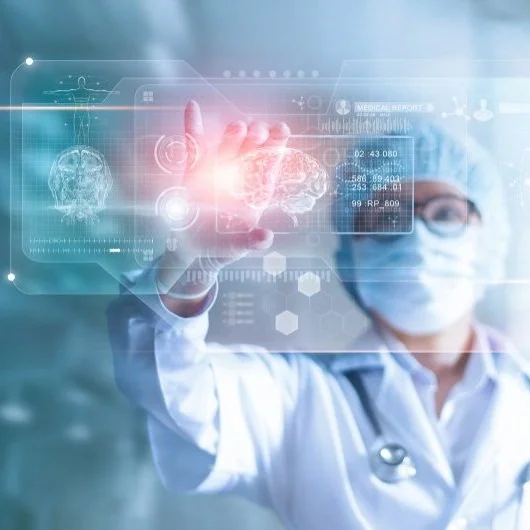

Ready to Use Computer Vision in Your Business?

In 2024, businesses can take advantage of the latest computer vision trends to improve their operations. And also increase productivity, and gain a competitive edge. From edge computing to transfer learning, these trends have the potential to revolutionize various industries.

By staying up-to-date with the latest developments in computer vision, businesses can implement these technologies to unlock new opportunities and drive growth. Incorporate having Digital Divide Data as a data labeling/data annotation partner. Or as a go-to for computer vision-related needs.

Computer Vision Trends That Will Help Businesses in 2024 Read Post »

Computer Vision Hero Image

Everything You Need To Know About Computer Vision

If you’re looking for extra security for your home via installation of facial recognition on your doorstep, you’re not alone. The good news? It’s possible. And that’s not all. Computer vision can do a lot more in every area of your life.

There have been constant developments in artificial intelligence, deep learning and neural networks in recent years. Computer vision has made it possible to detect and label objects, being able to accomplish tasks that humans can’t.

Seems like computers are our best friends and can make our lives easier, more entertaining and more secure. Let’s find out what computer vision is, how it works and how you can use it to enhance your everyday life.

What is Computer Vision?

Computer vision is a technology of computer science that focuses on human vision and its replication in order to help computers see and identify objects around them, just like human beings do. In simpler words, computer vision is like replicating the functions of the human eye in a computer.

Remember we talked about face recognition technology right at the beginning of the article? That’s one of the things computer vision enables. It allows phone companies and smart home devices to use facial recognition as a measure of security.

Where did it all begin? 1950s! Yes, that’s how old computer vision is but its growth in recent years has been phenomenal. Back in those days (70s and 80s), it was used to differentiate typed text from handwritten text.

How does it even work? How is computer vision able to detect objects? Let’s find the answer to this and put all curiosity to rest.

How Does Computer Vision work?

This question is like asking how the human brain works. The field of neuroscience has forever been intrigued by how complex our brains are and how they work. Machine learning asks the same question and works in the answer to develop this field of computer science.

Now we all know that brains aren’t easy to study and even science doesn’t have all the answers yet on the exact way images are processed in the brain. This is why computer vision works on what we do know: recognizing patterns.

So how does the computer learn to recognize an image? It all gets down to understanding the complexity of pixels and colors. In simple words, if you feed an algorithm with millions of images of a book, a set of machine learning algorithms will help it analyze the colors, shapes and the relative distance between objects. This helps the computer understand what a “book” is based on the types of data sets. Once done, this computer will be able to recognize books from images that are fed into it in the future.

Let’s break it down into steps. Here’s what a computer does:

  • Acquire an image

  • Process the image

  • Understand the image

Advantages of Computer Vision

Computer vision benefits both the public and the private sector in various ways.

  1. Better Searching Methods

    Let’s talk about the advertising industry. Digital advertising mainly relied on keywords and tags. While the method works it’s not cent percent efficient. After the introduction of computer vision to this sector, results got a lot better.Instead of relying on traditional tags, computer vision compares the actual physical characteristics of a specific image. Because of this, people are able to search for exactly what they’re looking for by using a photo to find “similar products”.

  2. Better User Experience

    Those filters that transform your face on Snapchat and Instagram are a result of computer vision! With the use of facial mapping and augmentation, computer vision makes it possible to create such features on apps.

  3. Patient Identification And Better Medical Procedures

    Computer vision improves patient identification thereby preventing wrong person procedures. One can also expect a more accurate diagnosis via medical imaging analysis. From surgery training assistance to patient rehabilitation assistance, computer vision helps the medical field to achieve goals that were once far-fetched.

    The contribution of computer vision to the medical field is quite a boon. Here are some examples of how it helps:

    • Patient rehabilitation assistance.

    • Medical students training.

    • Patient identification.

  4. Better Security

    Computer vision works with cyber security systems to monitor any remote activity. This can be done from anywhere which makes it easier to recognize and analyze potential cyber threats and prevent them from happening.

    Here are some ways in which computer vision is used:
    • Biometrics for identification.
    • Security cameras.
    • Vehicle identification in instances of car theft.
    • AI fire detection that helps detect fires in buildings by taking images or videos.

  5. Transport Safety

    Computer vision is trained and used to identify unauthorized and harmful objects such as guns, biological weapons, etc, before they are loaded on passenger transport vehicles like an aircraft.

    This technology isn’t just used by some airlines but is also used by other public transport such as trains and buses to minimize risks and maximize security for the travelers.

Types of Computer Vision

DDD%2B %2BTYPES%2BOF%2BCOMPUTER%2BVISION

Image segmentation: Here, the image is divided into multiple regions that are examined separately.

  1. Object detection: This pertains to identification of a specific object in one image. For instance, a book like we talked about earlier. With advanced object detection, your computer can recognize multiple objects in one image.

  2. Facial recognition: Whether it’s human face recognition in general like in those app filters or recognition of a specific person like in a smartphone for unlocking, computer vision does it all.

  3. Edge detection: This method identifies the outer edges of objects to identify what the image consists of.

  4. Pattern detection: This technique helps with identification of colors, shapes, and other visual elements in images.

  5. Image classification: Organizing images into various groups and categories.

  6. Feature matching: This method helps match similarities in images to classify them.

While simple uses of computer vision might just require one of these techniques, more complex ones like self-driving cars may make the use of a combination of various types of computer vision.

Top 9 Computer Vision Applications

  1. Self-driving cars
    Since dreams of self-driving cars are coming true, a lot of is can be attributed to computer vision. Tesla has already come up with autonomous vehicles and it’s just a matter of time before you can get around your city in a driverless car too!

  2. Augmented Reality
    Augmented reality uses computer-generated augmentation to provide an experience of the natural surroundings. If you’ve played games that use AR, you know that they can make you feel like you’re actually in that virtual world while your actions here in the real world affect what’s going on inside the game! You swing your golf club here and the ball goes flying in the game. How cool is that?

  3. Medical Imaging
    How does a doctor classify X-rays and MRIs into diseases like cancer and pneumonia? Computer vision is the core of early diagnosis in the medical field. It has helped save thousands of lives by enabling doctors to detect diseases early with the help of imaging.

  4. Intelligent Video Analytics
    Identification techniques like pose estimation, face detection and object tracking have helped CCTV cameras in understanding a shopper’s interaction with various products in a retail shop, queue lengths at airports and malls and other such parameters in public places with large crowds.

  5. Manufacturing and Construction
    Computer vision systems help in detection of defects and with safety inspections. This helps in a better manufacturing process with fewer chances of error. 3D vision systems make inspections far more superior and efficient in production lines.

  6. Optical Character Recognition
    OCR goes back to 1974 but with the latest technology and Deep Learning systems, today’s OCR techniques can detect and translate text in natural environments without any human intervention.

    Read more: OCR in Machine Learning

  7. Retail
    Nowadays there are AI stores like “Amazon-go” across the United States that are cashierless and customers can self-checkout after shopping. This shows that computer vision can revolutionize shopping experiences for both the store owners and the consumers.

  8. Education
    There’s nothing better than providing a personalized learning experience to students because one size doesn’t fit all. Computer vision understands students’ learning behaviors to improve their learning experiences. The technology also helps assess students’ papers to reduce the burden on teachers.

  9. Sports and Fitness
    Computer vision can help fitness apps capture performance data. This can not only help the person using the app but also help coaches in training sessions. In sports, computer vision can track objects and ball movements to improve referees’ decision-making.

Top Industries Using Computer Vision

Since we already saw the application of computer vision, it’s not difficult to understand what industries benefit the most from it. Here are the industries that use computer vision the most and how the technology helps each industry.

  1. Agriculture

    • Helps identify pests with greater accuracy to optimize chemical application.

    • Automation of livestock management to reduce the need for human intervention in the field.

    • Helps monitor crop development to have a better quality yield.

    • Automotive enables self-driving cars with intelligence to detect objects.

    • Helps create a seamless and driverless experience with no human error.

    • Reduces the chances of accidents.

  2. Retail and E-commerce

  3. Sports Analytics

    • Better referee decisions because of accurate ball/object and human position captures.

    • Accurate and personalized fitness plans or goals via apps that monitor various bodily functions.

  4. Medical Institutions

    • Improved and early diagnosis of illnesses in patients via 3D imaging.

    • Real-surgery and training assistance for more effective outcomes.

    • Improved patient logs with better identification to avoid confusion.

FAQ’s

  •  

    Yes! Computer vision is a subfield of AI and Deep Learning. Because of this technology computers can visualize and interpret objects and the world around them.

  •  

    Computer vision is a subset of machine learning while machine learning itself is a subfield of AI. We can say that computer vision uses machine learning algorithms like neural networks. However, even though they have many commonalities overall, they’re applied differently.

  •  

    Implementing computer vision technology can be a challenge for businesses due to the lack of dedicated personnel and resources. Businesses often lack the internal expertise to effectively set up, configure, and maintain computer vision systems. Additionally, businesses may not have the resources to invest in the technology as it’s costly, making it difficult to implement.

  •  

    Deep learning is based on the concept of artificial neural networks, which are networks of simple algorithms that are designed to mimic the behavior of biological neurons in the human brain. By utilizing deep learning, computers can be taught to recognize objects, identify patterns in images, and even detect faces.

    Deep learning can be used to analyze videos and images to provide valuable insights into the data. Deep learning can also be used to generate synthetic images and videos, which can be used to train computers to recognize objects and patterns more accurately.

  •  

    Computer vision technology helps autonomous vehicles to identify and respond to objects, such as other vehicles, pedestrians, and traffic signs, in their environment in real time. This technology utilizes a combination of cameras, sensors and algorithms to process the data collected from its environment and create an accurate map of the area. Computer vision technology also helps autonomous vehicles to determine the position of other vehicles and objects around them. By utilizing cameras and sensors, the vehicle can create a 3D map of its environment.

  •  

    Computer vision technology can be used in surveillance and security systems to monitor, detect, and analyze activity in physical environments, such as buildings, streets, and public spaces. Computer vision technology can be used for a wide range of security applications, such as facial recognition, motion detection, object recognition, and anomaly detection.

    Another use of computer vision technology in security and surveillance systems is motion detection. This technology can detect movement in a surveillance video, which can be used to trigger an alert or to initiate a response such as activating a security system or alerting authorities. Motion detection can also help to detect intruders or other potential threats in a specific area.

Computer Vision Is The Future

As you can see, almost everything becomes easier, quicker, more effective and more secure with the help of computer vision. The best part is that it can be applied to every field and industry, helping not just professionals and businesses but also consumers and common people too. Everyone can enjoy the benefits that come with it.

If you’d like your business or setup to grow faster with more effective interactions with your consumers, you must go for the best computer vision services. Get futuristic today!

Everything You Need To Know About Computer Vision Read Post »

Scroll to Top