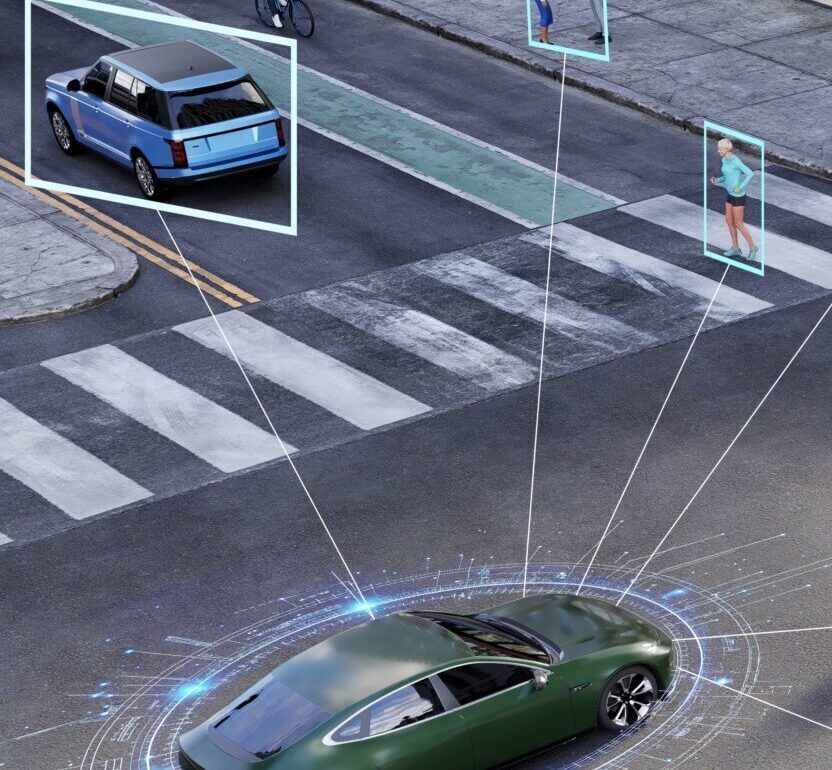
In this blog, we will explore the fundamentals of sensor fusion, why combining multiple sensors leads to more accurate...
Read More3D LiDAR Annotation Services for Computer Vision
Digital Divide Data delivers accurate and scalable 3D LiDAR annotation services to train computer vision models with true depth, distance, and spatial awareness. Using expertly labeled 3D point cloud data, we help AI systems detect, recognize, and track objects reliably in complex real-world environments.
High-Precision 3D LiDAR Annotation for Real-World Spatial Intelligence
Digital Divide Data (DDD) is a global leader in 3D point cloud annotation and computer vision data services. We create high-quality labeled LiDAR datasets that accelerate AI adoption across autonomous systems, robotics, and geospatial intelligence, combining expert human annotation, production-grade quality frameworks, and secure infrastructure.
3D LiDAR Annotation Workflow End-to-End
Fully managed 3D LiDAR annotation, from raw point clouds to model-ready data
Define object classes, annotation types, sensor configurations, and quality benchmarks.
LiDAR point cloud data is securely ingested, aligned, and prepared for annotation.
Expert annotators label objects using cuboids, polylines, polygons, or segmentation techniques.
Validation checks ensure spatial accuracy, consistency, and temporal alignment.
Rare scenarios and complex environments are reviewed to improve model robustness.
Datasets are delivered in required formats with continuous refinement as models evolve.
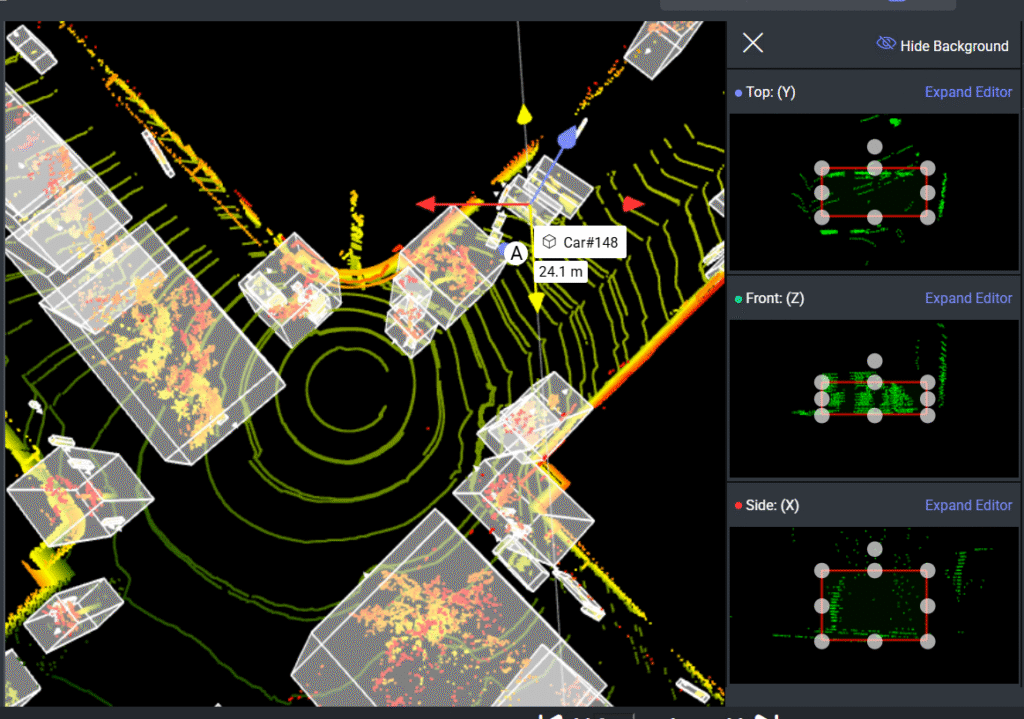
Our 3D LiDAR Annotation Solutions
Polyline Annotation
We annotate linear features such as road edges, lanes, curbs, and boundaries using precise polylines to support navigation and mapping applications.
Polygon Annotation
Complex objects and regions are outlined using accurate polygon shapes in 3D point clouds, enabling AI models to detect irregular boundaries with precision.
Semantic Segmentation Annotation
Every point or pixel in the LiDAR dataset is assigned a class label, allowing AI systems to understand full scenes and contextual relationships.
3D Bounding Box Annotation
We annotate objects in three dimensions with precise size, orientation, speed, yaw, and pitch, supporting accurate detection and tracking of vehicles, pedestrians, cyclists, and more.
3D LiDAR Use Cases
Enable autonomous vehicles to accurately detect, classify, and track objects in three-dimensional space using annotated LiDAR point clouds.
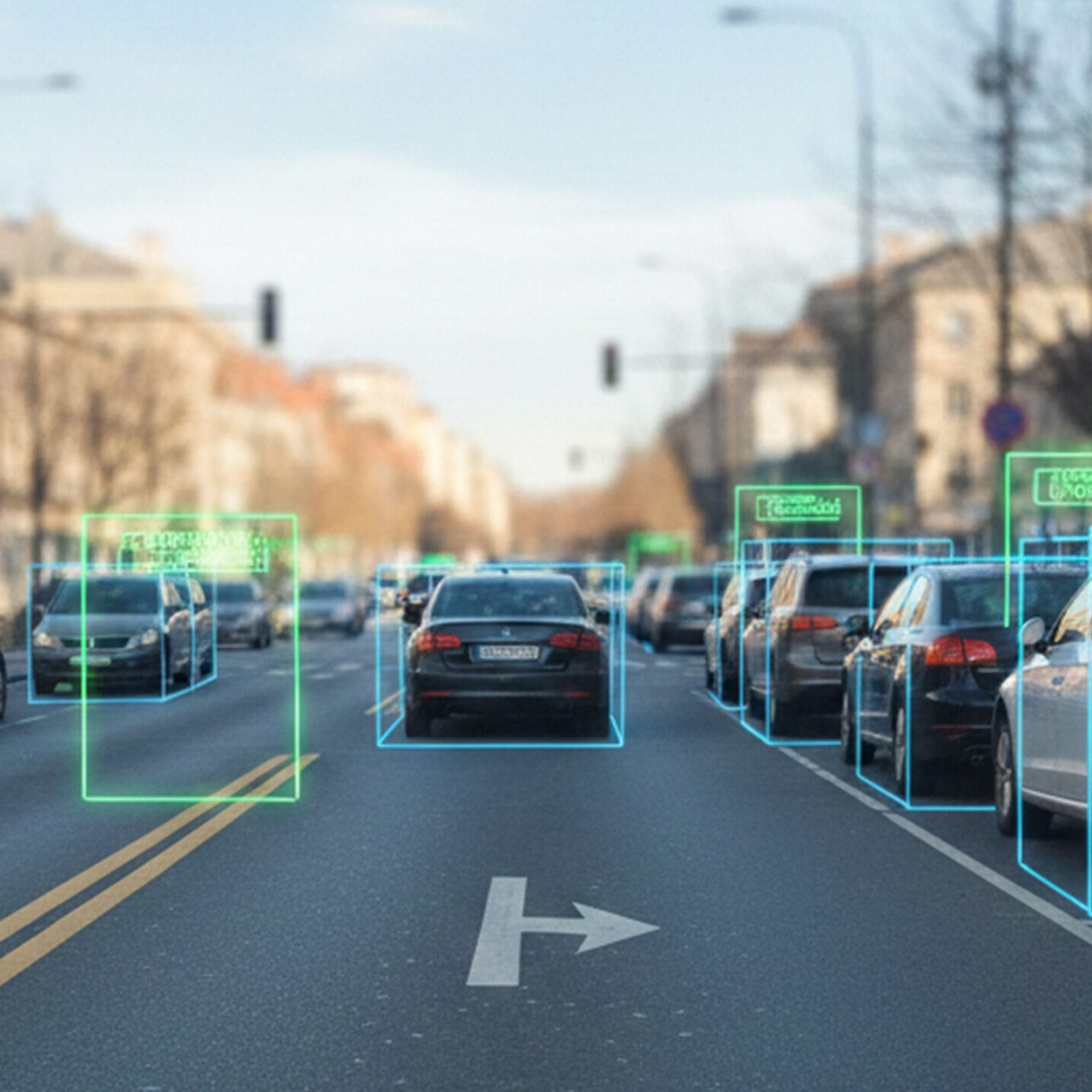
Train perception systems to identify drivable surfaces, lanes, curbs, and road edges with precise spatial awareness.
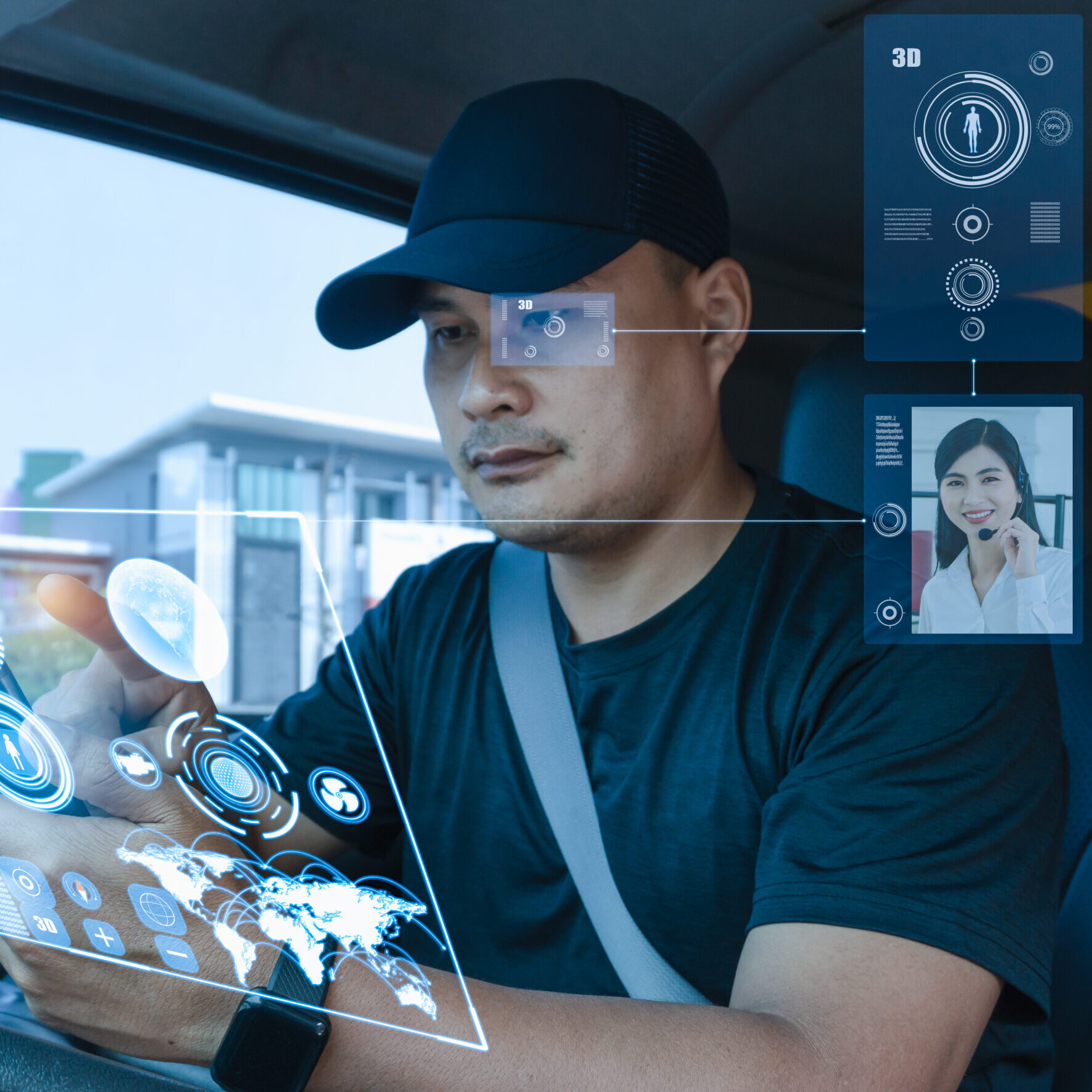
Support real-time safety systems by detecting static and dynamic obstacles in complex environments.
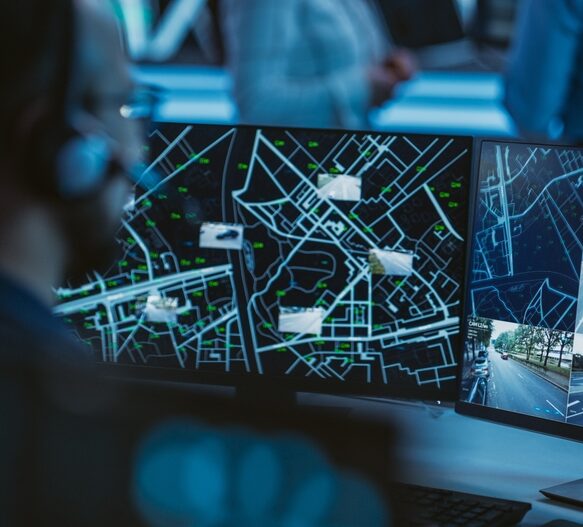
Enable robots to navigate, localize, and interact with 3D environments using spatially accurate point cloud data.
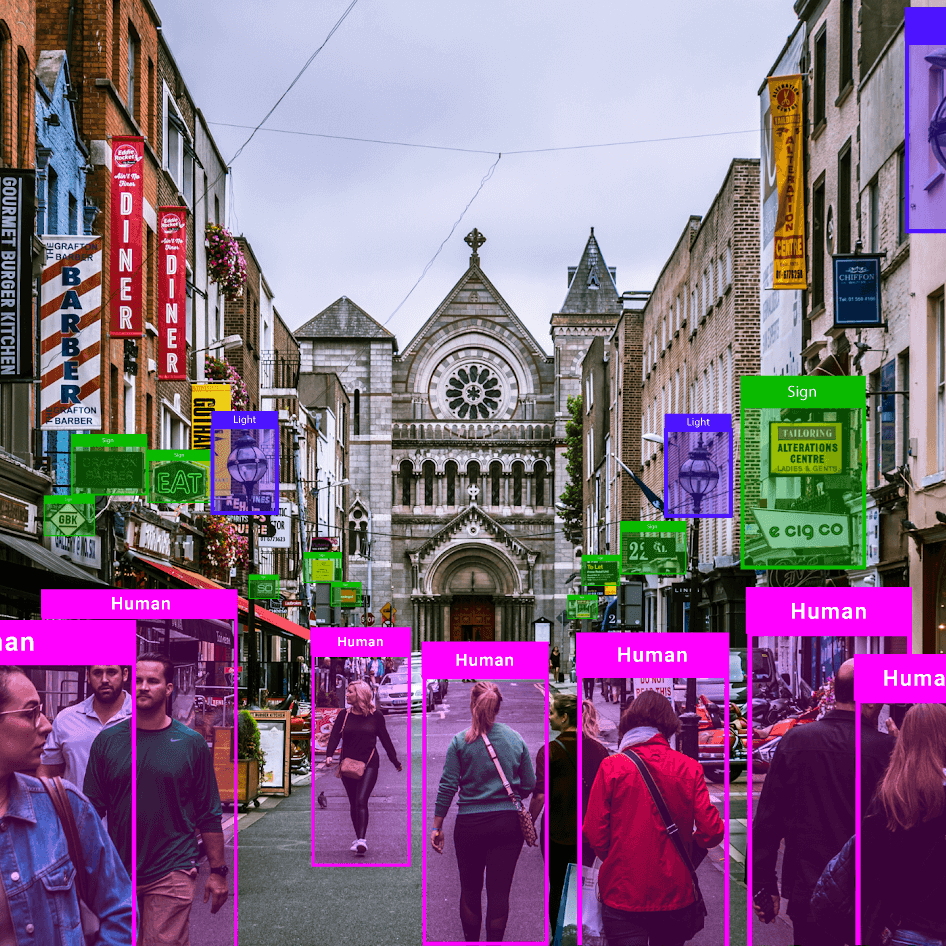
Power simultaneous localization and mapping (SLAM) applications with high-quality annotated 3D sensor data.
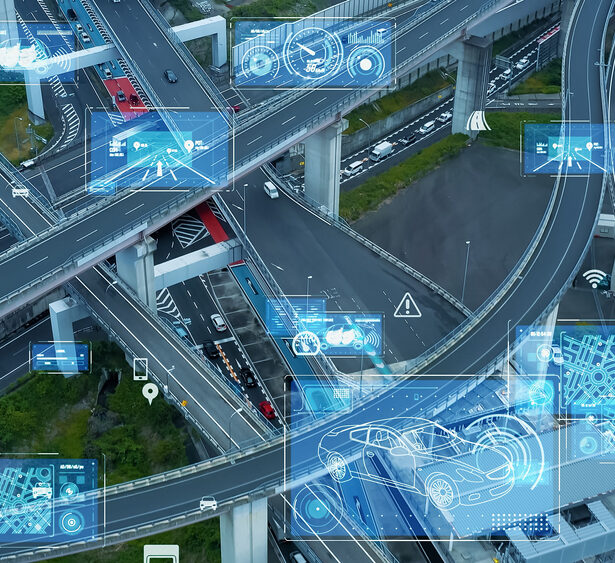
Analyze roads, bridges, buildings, and utilities using LiDAR annotation for planning and maintenance insights.

Support precision agriculture by analyzing terrain, crops, and equipment using 3D spatial data.
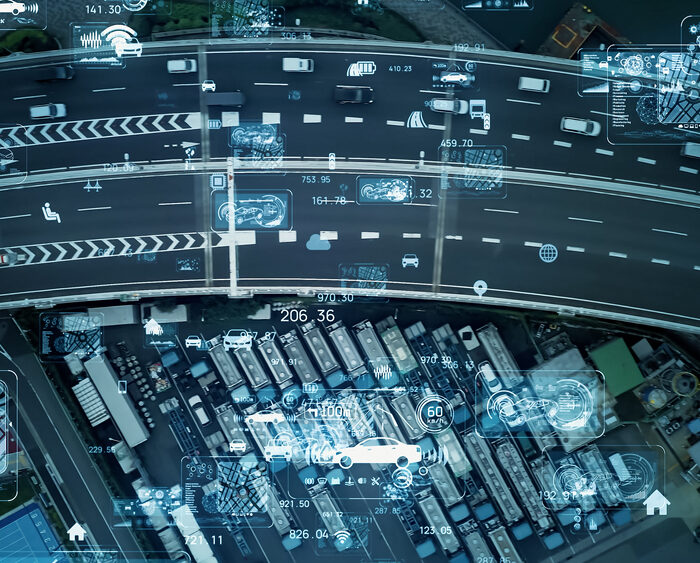
Enable advanced situational awareness, mapping, and monitoring through annotated LiDAR and 3D datasets.
Industries We Support
Autonomous Driving
Training perception systems with accurate depth and spatial understanding for safe navigation.
Government
Supporting surveillance, infrastructure monitoring, and defense intelligence initiatives.
Geospatial Intelligence
Annotating LiDAR data for mapping, urban planning, and environmental monitoring.
Retail & E-Commerce
Supporting spatial analytics and automation in warehouses and fulfillment centers.
What Our Clients Say
DDD’s 3D LiDAR annotation significantly improved our object detection accuracy in dense urban environments.
The precision of their 3D bounding boxes and segmentation was critical for our navigation models.
DDD delivered consistent, high-quality point cloud annotations across massive datasets.
Their cuboid and polyline annotations helped us improve lane and obstacle detection performance.
Why Choose DDD?
Specialized LiDAR annotators ensure high spatial accuracy, consistency, and reliable handling of complex edge cases.
DDD’s Commitment to Security & Compliance
Your LiDAR and 3D point cloud data are protected at every stage through rigorous global standards and secure operational infrastructure.

SOC 2 Type 2
Verified controls across security, confidentiality, and system reliability

ISO 27001
Holistic information security management with continuous audits

GDPR & HIPAA Compliance
Responsible handling of personal and sensitive data

TISAX Alignment
Automotive-grade protection for mobility and vehicle-AI workflows
Read Our Latest Blogs
Explore expert perspectives on 3D point cloud annotation, LiDAR data training, and emerging trends.
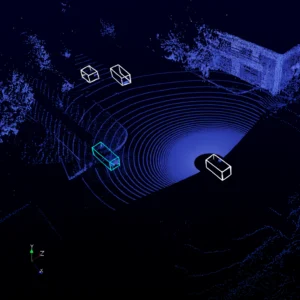
3D Point Cloud Annotation for Autonomous Vehicles: Challenges and Breakthroughs
This blog will explore why 3D point cloud annotation is critical to autonomous driving, the challenges it presents, and...
Read MoreMulti-Sensor Data Fusion in Autonomous Vehicles — Challenges and Solutions
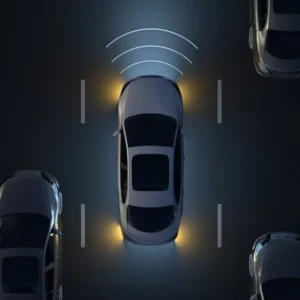
In this blog, we will discuss some of the challenges in fusing data from different sensors. At the same...
Read MoreTrain AI to Understand Depth and Distance with 3D LiDAR Annotation Services

Frequently Asked Questions
3D LiDAR annotation involves labeling point cloud data generated by LiDAR sensors to help AI models understand depth, distance, object shape, and spatial relationships in real-world environments.
Annotated point cloud data acts as ground truth, enabling computer vision models to accurately detect, classify, and track objects in three-dimensional space.
DDD provides 3D bounding boxes (cuboids), polyline annotation, polygon annotation, and semantic segmentation for LiDAR and 3D point cloud datasets.
Yes. DDD supports projects ranging from pilot datasets to large-scale LiDAR programs involving millions of point clouds.
We use specialized annotation tools, trained 3D annotators, spatial validation checks, and multi-layer quality assurance processes to ensure high accuracy and consistency.
Timelines depend on dataset size, annotation complexity, and object classes, but our optimized workflows are designed to accelerate delivery.