
Celebrating 25 years of DDD's Excellence and Social Impact.
Computer Vision Multisensor Fusion

Build Smarter AI with Multisensor Fusion

Digital Divide Data delivers high-quality multisensor fusion services that combine camera, LiDAR, radar, and other sensor data into unified training datasets. By synchronizing and annotating multimodal inputs, we help computer vision systems achieve robust perception, improved accuracy, and real-world reliability.

Multisensor Fusion Services That Power Reliable Autonomous Systems

Digital Divide Data (DDD) is a global leader in computer vision data services, enabling AI systems to understand the world through integrated sensor data. Our multisensor fusion services combine human expertise, advanced quality frameworks, and secure infrastructure to deliver production-ready datasets for complex AI applications.

ISO-27001 1
AICPA-SOC
GDPR
HIPAA Compliant
Tisax-Certificate

Multisensor Fusion Workflow End-to-End

Fully managed multisensor fusion from raw sensors to unified intelligence

Group 1 7
Use Case & Sensor Strategy Definition

Define perception goals, sensor stack, annotation requirements, and quality benchmarks.

Group 1 1
Secure Data Ingestion & Calibration

Multisensor data is ingested, synchronized, and spatially calibrated in controlled environments.

Group 1 2
Cross-Sensor Annotation & Alignment

Objects and events are annotated consistently across all sensor modalities.

Group 1 3
Fusion Validation & Quality Assurance

Multi-layer QA ensures spatial, temporal, and semantic consistency across datasets.

Group 1 4
Edge Case & Robustness Review

Challenging conditions and rare scenarios are reviewed to improve system reliability.
Group 1 5
Delivery & Continuous Iteration

Unified datasets are delivered in client-ready formats with iterative refinement as models evolve.

Multisensor Fusion Use Cases We Support

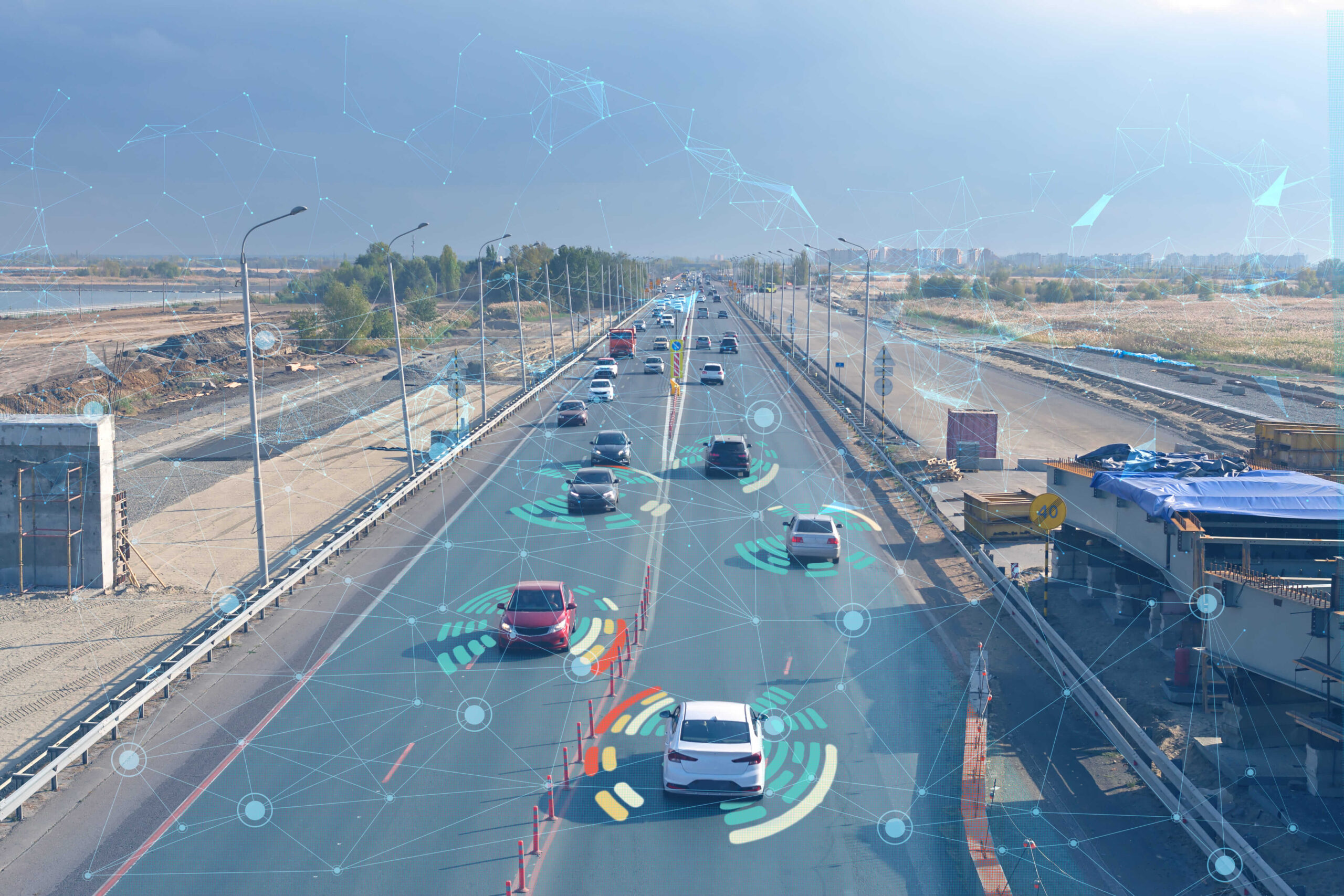
Robust Object Detection Tracking 1 1 scaled
Robust Object Detection & Tracking

Enable autonomous vehicles to detect and track objects reliably by fusing camera, LiDAR, and radar data.
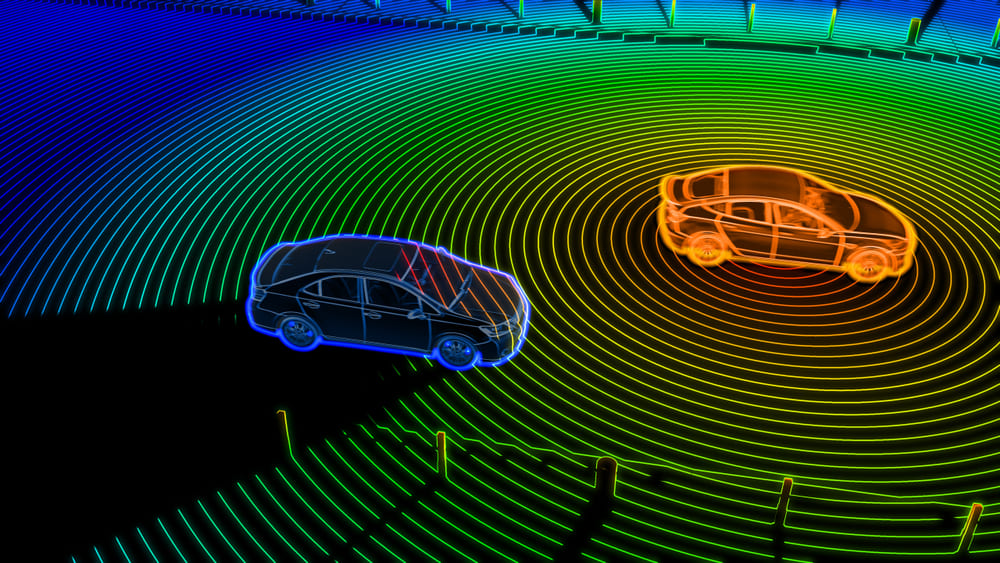
Sensor Redundancy Fail Safe Perception
Sensor Redundancy & Fail-Safe Perception

Build resilient perception systems by combining multiple sensors to maintain accuracy even when one sensor degrades or fails.
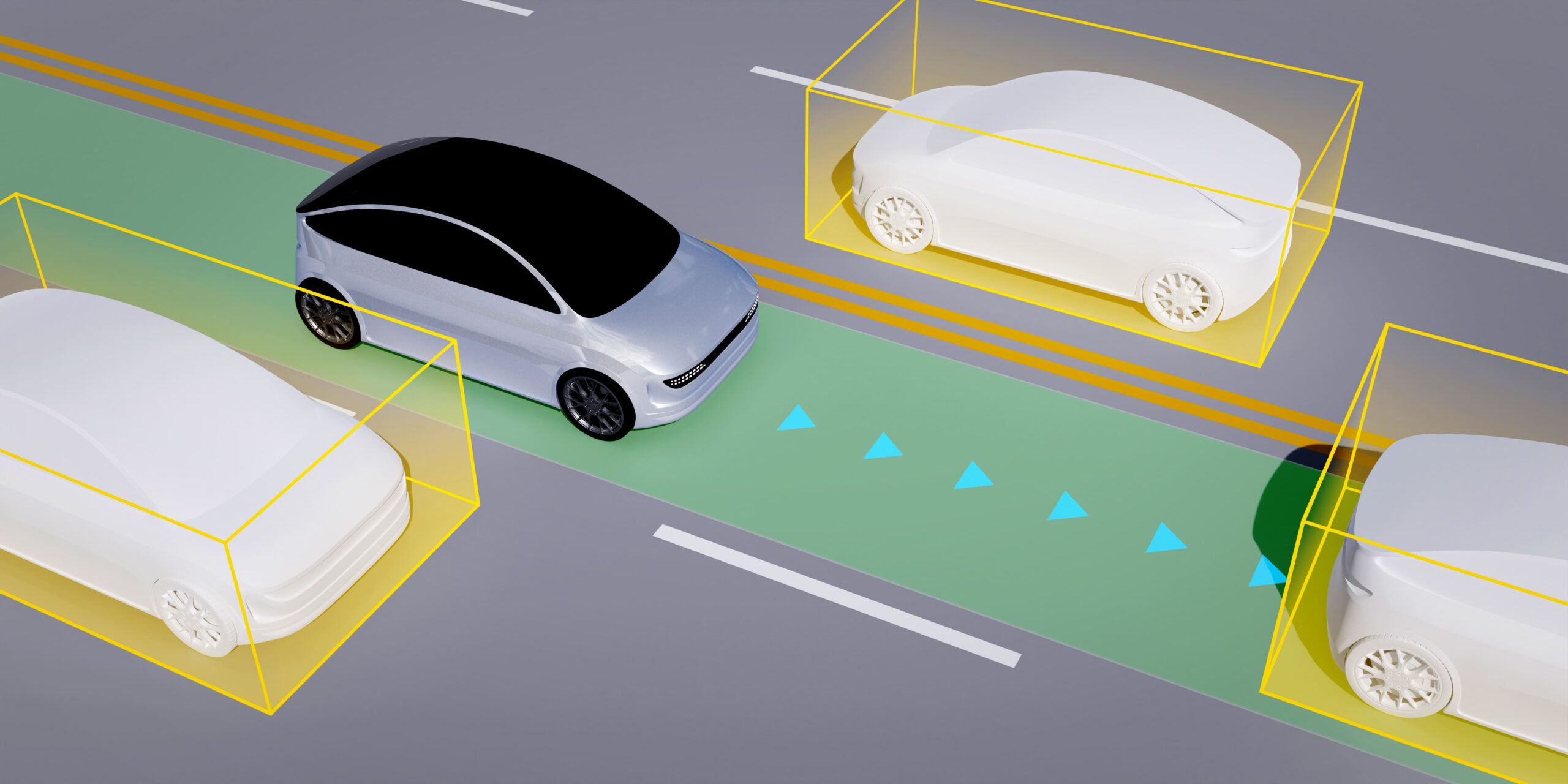
Adverse Condition Perception scaled
Adverse Condition Perception

Improve AI performance in low-light, fog, rain, and occluded environments through multisensor data fusion.
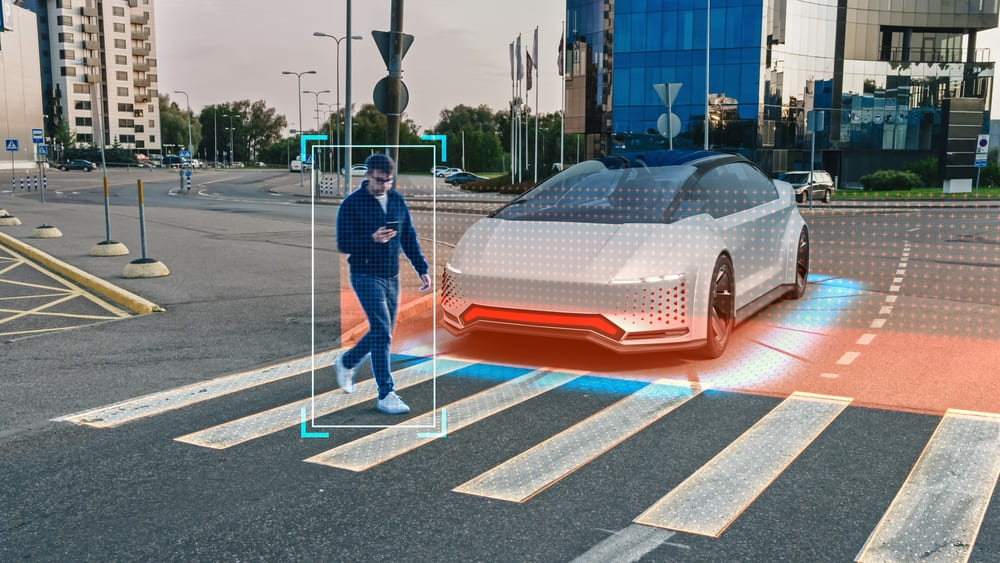
Advanced Driver Assistance Safety Systems
Advanced Driver Assistance & Safety Systems

Support ADAS features with fused sensor awareness for collision avoidance, lane keeping, and hazard detection.
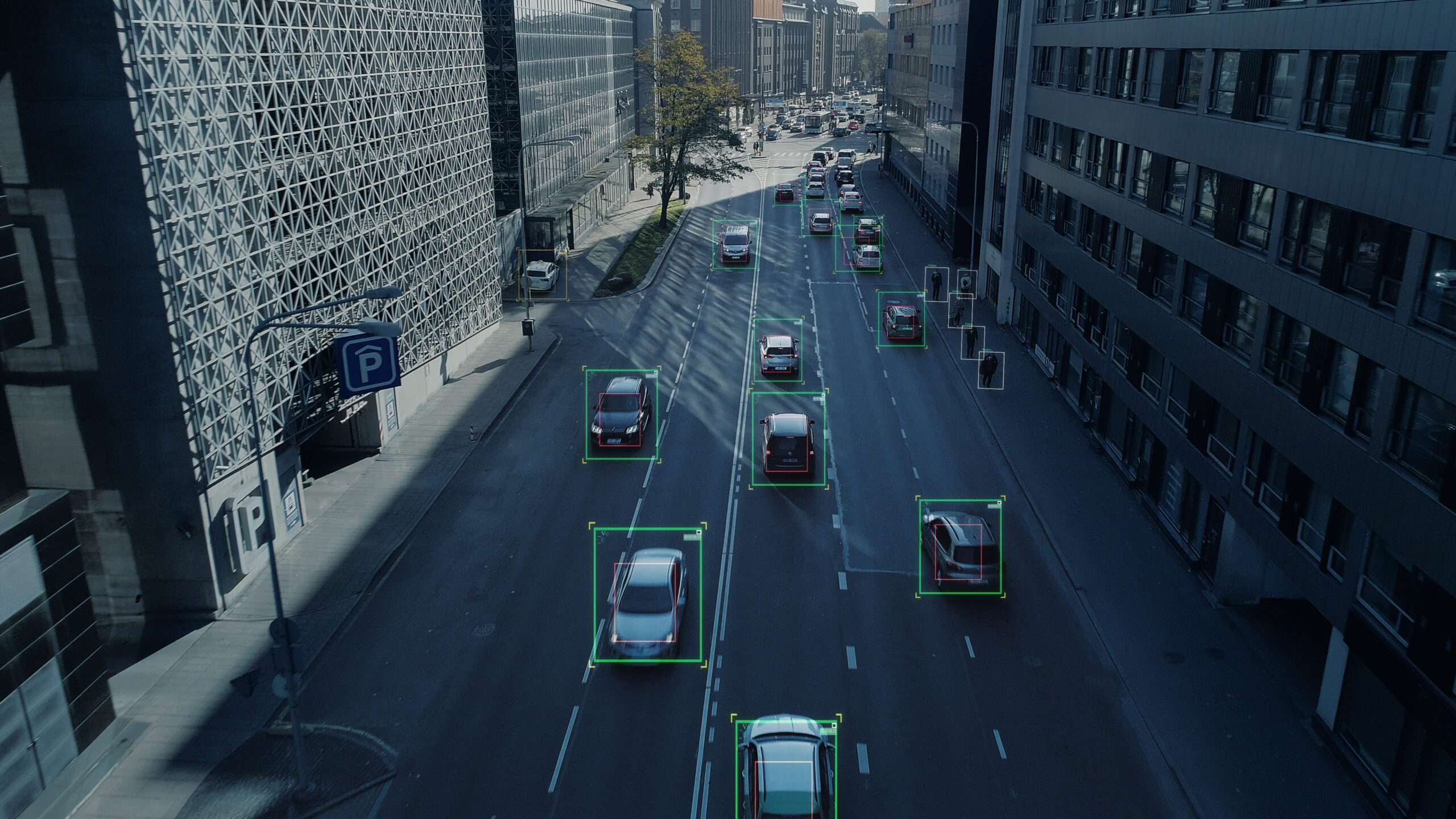
Robotic Navigation in Dynamic Environments scaled
Robotic Navigation in Dynamic Environments

Enable robots to navigate complex, unstructured spaces using unified sensor perception.
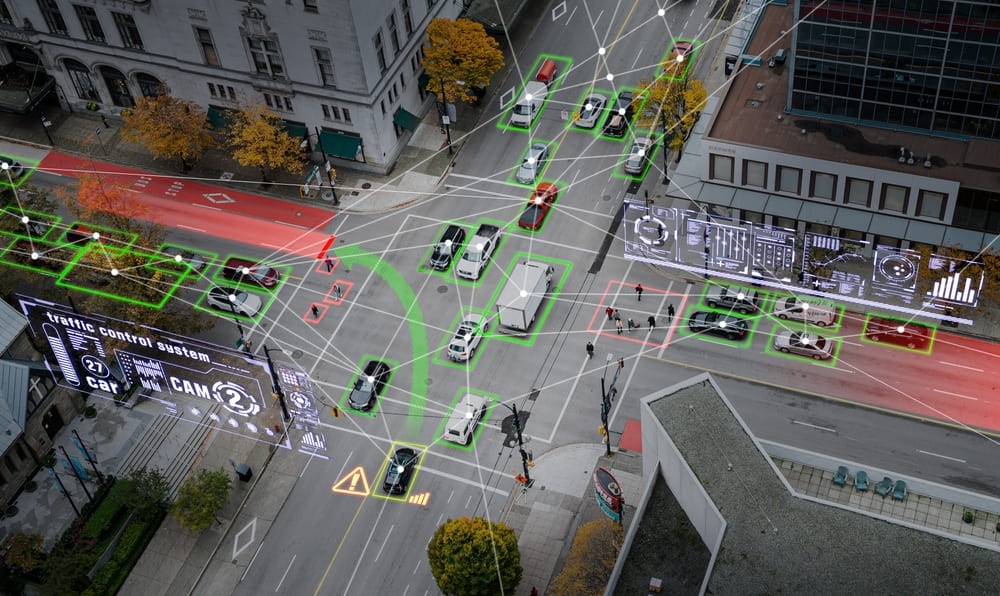
Smart City Traffic Monitoring
Smart City & Traffic Monitoring

Enhance urban intelligence by analyzing traffic flow, congestion, and movement patterns using multisensor data.
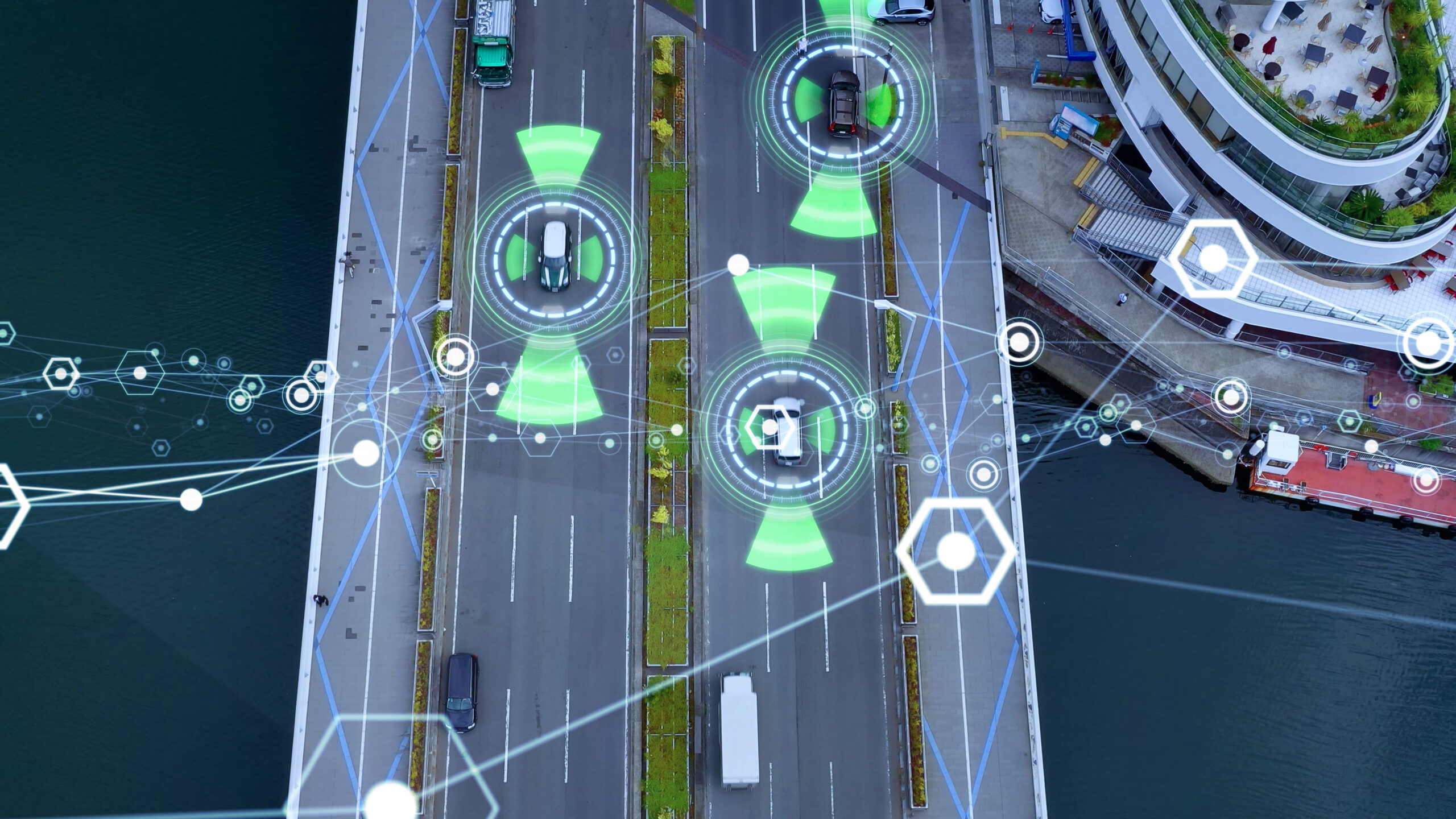
Defense Surveillance Intelligence scaled
Defense & Surveillance Intelligence

Support situational awareness and threat detection through fused visual and spatial sensor inputs.

Industrial Automation Spatial Analytics scaled
Industrial Automation & Spatial Analytics

Enable automation systems with precise spatial understanding for monitoring, navigation, and operational efficiency.

Industries We Support

Autonomous Driving

Training perception systems with accurate depth and spatial understanding for safe navigation.

ADAS

Enhancing driver-assistance features with reliable 3D object and lane detection.

Robotics

Enabling robots to navigate, perceive, and interact with 3D environments.

Humanoids

Supporting spatial perception and movement understanding in human-like robots.

AgTech

Analyzing terrain, crops, and agricultural assets using 3D sensor data.

Government

Supporting surveillance, infrastructure monitoring, and defense intelligence initiatives.

Geospatial Intelligence

Annotating LiDAR data for mapping, urban planning, and environmental monitoring.

Retail & E-Commerce

Supporting spatial analytics and automation in warehouses and fulfillment centers.

What Our Clients Say

DDD’s multisensor fusion annotation significantly improved our detection accuracy in challenging conditions.

— Head of Perception, Autonomous Vehicle Company

Their ability to align camera, LiDAR, and radar data was critical for our navigation stack.

— Director of Engineering, Robotics Company

DDD helped us build robust sensor-fusion datasets that performed consistently in real-world scenarios.

— VP of AI, Mobility Technology Firm

Security, precision, and consistency made DDD a trusted multisensor data partner.

— Program Manager, Government Defense Project

DDD’s Commitment to Security & Compliance

Your multisensor data is protected at every stage through rigorous global standards and secure operational infrastructure.

icon1

SOC 2 Type 2

Verified controls across security, confidentiality, and system reliability
Container 13

ISO 27001

Holistic information security management with continuous audits

Container 11

GDPR & HIPAA Compliance

Responsible handling of personal and sensitive data

Container 12

TISAX Alignment

Automotive-grade protection for mobility and vehicle-AI workflows

Read Our Latest Blogs

Explore expert perspectives on multisensor fusion, perception architectures, and emerging trends

Human-Powered Multisensor Fusion for Real-World AI

Frequently Asked Questions

What is multisensor fusion in computer vision?

Multisensor fusion combines data from multiple sensors, such as cameras, LiDAR, radar, GPS, and IMUs, to create a unified and more reliable perception of the environment for AI systems.

Why is multisensor fusion important for AI models?

Fusing multiple sensors improves accuracy, robustness, and reliability by compensating for the limitations of individual sensors, especially in complex or adverse conditions.

How does multisensor fusion differ from single-sensor annotation?

Unlike single-sensor annotation, multisensor fusion requires precise spatial and temporal alignment across datasets to ensure objects and events are consistently labeled across all sensor inputs.

What annotation services does DDD provide for multisensor fusion?

We provide cross-sensor object annotation, spatial alignment, temporal synchronization, event labeling, and validation across fused datasets.

How does DDD ensure accurate sensor alignment and synchronization?

We use specialized tools, calibration workflows, timestamp validation, and multi-layer quality assurance to ensure precise spatial and temporal alignment.

Scroll to Top